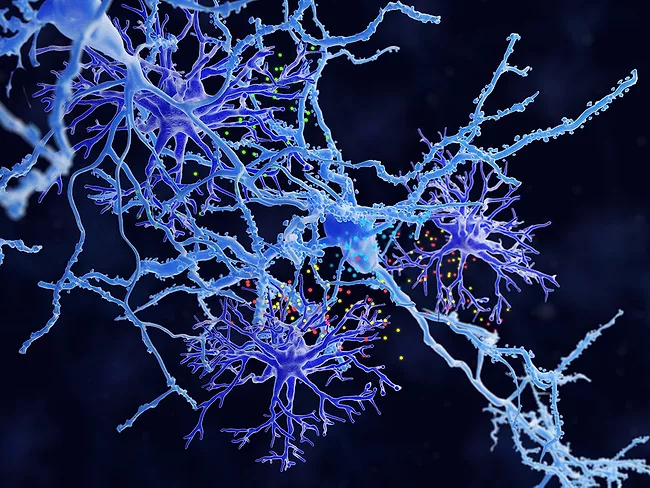
Chitinase-3-like protein 1 (CHI3L1) is a secretory glycoprotein from the glycoside involved in the regulation of immune and inflammatory responses. In the brain, CHI3L1 is primarily produced by activated astrocytes, where it is involved in inflammatory neurotoxicity, emerging as a potential biomarker of neuroinflammatory disorders, such as Alzheimer’s disease.
Rheumatoid arthritis is a chronic, systemic autoimmune disease characterized by systemic inflammation and progressive joint destruction. Current treatments include conventional disease-modifying antirheumatic drugs and biologics. However, long-term treatment is frequently associated with drug resistance and significant adverse effects.
Researchers from Peking University and the China-Japan Friendship Hospital have gained new insights into the role of triggering receptor expressed on myeloid cells-1 (TREM-1) in traumatic brain injury (TBI). Cerebral damage resulting from external mechanical impacts causes TBI, which is a leading cause of morbidity and mortality worldwide.
Colorectal cancer remains a prevalent and deadly form of cancer. A significant challenge to treating colorectal tumors is the creation of a suppressive tumor immune microenvironment that leads to tumor progression and resistance to immunotherapy.
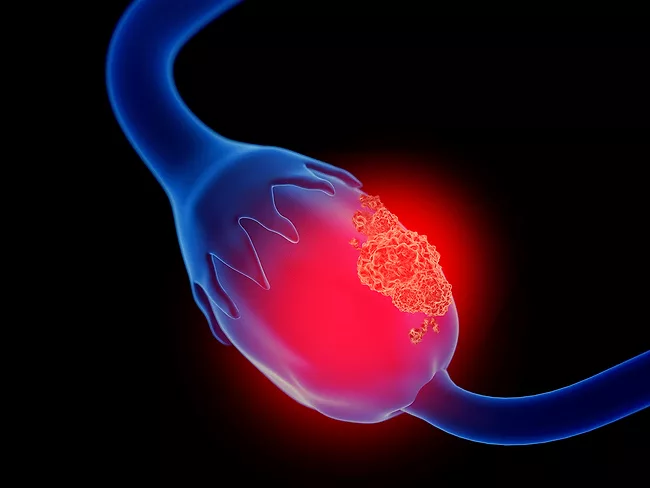
Cancer cells often use epigenetic changes to resist treatment, a major factor particularly in late-stage deaths from ovarian cancer. One potential epigenetic marker, DNA secondary structures known as G-quadruplexes (G4s), has recently gained attention; however, their presence and role in ovarian cancer had not been studied until now.
Immune evasion continues to limit the effectiveness of cancer immunotherapies. Among emerging regulatory molecules, transfer RNA-derived small RNAs (tsRNAs of 13-48 nucleotides), generated through tRNA cleavage, are gaining attention for their roles in controlling gene expression at both the transcriptional and translational levels. Recent research suggests that abnormal tsRNA expression is closely associated with the development and progression of colorectal cancer.
Colorectal cancer (CRC) accounts for 9.3% of cancer-related deaths worldwide. The levels of circulating immune cells in patients with CRC have been reported to undergo significant alterations, concretely in lymphocyte subsets.
Chronic obstructive pulmonary disease (COPD) is a respiratory disease characterized by chronic inflammation and structural damage to the alveoli, with irreversible declined lung function. M1 pro-inflammatory macrophages mainly participate in airway inflammation and in tissue destruction, and are involved in COPD, but the mechanisms need to be elucidated.
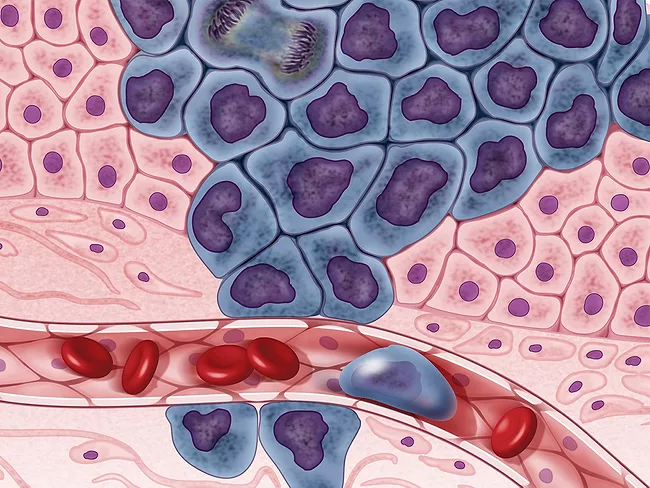
In the current landscape of cancer research, much attention is focused on the tumor microenvironment (TME) at both the primary site and established metastases. However, the early micrometastatic niche remains poorly understood. Researchers from the Hospital del Mar Research Institute (HMRI) have pinpointed T cell immunoglobulin and mucin domain 3 (TIM3) as a key vulnerability in tumor micrometastasis, revealing a new target to halt metastatic progression at its origin.
Splicing is a process necessary for the correct synthesis of proteins and an essential step in gene expression. An impaired minor splicing may lead to aberrant pre-mRNA transcripts and exon skipping, leading to premature stop codons and truncated synthesized proteins, resulting in severe consequences.