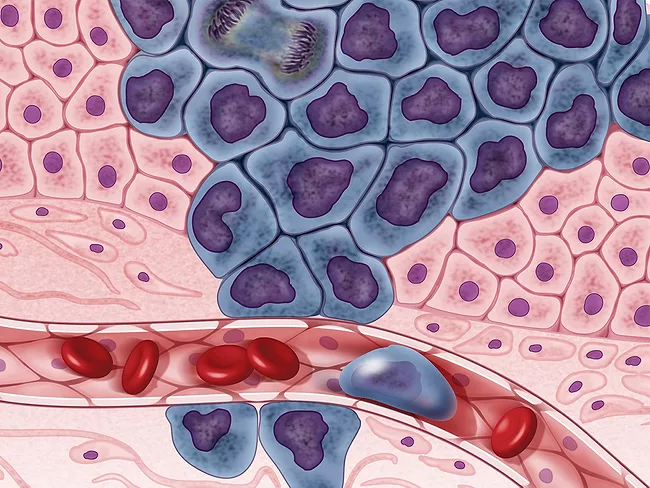
Pancreatic cancer still remains a highly lethal disease, with a 5-year survival rate of <10%. It is characterized by strong stromal activation leading to pro-tumorigenic extracellular matrix deposition. Recent findings in preclinical models have unveiled that targeting desmoplasia may improve chemotherapy efficacy and impede metastasis in pancreatic cancer.
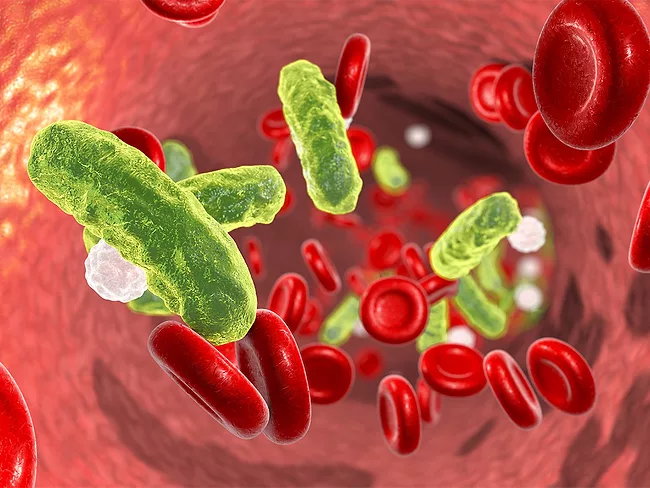
Cathepsin L (CTS-L) is a lysosomal enzyme responsible for degrading endocytosed proteins to generate immunogenic antigens for adaptive immunities. In the current study, researchers reported data from a study that aimed to assess the potential of targeting procathepsin L (pCTS-L) as a potential therapeutic strategy against sepsis.
Triple-negative breast cancer (TNBC) still remains as one of the most aggressive breast cancer types among women, with high metastatic potential and ability to shift towards epithelial-mesenchymal transition (EMT).
Infantile hemangioma (IH) is the most common benign vascular tumor seen in childhood. After an early proliferative phase in the first weeks of life, the majority of hemangiomas complete their growth and start to involute by approximately 12 months.
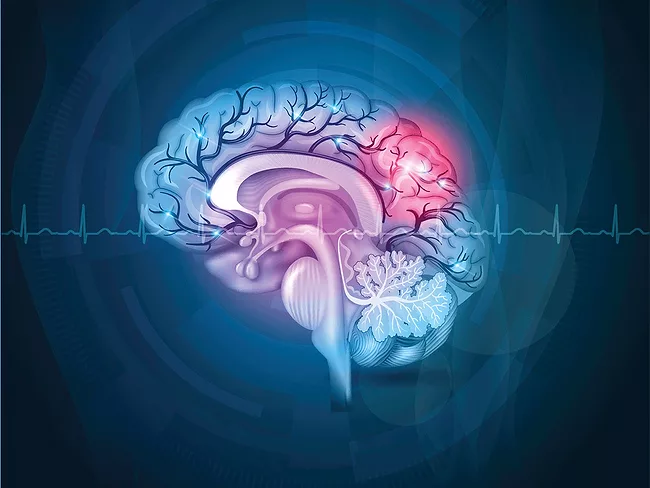
Anoctamins are a class of calcium-activated chloride ion channels, which have been recently implicated in cancer pathogenesis. Researchers from Telethon Kids Institute and the University of Western Australia aimed to characterize the expression of the anoctamin family in diffuse midline glioma (DMG).
Undiagnosed bleeding disorders put people at risk due to bleeding without an optimal treatment strategy. Spanish researchers from the Hospital Universitario La Paz and Universidad Autónoma de Madrid have focused on the targeting of tissue factor pathway inhibitor (TFPI) as a potential approach for this medical need by using TFPI blocker antibodies.
Obesity is an important cause of death worldwide, and it is defined as a body mass index >30 kg/m2. Genome-wide association studies have been successful at identifying genomic loci tied to obesity.
Spinal-bulbar muscular atrophy (SBMA), also called Kennedy disease, is an X-linked genetic disorder in which the loss of motor neurons affects the parts of the nervous system that control voluntary muscle movement.
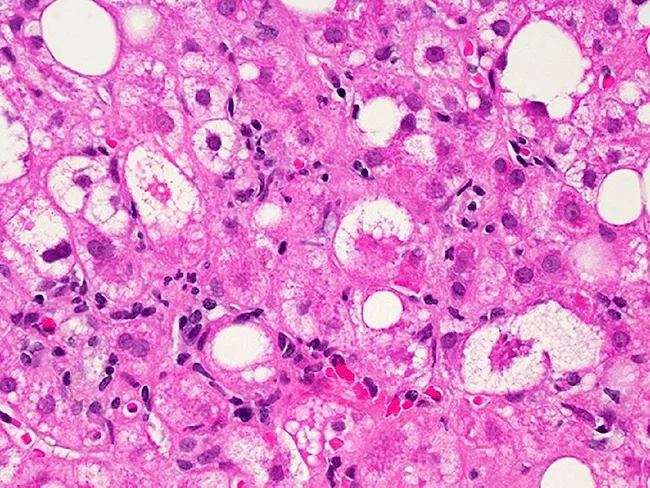
Insulin resistance in type 2 diabetes (T2DM) is associated with hepatosteatosis and the development of nonalcoholic fatty liver disease (NAFLD), with the pathogenesis of NAFLD being complex and involving the crosstalk between the liver and white adipose tissue (WAT).