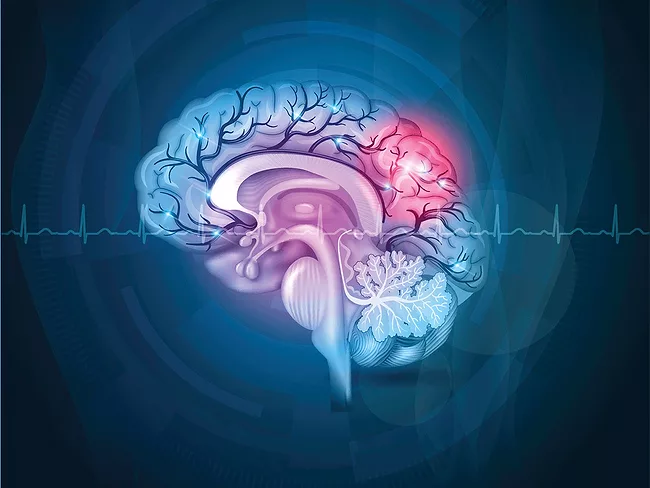
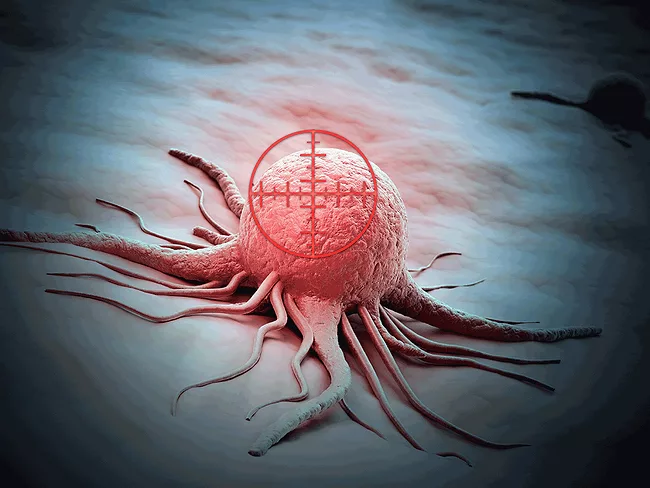
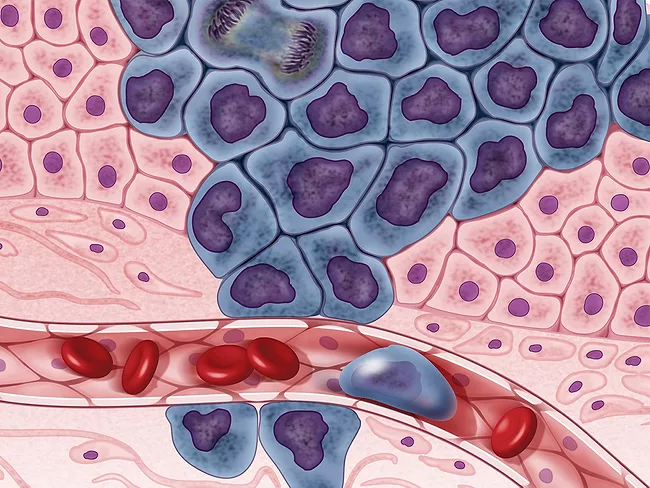
Previous research has suggested that neurons in multiple sclerosis (MS) exhibit metabolic exhaustion, believed to be caused by chronic hyperexcitability, which can lead to neurodegeneration. Researchers from Heidelberg University and affiliated organizations aimed to investigate the role of nodal Kv7 (outward rectifying) and perinodal oligodendroglial Kir4.1 (inward rectifying) channels as potential therapeutic targets for neuroprotection through balancing of neuronal excitability caused by inflammatory demyelination.
A ‘guilt by association’ study linking disease-associated proteins to proteins for which there was no evidence of any role in pathology, has identified groups of proteins interacting with genes that genome-wide association studies (GWAS) have previously implicated in 21 disease areas. Revealing these interactions has thrown up new drug targets.
Researchers from Yonsei University reported their findings from a study that aimed to investigate the mechanisms underlying aberrant actin remodeling in inflammatory bowel disease (IBD). Revision of public gene expression datasets of rectum biopsy samples from patients with IBD identified a subset of patients that exhibited substantially higher levels of tripartite motif-containing protein 40 (TRIM40), a gene that is epigenetically silenced under healthy conditions.
Ewing sarcoma has a poor prognosis, in part due to the small number of active natural killer (NK) cells and lack of specific tumor targeting. Interleukin 1 receptor accessory protein (IL1RAP) has been reported to be highly expressed in Ewing sarcoma cells but minimally expressed in normal tissues. Researchers have designed an NK cell-based CAR approach targeting ILRAP1 for the treatment of Ewing sarcoma.
Microglial cells (MGs) are resident immune cells in the brain, which play a key role in the acute response and chronic recovery to stroke. Investigators at the University of Texas Health Science Center Houston aimed to evaluate MG transcriptomic response to stroke in mouse brain.
In cancer cells that aberrantly express cystine transporter solute carrier family 7 member 11 (SLC7A11), high rates of cystine uptake and cystine reduction to cysteine occur. When combined with glucose starvation, this results in a massive accumulation of intracellular disulfide molecules and rapid cell death. However, the mechanisms underlying this type of cell death remain unclear.
Researchers from the Centro Nacional de Investigaciones Oncológicas aimed to identify pathways that contribute to the metabolic reprogramming ability of cancer cells upon resistance to ataxia-telangiectasia-mutated (ATM) inhibition. Metabolism-centered CRISPR screening identified Kelch-like ECH-associated protein 1 (KEAP1), which is an oxidative stress sensor that controls the Nrf2-regulated antioxidant pathway, as a key factor involved in desensitizing cancer cells to ATM inhibition.
While it is known that differentiated myofibroblasts produce excessive collagens, which accumulate in tissues and cause hardening, the mechanisms involved in these processes are largely unknown. In a recent study, Kyushu University scientists aimed to assess the molecular mechanisms by which matrix stiffness increases fibrosis-related gene expression in myofibroblasts.
The development of EGFR-targeted tyrosine kinase inhibitors (TKIs) over the past 20 years has modestly improved progression-free survival for patients with metastatic NSCLC. But many patients with EGFR mutations fail to respond to TKI treatments, and immune checkpoint inhibitors elicit a response in less than 10% of NSCLC patients.
Pancreatic cancer still remains a highly lethal disease, with a 5-year survival rate of <10%. It is characterized by strong stromal activation leading to pro-tumorigenic extracellular matrix deposition. Recent findings in preclinical models have unveiled that targeting desmoplasia may improve chemotherapy efficacy and impede metastasis in pancreatic cancer.