Researchers at The AIRC Institute of Molecular Oncology in Milan have discovered that the targetable enzyme phosphatidylinositol 5-phosphate 4-kinase type-2 β (PIP4K2B) participates in mechanosensing leading to changes in gene expression, nuclear morphology and cellular motility. The expression of PIP4K2B bodes a poor prognosis in cancer patients and PIP4K2B is the sole PIP4K isoform localized to the nucleus.
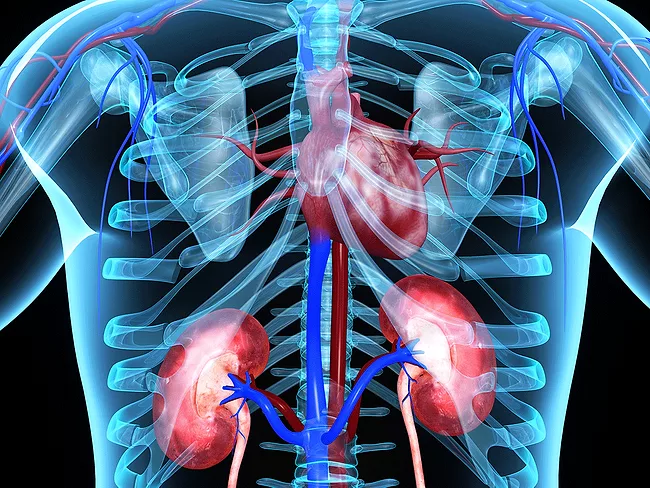
A recent study investigated the role of neuraminidase 1 (NEU1) in renal fibrosis. Researchers found increased levels of NEU1 in the fibrotic kidneys of patients and two mouse models of renal fibrosis (mice subjected to unilateral ureteral obstruction or administered folic acid).
C-type lectin receptor is a family of molecules consisting of several proteins that recognize a broad spectrum of ligands, such as immunoreceptor tyrosine-based activation motif (ITAM) and immunoreceptor tyrosine-based inhibitory motif (ITIM), and are known to regulate diverse immunological functions.
Protein-tyrosine phosphatase SHP-1 is a negative regulator of immune cell function and is broadly expressed in the hematopoietic compartment. Due to its role in immune cell signaling, SHP-1 may be explored as a target for tumor immunotherapy.
Protein tyrosine phosphatase 4A1 (PTP4A1) is known to promote tumor growth and migration of tumoral cells, but its role in the kidney has not been deeply explored. Researchers from Korea have aimed to investigate the role of PTP4A1 during kidney fibrosis and suggest it as a potential therapeutic target.
When tissue injury occurs, stressed cells release a bunch of intracellular molecules called damage-associated molecular pattern (DAMP) proteins. S100 calcium binding protein A9 (S100A9) is a DAMP usually found in macrophages and is involved in multiple inflammatory responses, such as activation of Toll-like receptor 4 (TLR4).
Kita-Kyushu lung cancer antigen-1 (KK-LC-1) is a member of the cancer/testis antigens (CTAs) protein family, which is family of proteins that are mainly expressed in tumors and testicular tissue, but they display low to no expression in other normal tissues.
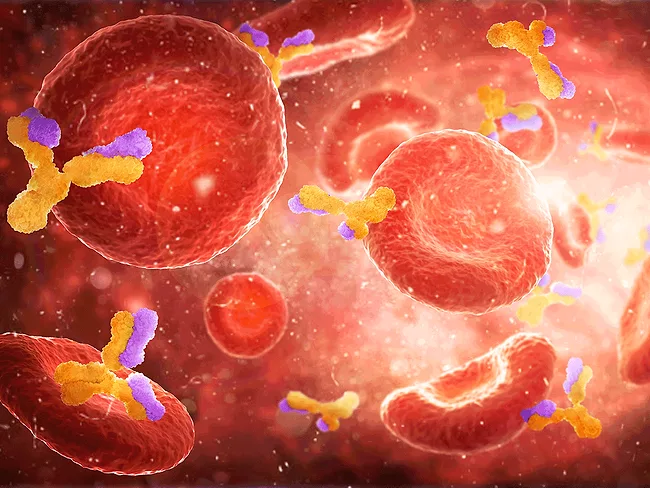
Systemic lupus erythematosus (SLE) is an autoimmune disease characterized by disrupted tolerance against nucleic acids, which form immune complexes with antibodies, finally leading to tissue damage. However, the mechanisms underlying the release of DNA from cells remain unexplained.