Estrogen receptor (ER)-positive breast cancer is among the most prevalent subtypes and is the cause of most of the mortality among breast cancer patients. Endocrine therapy is effective in these cases, but the development of resistance is a fact in many cases.
Men with advanced prostate cancer only have a 5-year survival rate of 28%, mainly due to resistance to therapy. Enolase-1 (ENO1), also known as α-enolase, is a glycolytic enzyme with promise as a target for treating neuroendocrine prostate cancer (NEPC) and an alternative to prostate-specific member antigen (PSMA) targeting.
Esophageal squamous cell carcinoma (ESCC) is a common malignant subtype of esophageal cancer that predominantly occurs in East Asian countries. Although genomic aberrations and highly mutated genes, such as TP53, have been identified in advanced stages, the first occurrence of mutations and their related effects during ESCC carcinogenesis remain poorly understood.
Bone remodeling involves a process of continuously cycling bone formation by osteoblasts balanced by resorption by osteoclasts. Development of osteoclast cells is initiated by RANKL and macrophage colony-stimulating factor (M-CSF) ligands leading to differentiation of bone marrow-derived monocytes (BMDMs) to generate osteoclast specified cells expressing TRAP, CTSK and MMP9.
Mutations in fms-related receptor tyrosine kinase 3 (FLT3) are related to the increase of reactive oxygen species (ROS) in acute myeloid leukemia (AML). Recent studies suggest that by regulating ROS production and antioxidant expression, oncogenes such as FLT3 directly influence leukemia progression, even during anticancer therapy.
It is known that in melanoma, transformed melanocytic cells acquire stem cell-like features; these cells have multilineage differentiation potential, thus allowing them to morph into cell states with neural crest cell (NCC)-like, epithelial-to-mesenchymal transition-like features, promoting its metastatic potential.
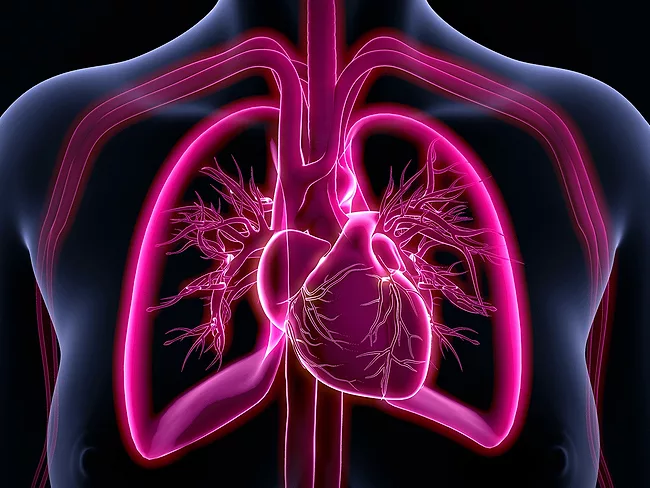
Studies in animal models and humans have identified an important role for peripheral chemoreceptors in the pathogenesis of heart failure. Thus, inhibiting their hyperactivity has been proposed as a potential therapeutic strategy for this major public health problem.
Tumor cells are known to produce high amounts of intracellular lipids, leading to increased levels of fatty acids, cholesterol and membrane phospholipids. Death domain-associated protein (DAXX) is a small ubiquitin-related modifier (SUMO)-binding protein that plays a role in transcription regulation by interacting with transcription factors such as p53 and NF-κB.
Acid sphingomyelinase (ASM) is a sphingolipid metabolizing enzyme that catalyzes the hydrolysis of sphingomyelin to ceramide. Previous studies revealed high activity of ASM in the blood and brain of old vs. young individuals or mice, and they implicated this enzyme in neurodegenerative disease pathology.
Researchers at The AIRC Institute of Molecular Oncology in Milan have discovered that the targetable enzyme phosphatidylinositol 5-phosphate 4-kinase type-2 β (PIP4K2B) participates in mechanosensing leading to changes in gene expression, nuclear morphology and cellular motility. The expression of PIP4K2B bodes a poor prognosis in cancer patients and PIP4K2B is the sole PIP4K isoform localized to the nucleus.