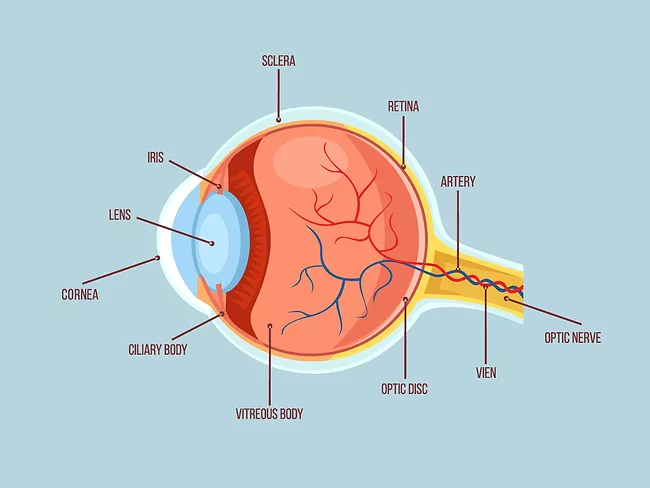
It has been previously demonstrated that IL-17A plays a proinflammatory role in autoimmune diseases, and it has also been reported that IL-17A may take part in the occurrence and development of neurodegenerative disorders. Due to its association with both immunomodulation and inflammation, in a recent study, researchers from Shanghai Jiao Tong University aimed to investigate the role of IL-17A in the pathological process of glaucoma neuropathy.
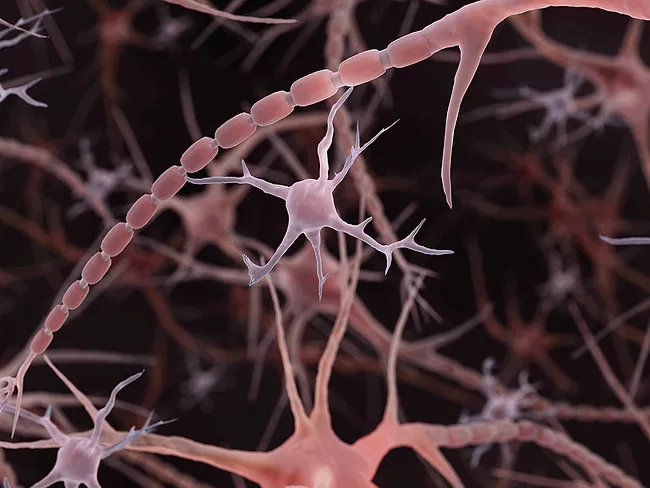
While microglia constitute the immune cells of the brain, their potential role in the early development of neuronal circuitry is poorly understood. Investigators at the Karolinska Institutet, together with eight other institutions, characterized an anatomically distinct microglial cell population identified as expressing the arginase-1 (ARG1) enzyme.
Treatment failure after repeated administration of cisplatin, one of the most used cancer chemotherapeutics, is due to either development of treatment resistance or chemotherapy-induced neuropathic pain.
Vascular smooth muscle cell (VSMC) activation plays a crucial role in the development of several vascular diseases, including intimal hyperplasia indicative of restenosis. Fragile X-related protein 1 (FXR1) is a muscle-enhanced RNA binding protein that has been proposed to regulate inflammation negatively and is overexpressed in injured arteries. However, the role of FXR1 in vascular disease remains unclear.
Renal medullary carcinoma (RMC) is characterized by the complete loss of the SMARCB1 tumor suppressor, and it predominantly affects individuals with sickle cell trait (SCT), characterized by increased sickling of red blood cells in the renal medulla. It has been previously demonstrated that RMC tumors show a hypoxia signature, and in a recent study, researchers from MD Anderson Cancer Center aimed to investigate the connection between SMARCB1 loss and hypoxia under the setting of SCT.
Researchers from Kyungpook National University presented data from a study that aimed to investigate the endogenous mechanisms involved in granule cell dispersion (GCD) and its role in epileptic seizures in temporal lobe epilepsy (TLE).
Distant metastasis and drug resistance are the main causes of colorectal cancer (CRC)-derived mortality. Identifying the underlying mechanisms driving metastasis is key for improving its therapy. Epithelial-to-mesenchymal transition (EMT) promotes the migration and invasion of tumor cells, allowing them to metastasize distant organs. Chinese researchers put the focus on dishevelled segment polarity protein 3 (DVL3) due to its involvement in the Wnt signaling pathway.
Symmetric dimethylarginine (SDMA) is one of the byproducts of protein methylation, and it has been previously identified as an independent cardiovascular risk factor in patients with chronic kidney disease. The majority of SDMA is excreted through renal tubules; however, its effect on kidney in pathological conditions is not fully understood. In a recent study, researchers from Shuguang Hospital aimed to investigate the role of SDMA in renal tubulointerstitial fibrosis.
Transcription factor SP1 is a member of the Kruppel-like factor that has been shown to be overexpressed in several cancer types, including cervical cancer, and is associated with poor prognosis when overexpressed; assessing the impact of SP1 on tumor progression in cervical cancer was the aim of a recently published study by Wenzhou Medical University investigators.
Researchers from Sun Yat-Sen Memorial Hospital and affiliated organizations published data from a study that aimed to explore the mechanism of prostate cancer (PCa) metastasis to discover an intrinsic biomarker for metastatic PCa (mPCa).