Duchenne muscular dystrophy (DMD) is an X-linked genetic disorder affecting roughly 1 in 3,500 males. DMD is due to mutations in the dystrophin gene, which encodes for an exceptionally large 427 kD protein. DMD is characterized by repeated degeneration and regeneration of muscle fibers, but ultimately replacement of muscle with fibrotic and adipose tissue. Despite advances in gene therapy and improvements in quality of life, most patients still die by 30 years of age due to cardiopulmonary failure.
Osteosarcomas (OS) are the most common malignant bone tumor. The disease originates within the fastest growing areas of the long bones of children and young adults, where the histologic hallmark of OS is malignant bone formation (osteoid). Improvements in treatments have proven difficult to date with metastatic OS remaining a bleak prognosis routinely leading to lung metastases to ultimately cause death.
Identification of the mechanisms of innate immune sensors is fundamental to the understanding of health and disease. The pattern recognition receptor (PRR) subfamily of nucleotide-binding oligomerization domain (NOD)-like receptors (NLRs) work by recognizing either pathogen-associated molecular patterns (PAMPs), endogenous damage-associated molecular patterns (DAMPs) or associated molecular...
Chronic kidney disease (CKD) is the 10th leading cause of death in the United States because of the increased risk for cardiovascular mortality. The major functional cell type of the kidney, tubular epithelial cells (TECs), possess a limited ability to regenerate tissues. Infections can cause proximal G2/M cell cycle arrest, senescence and paracrine secretion of the profibrotic cytokines transforming growth factor-β1 (TGF-β1) and connective tissue growth factor (CTGF), which stimulate extracellular matrix production ultimately leading to loss of the epithelial phenotype in TECs. Identification of targets controlling the G2/M cell cycle arrest in TECs may enable the development of therapeutics that can prevent CKD progression.
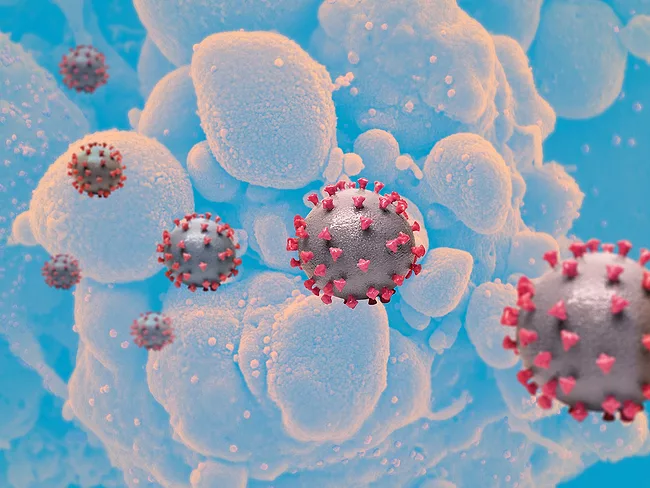
Having caused over 6.2 million deaths globally ongoing, the COVID-19 pandemic since 2020 continues to pose a serious public health challenge. While the SARS-CoV-2 receptors angiotensin-converting enzyme 2 (ACE2) and transmembrane protease serine 2 play requisite roles in permitting the initial infection, up to 10 proviral host factors have also been determined to play crucial roles in controlling the viral replication, but most are not pharmacologically targetable.
Gastric cancer (GC) is the fourth most common cause of cancer-related deaths, causing more than 750,000 deaths in 2020. Platinum-based 5-fluorouracil (5-FU) combinations improve survival times compared to surgery alone, but emergent treatment resistance limits long-term clinical benefits. Accordingly, there is an urgent need to develop alternative approaches to overcoming chemoresistance.
La Crosse virus (LACV) is one of the most common causes of arboviral encephalitis in children, which causes CNS damage owing to infection in children, but not adults. LACV pathology indicates significant breakdown of the blood-brain barrier, which is strengthened during developmental transition from child to adult.
Researchers from Xinhua Hospital have published data from a study that aimed to assess the role of CEBPG, an important regulator of tumor development, in the progression of ovarian cancer (OC).