Researchers have identified NIMA-related kinase 1 (NEK1) as a potential therapeutic target driving tumor growth. It was identified using Turbine Ltd.’s Simulated Cell platform when they simulated perturbations in the DNA damage response pathways. NEK1 is involved in DNA damage response, cell cycle and mitosis.
Researchers from Nanjing Medical University presented data from a study that aimed to investigate the role of amphiregulin (AREG) in activating intestinal fibroblasts and driving fibrogenesis.
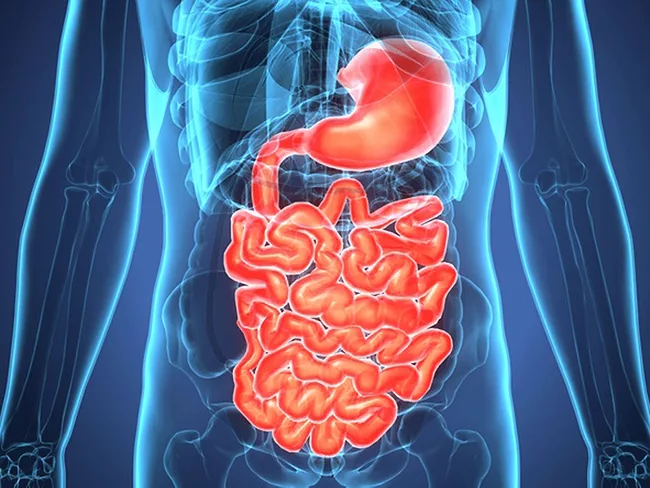
Researchers from Sitryx Therapeutics Ltd. and affiliated organizations presented data from a study that aimed to assess the potential of selective salt-inducible kinase 2 (SIK2) inhibition as a therapeutic strategy for the treatment of ulcerative colitis.
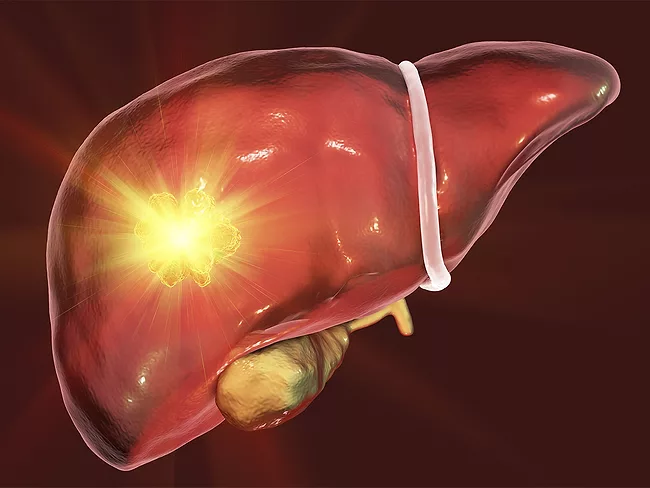
South China University of Technology and affiliated organizations have published data from a study that aimed to assess the role of the recently identified human hexokinase, hexokinase domain component 1 (HKDC1), in regulating tumor immune cell response in hepatocellular carcinoma (HCC).
Several metabolic alterations, including a preferential use of aerobic glycolysis, facilitate autonomous proliferation and survival of tumor cells. Although previous research suggested that active glycolysis in tumor cells is closely linked to genetic alterations, the underlying regulatory mechanisms remained unknown.
A team at the Institute of Cellular Biology and Pathology ‘Nicolae Simionescu’ of Romanian Academy aimed to assess the effects of targeted siRNA for AP-1 silencing on restoring structural...
MYC oncogene is known to be amplified in 5% to 10% and overexpressed in 20% of clear cell renal cell carcinoma (ccRCC), conferring aggressiveness. Researchers have now found...
Since oxaliplatin is currently one of the most effective chemotherapeutic drugs used in the treatment of colorectal cancer (CRC), resistance to oxaliplatin usually leads to therapeutic failure and poor prognosis in CRC patients. A team at The Sixth Affiliated Hospital - Sun Yat-sen University aimed to investigate the mechanisms of metabolic reprogramming in oxaliplatin resistance in CRC.
In a recent study, scientists from Medical University of South Carolina aimed to evaluate whether immunogenic cell death (ICD) can trigger resistance to anticancer therapies and explore potential therapeutic opportunities to revive ICD and restore drug sensitivity.