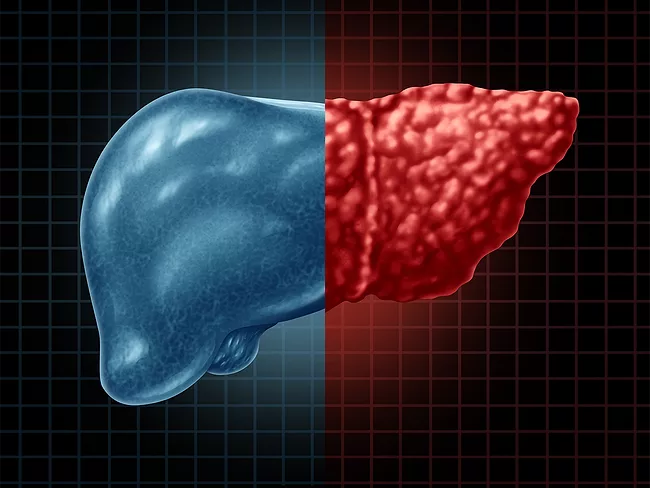
Metabolic dysfunction-associated steatotic liver disease (MASLD), formerly known as nonalcoholic fatty liver disease (NAFLD), is characterized by accumulation of triglycerides (TGs) in liver hepatocytes, and which can progress into chronic liver disease or even hepatocellular carcinoma.
Early steps in cancer development are closely linked to fibroblast senescence and their transformation into tumor-promoting cancer-associated fibroblasts (CAFs).
Stroke is the main neurologic cause of global morbidity and mortality with a global prevalence of more than 100 million last year. Under neuropathological conditions such as excitotoxicity associated with stroke, the pro-glycolytic enzyme 6-phosphofructo-2-kinase/fructose-2,6-bisphosphatase-3 (PFKFB3) enhances glucose consumption which leads to redox stress and apoptotic neuronal death.
Researchers from Sun Yat-Sen University and MD Anderson Cancer Center have compared the proteins secreted by hepatocellular carcinoma (HCC) cells in responders and nonresponders to the anti-PD-1 antibody nivolumab.
Myc proto-oncogene protein (MYC) is a transcription factor that can modulate the transcription of several genes, and its overexpression has been found in many cancer types, including hepatocellular carcinoma (HCC). Its inhibition reverses tumorigenesis in vivo and it is a key therapeutic target in cancer. Stanford University scientists used CRISPR screening assays to identify several genes as downstream targets of MYC, including exportin-1 (XPO1), among others.
Second Affiliated Hospital of Wenzhou Medical University investigators have assessed the functions of FBXO28 on proliferation, migration and invasion in ovarian cancer.
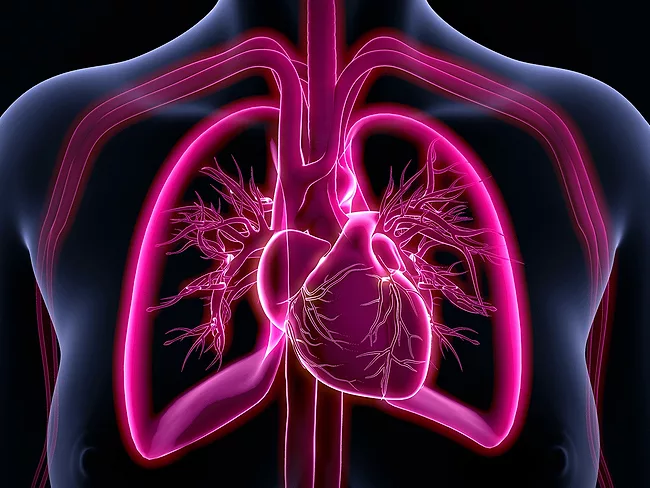
Researchers at the Spanish National Center for Cardiovascular Research (CNIC) have identified a new target that may open new avenues into pulmonary hypertension (PH) treatment. Their findings were published in Science Advances on Jan. 19, 2024.
Neutrophils are the immune system’s most abundant effector cells, which play a defensive role of host cells and clear pathogens by phagocytosis, degranulation and neutrophil extracellular trap (NET) release.
Radiation therapy resistance (radioresistance) is a key contributor to the failure of rectal cancer treatment, with immunosuppression playing a significant role here.