Chronic kidney disease (CKD) during diabetes may manifest several phenotypes, including diabetic nephropathy (DN), nondiabetic renal disease (NDRD) or a mixed form.
Lung adenocarcinoma (LUAD) is a subtype of non-small-cell lung cancer (NSCLC) that represents around 40% of all lung tumors. Despite therapeutic advancements, LUAD remains a leading cause of cancer-related death worldwide. Previous research found that ferredoxin-1 (FDX1) dysregulation plays a role in LUAD progression. FDX1 is a crucial regulator of copper homeostasis and cuproptosis, a regulated form of cell death triggered by excessive copper levels.
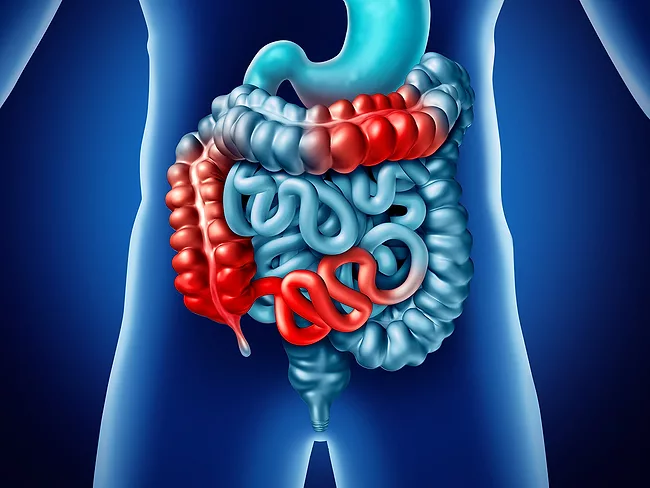
Researchers from Shanghai Jiao Tong University presented findings from a study that aimed to assess the metabolic landscape of intestinal fibrosis in Crohn’s disease.
Acute respiratory distress syndrome (ARDS) is a multifactorial disease, the pathogenesis of which involves environmental exposure and genetic predisposition.
Researchers from Duke University presented findings from a study that aimed to assess the physiological role of Piezo1, a mechano-gated ion channel that is highly expressed in pancreatic acinar cells, in the exocrine pancreas.
Researchers from Tulane University identified NOX4, a ROS-generating enzyme, in epithelium near fibrotic foci in tissue biopsies of patients with IPF and linked its expression to epithelial cells senescence and persistence of aberrant transitional state leading to pulmonary fibrosis.
The potential of psychedelic substances such as lysergic acid diethylamide (LSD) and psilocybin in treating various neuropsychiatric disorders has received increased attention in recent times. These compounds are believed to exert their effects through the serotonin 5-HT2A receptor.
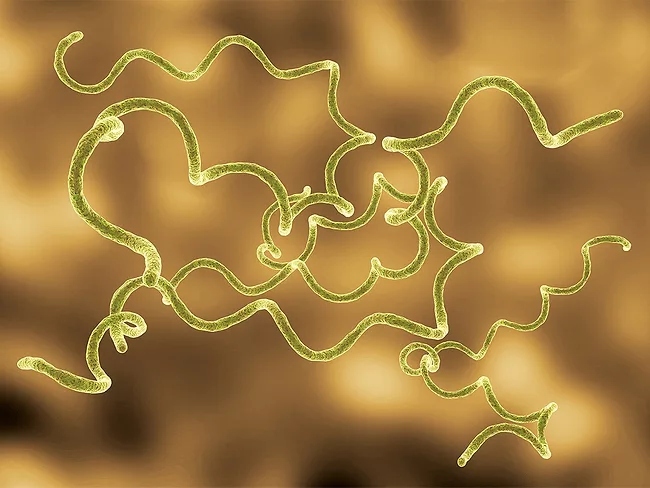
Researchers from Purdue University and the National Institutes of Health (NIH) have identified a potential target for treating Lyme disease, a prevalent tick-borne illness of increasing concern worldwide. Current treatment for Lyme disease is based on long-term administration of broad-spectrum antibiotics, with significant costs and impact on patients’ quality of life.
Researchers from Uppsala University published data from a study that aimed to reveal and validate cancer vulnerabilities to immune checkpoint blockade (ICB) therapy in triple-negative breast cancer (TNBC). A human Tumor-Immune co-Culture System (TICS), which consisted of primary human lymphocytes from healthy blood donors co-cultured with human cancer cells, was optimized to perform mechanistic investigation of clinically approved ICB drugs.