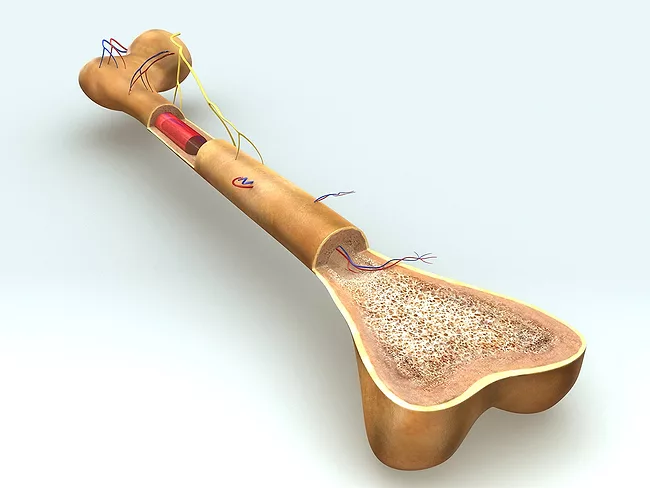
Osteogenesis imperfecta (OI) is characterized by low bone mass, with increased risk of bone fracture due to mutations in certain genes encoding type I collagen, such as COL1A1 and COL1A2.
Researchers from The University of Tokyo and affiliated organizations sought to identify molecules within AML cells that suppress NK cell activity, and as such, fully harness the antileukemic functions of NK cells.
G protein-coupled receptor 183 (GPR183) is a recently identified G protein-coupled receptor (GPCR) for oxysterols and hydroxylated metabolites of cholesterol, which plays multiple roles in lipid metabolism and immune responses.
Cancer immunotherapy based on programmed death 1 ligand 1 (PD-L1) has made huge steps toward overcoming cancer, but many patients still experience poor response to anti-PD-L1 therapy or do not have a durable response.
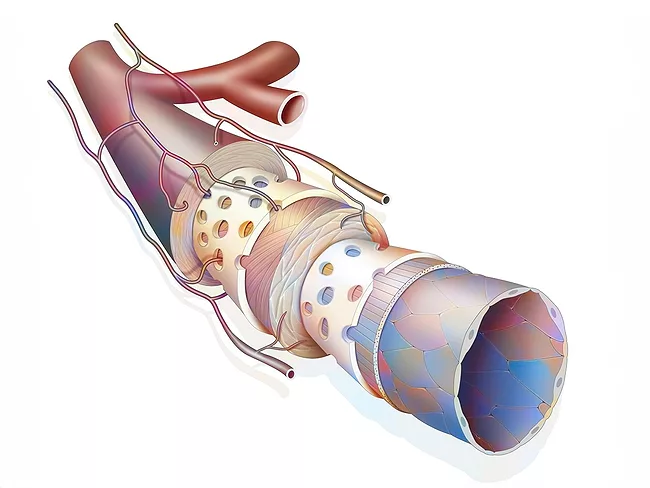
Researchers from the National University of Singapore and affiliated organizations presented data from a study that investigated the potential of targeting chondroitin sulfate (CS) synthesis as a therapeutic strategy for ameliorating hyperplastic arterial remodeling.
Scientists from Wuhan University and affiliated organizations have published findings from their investigation into the role of Yes-associated protein (YAP), which is a critical effector of the Hippo pathway, in anaplastic thyroid carcinoma.
Tumor protein p73 (TP73) has been commonly tagged as a putative tumor suppressor, but it may positively regulate the growth and stemness of cancer stem cells.
Transient receptor potential canonical (TRPC) channels are known to play a key role in regulating nervous system excitability and they have been previously implicated in seizure development.
The brain is a vulnerable organ that is compromised in the absence of energy production. Reduced fuel delivery to the brain correlates with aging and is an early predictor of potential neurological dysfunction, such as what occurs in Parkinson’s disease.
The mechanisms contributing to prostate cancer progression are still incompletely understood. There has been increasing attention on myosin heavy chain 6 (MYH6) for its involvement in cellular processes beyond the heart.