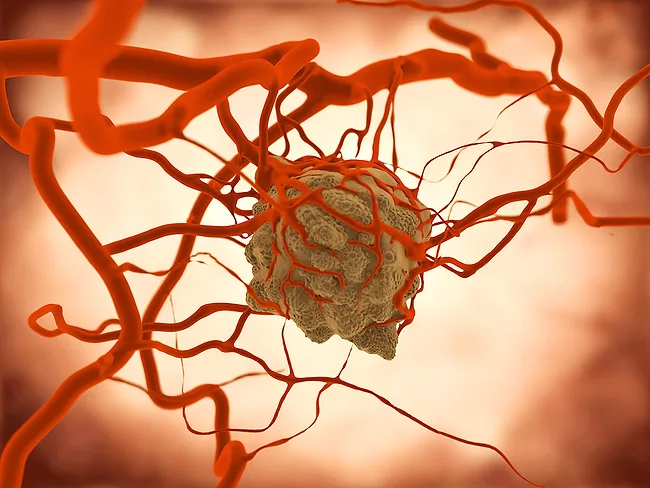
Researchers from Washington University School of Medicine performed studies to assess the role of ZBTB46, a repressive transcription factor and a marker for classical dendritic cells (DCs), in tumor angiogenesis.
Most patients with gastric cancer are diagnosed in advanced stages of the disease. Target identification and unveiling the molecular mechanisms behind it are crucial for this field.
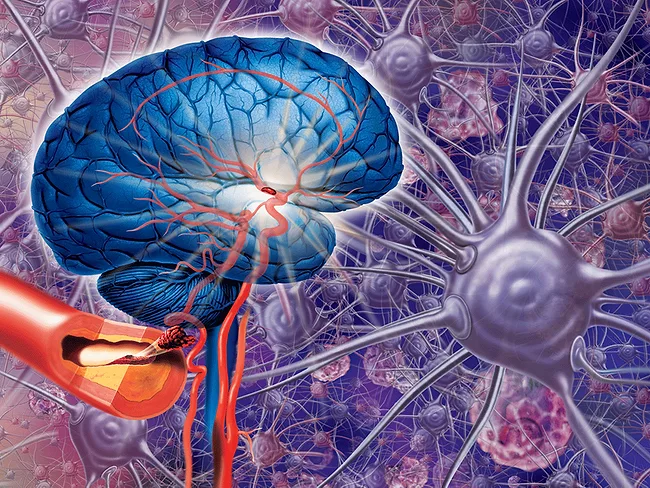
Researchers from University of Bristol and affiliated organizations performed studies to identify new risk factors that would predict future cardiovascular events after an incident stroke.
Recent studies have shown that up-regulation of peroxisome proliferator-activated receptor γ coactivator-1α (PGC-1α) was able to induce fetal hemoglobin synthesis in human primary erythroblasts.
In mammals, the disruptor of telomeric silencing 1-like (DOT1L) is the only methyltransferase that catalyzes the mono-, di- and tri-methylation of histone H3 at lysine 79 (H3K79). The DOT1L/H3K79me is involved in several relevant physiological and pathological mechanisms, including several viral infections.
The activation of hepatic stellate cells (HSCs) is a key process in the pathogenesis of liver fibrosis, but the molecular mechanisms behind it are not fully understood. By combining the analysis of differentially expressed gene screening of HSC transcriptome and weighted gene coexpression network analysis of liver tissue, researchers searched for transcription factors involved in liver fibrosis.
G protein-coupled receptor kinase 2 (GRK2) is a crucial kinase that has been shown to interact with multiple signaling molecules under different pathological conditions, including fibrosis.
Colorectal cancer (CRC) is rated as the second most deadly cancer after lung cancer. Identifying new mechanisms responsible for CRC pathogenesis is crucial for the development of new therapies.
Prior work has unveiled increased levels of inosine monophosphate dehydrogenase 2 (IMPDH2) expression correlating with tumor progression and poor prognosis in several diseases. A team of researchers in China have now aimed to study IMPDH2’s role in hepatoblastoma.