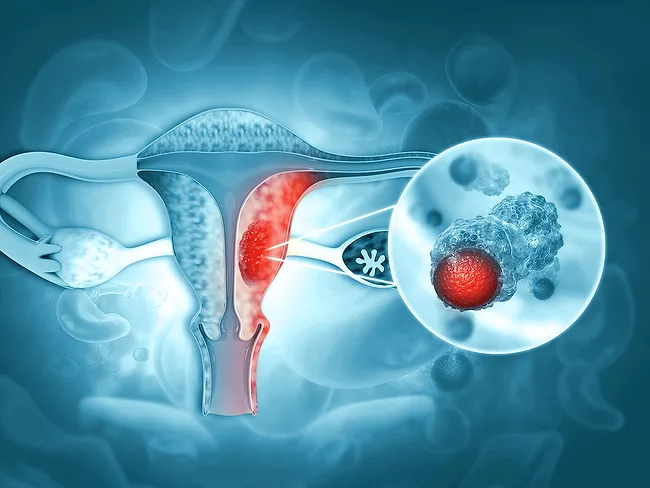
Endometrial cancer (EC) accounts for 20% to 30% of most malignant tumors of the female reproductive system, making it one of the most common. Furthermore, the 5-year survival rate of patients with early-stage EC is 90%, but this number decreases to 20% in late-stage disease.
Zic family member 4 (ZIC4) is a tumor suppressive transcription factor that is epigenetically silenced in many types of cancers. In the current study, researchers from Children's Cancer Hospital Egypt (CCHE) and affiliated organizations investigated the epigenetic regulation function of ZIC4 in pediatric choroid plexus tumors (CPTs).
Uveitis is a disease involving the eye, affecting the iris, ciliary body, retina and their associated blood vessels, among others. The non-infectious type of uveitis is linked to immune-related factors and its pathogenesis remains poorly understood.
Previous research has demonstrated that patients treated with the second-generation antipsychotic olanzapine (OLA) have metabolic dysfunctions and insulin resistance. Researchers from Instituto de Investigaciones Biomedicas “Alberto Sols” and collaborators investigated the impact of intraperitoneal (i.p.) OLA treatment on peripheral insulin sensitivity as well as potential effects of inhibiting the protein tyrosine phosphatase 1B (PTP1B), a negative regulator of insulin signaling.
Researchers from Imperial College London presented data from a study that aimed to assess the role of miR-1271-5p in prostate cancer (PCa) progression.
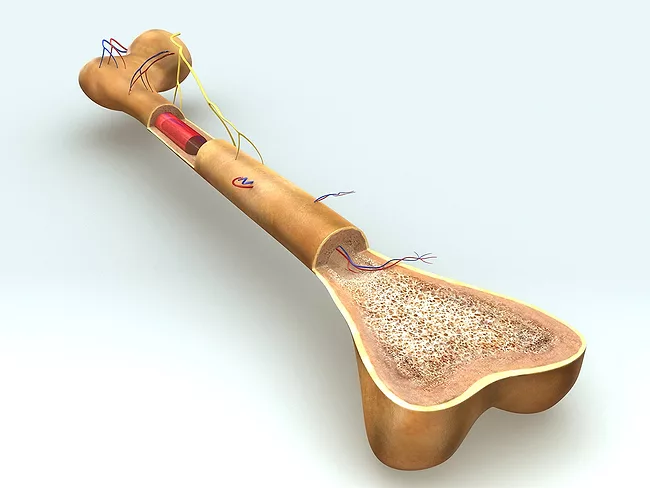
Osteogenesis imperfecta (OI) is characterized by low bone mass, with increased risk of bone fracture due to mutations in certain genes encoding type I collagen, such as COL1A1 and COL1A2.
Researchers from The University of Tokyo and affiliated organizations sought to identify molecules within AML cells that suppress NK cell activity, and as such, fully harness the antileukemic functions of NK cells.
G protein-coupled receptor 183 (GPR183) is a recently identified G protein-coupled receptor (GPCR) for oxysterols and hydroxylated metabolites of cholesterol, which plays multiple roles in lipid metabolism and immune responses.
Cancer immunotherapy based on programmed death 1 ligand 1 (PD-L1) has made huge steps toward overcoming cancer, but many patients still experience poor response to anti-PD-L1 therapy or do not have a durable response.