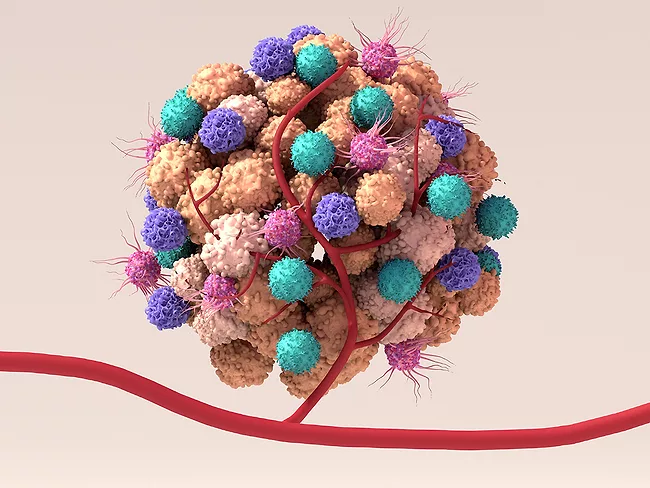
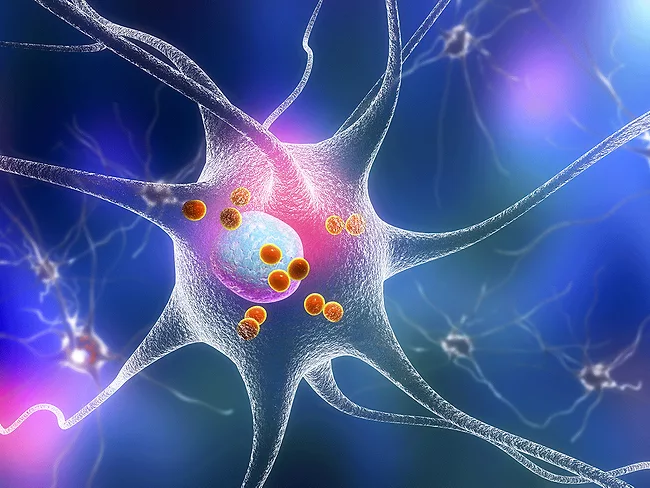
Ubiquitin-specific proteases (USPs) play a crucial role in tumor progression, regulating the stability or functions of specific substrate proteins. USP33 expression is altered in several types of cancer, including ovarian cancer, pancreatic cancer and glioma.
Prostatic-specific antigen (PSA) is commonly used as a screening tool for prostate cancer but presents limited sensitivity and specificity. Therefore, research efforts are focused on searching for novel noninvasive diagnostic biomarkers.
Researchers from the Children's Hospital of Philadelphia presented data from a study that aimed to identify novel biologically relevant cell surface immunotherapeutic targets for neuroblastoma.
Bladder cancer is a challenging disease that poses significant risks to patients, often leading to a grim prognosis. Recent research has brought attention to chaperonin-containing tailless complex polypeptide 1 subunit 3 (CCT3), identified as an oncogene in multiple tumor types. However, its specific role in bladder cancer remains largely unexplored.
Recent findings have unveiled that 15-HETE is the endogenous agonist for G protein-coupled receptor 39 (GPR39) in vascular smooth cells, so researchers hypothesized that GPR39 could work as a therapeutic target in pulmonary arterial hypertension and its deletion might prevent the development of the disease.
Tumor cell survival is dependent on phosphate homeostasis, which requires high amounts of energy. Researchers have demonstrated that the silencing of xenotropic and polytropic retrovirus receptor 1 (XPR1) led to reduced tumor growth in an ovarian cancer cell line xenograft, and similar vulnerability was found in lung cancer.
Scientists at Gachon University and their collaborators investigated the neuroprotective effects of the GPR40 agonist TUG-469 in models of Parkinson’s disease (PD).
Previous studies reported that cellular communication network factor 1 (CCN1) is overexpressed in the endothelial cells and synovial tissue of patients with rheumatoid arthritis (RA). French researchers have now investigated the effects of inhibiting CCN1 in two murine models of RA with the aim of proposing CCN1 as a potential therapeutic target in RA.