One of the proteins required for centrosome clustering is kinesin family member C1 (KIFC1/HSET), and modulation of KIFC1 stability could reduce its activity in cancer cells.
Researchers from Shenzhen University have evaluated the potential antiallergic effects of the histone acetyltransferase KAT6A inhibitor WM-1119 on IgE-mediated mast cell activation and allergic inflammation.
Forkhead box protein L2 (FOXL2) is a protein involved in ovary development and maintenance, among other functions. Mutations in its gene are involved in ovarian failure and granulosa cell tumors, being the latter a rare cancer type caused in most cases by the C134W mutation (c.402C>G) in the FOXL2 gene. By using CRISPR/Cas9 technology, researchers from Spain have aimed to remove this mutation in the FOLX2 gene from granulosa tumor cells.
A group of researchers in China have looked into the role of apolipoprotein B100 (ApoB100) in ovarian cancer following reports of excessive levels of ApoB100 inducing endoplasmic reticulum stress and cell death in liver cancer and of a positive correlation between ApoB100 levels and survival time of patients with high-grade epithelial ovarian cancer.
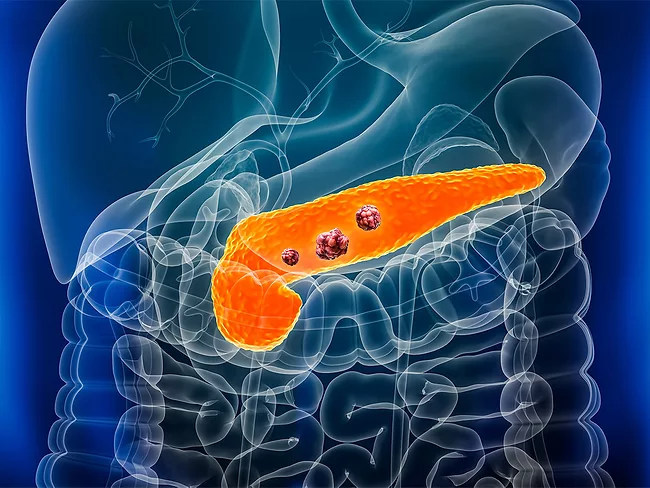
Intercellular communication between tumor cells and cancer-associated fibroblasts (CAFs) plays a key role in tumorigenesis and progression, and CAFs generate an extracellular matrix that provides a repository for factors that promote cancer progression. Alpha Beta Therapeutics Inc. researchers aimed to investigate the mechanisms by which CAFs facilitate tumor initiation and tumorigenesis of pancreatic cancer.
Myocardial fibrosis is a key process for heart failure development that may lead to severe phenotypes, including cardiac arrest or sudden death. Vasorin (VASN) is a protein with high expression in the cardiovascular system and its upregulation had been found to protect smooth muscle cells from calcification.
It was hypothesized that the crosstalk between Toll-like receptors, especially Toll-like receptor 4 (TLR4), and serotonergic machinery during inflammation may be an important factor for understanding the neuroimmune mechanisms participating in inflammatory bowel disease pathogenesis.
Researchers from Columbia University Irving Medical Center published data from a study that assessed GiGA1, a selective G protein-gated inwardly rectifying potassium channel (GIRK) activator, in physiologically and clinically relevant ex vivo mouse models of tumor-associated and provoked seizures.
Researchers from Sun Yat-Sen University and affiliated organizations presented data from a study that aimed to investigate mechanisms by which the CXC chemokine receptor 3 (CXCR3) antagonist, AMG-487, acts on autoimmune uveitis.