Ischemic stroke is a fatal condition caused by an arterial embolism that blocks the blood flow through the cerebral artery, frequently being a cause of mortality and disability. Fibroblast growth factor 21 (FGF21) is likely the only member of the FGF family that may cross the blood-brain barrier. Among its functions, inflammatory regulation, energy metabolism, vascular homeostasis, oxidative stress and tissue repair can be highlighted.
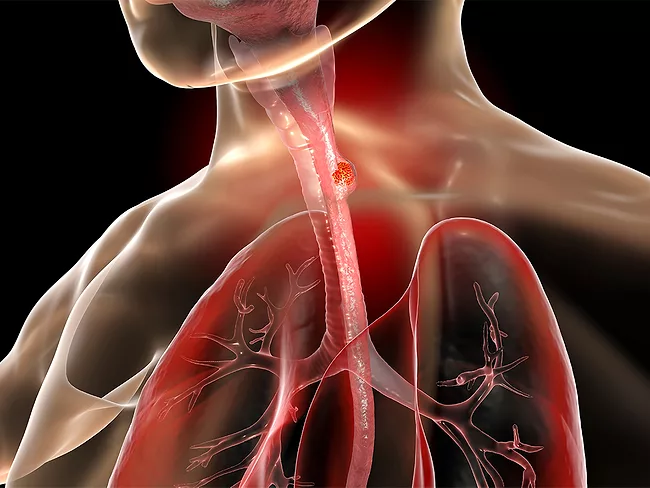
Esophageal cancer, particularly esophageal squamous cell carcinoma (ESCC), is one of the most prevalent digestive malignancies, with a 5-year survival rate of only 20%. Although some cancer immunotherapies based on immune checkpoint inhibitors (ICIs) have shown promise for ESCC, only a minority of patients actually benefit from ICI therapy.
Endocannabinoids are lipid mediators that interact with G protein-coupled receptors, including cannabinoid CB2 receptor (CB2R), which is mainly expressed in peripheral tissues with immune functions.
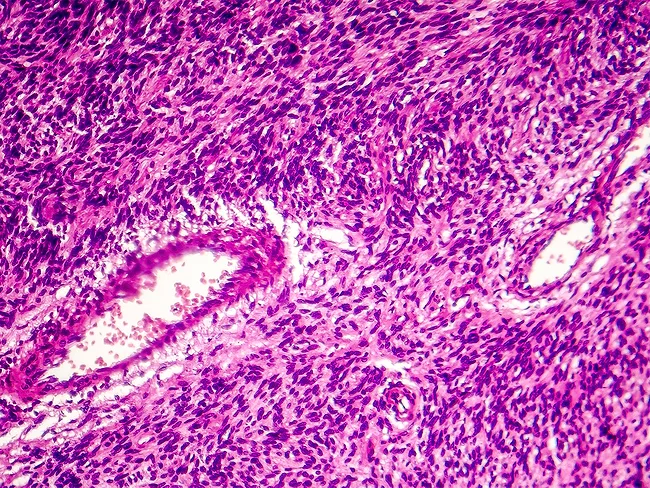
Sarcomas are generally classified into soft tissue sarcomas, such as fibrosarcoma, and bone sarcomas such as chondrosarcoma, which are rare cancers in adults accounting for about 1% of all cancer diagnoses, while in children the rate goes up to 20% of all cancer cases.
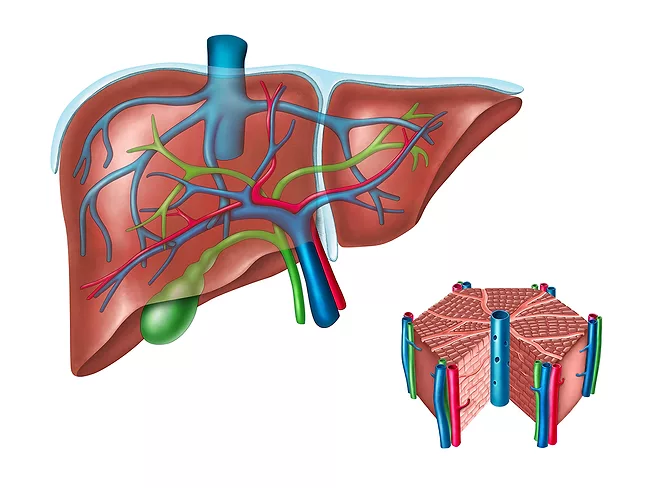
Cholangiocarcinoma includes several biliary malignant tumors that have poor prognosis. Post-translational modifications in proteins lead to abnormal protein dynamics and disturbances that may cause pathology.
Merkel cell carcinoma (MCC) is an aggressive neuroendocrine skin cancer with a high mortality rate and characterized by frequent local recurrences and metastases. To identify compounds that could be repurposed to treat MCC, National Institutes of Health (NIH) researchers performed a high-throughput cell viability screen of 3,908 small molecules.
Esophageal cancer, particularly esophageal squamous cell carcinoma (ESCC), is one of the most prevalent digestive malignancies, with a 5-year survival rate of only 20%. Although some cancer immunotherapies based on immune checkpoint inhibitors (ICIs) have shown promise for ESCC, only a minority of patients actually benefit from ICI therapy.
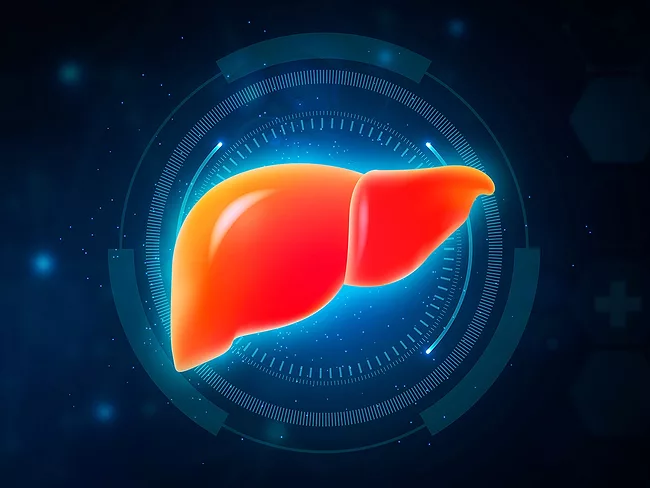
Human antigen R (HuR) controls the stability and translation of several transcripts that are key for metabolism, inflammation and cancer, including TNF-α or MYC. Previous findings have shown the pro-tumorigenic role of HuR in hepatocellular carcinoma (HCC), and its inhibition to be involved in metabolic dysfunction-associated steatohepatitis (MASH).
Researchers from Universitatsklinikum Heidelberg presented data from a study that investigated the role of strawberry notch homolog 1 (SBNO1) in the development of hepatocellular carcinoma (HCC) and cholangiocarcinoma (CCA).