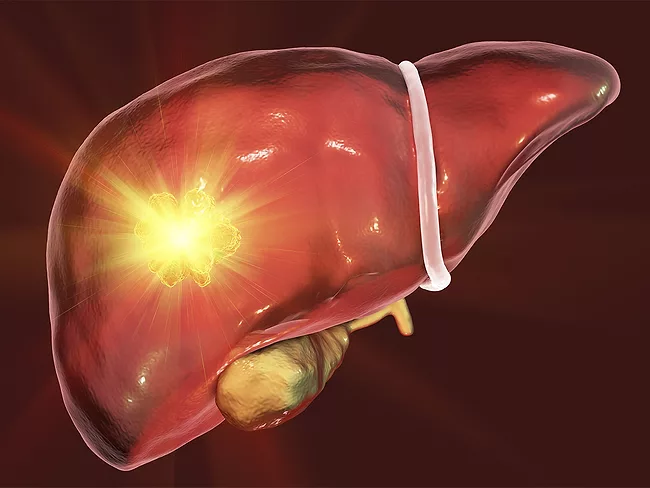
Hepatoblastoma is a form of liver cancer affecting children and for which the current treatment option available is surgical resection followed by chemotherapy based on cisplatin or doxorubicin. Its prognosis is still poor, and the recurrence rate is high. Neddylation is a biological process that has been well studied for its role in cancer biology; Spanish researchers have hypothesized that neddylation may play a significant role in the development and progression of hepatoblastoma.
Resident immune cells, including type 2 innate lymphoid cells (ILC2s), play a key role in adipose tissue homeostasis. Researchers from Sungkyunkwan University and affiliated organizations evaluated the impact of ILC2s on systemic metabolic regulation in obesity.
Protein palmitoylation is a post-translational modification catalyzed by a series of enzymes called zinc finger DHHC (ZDHHC) palmitoyltransferases. Scientists from Guangzhou Medical University and affiliated organizations aimed to assess the function of protein palmitoylation in renal fibrosis, a common pathway leading to end-stage chronic kidney disease.
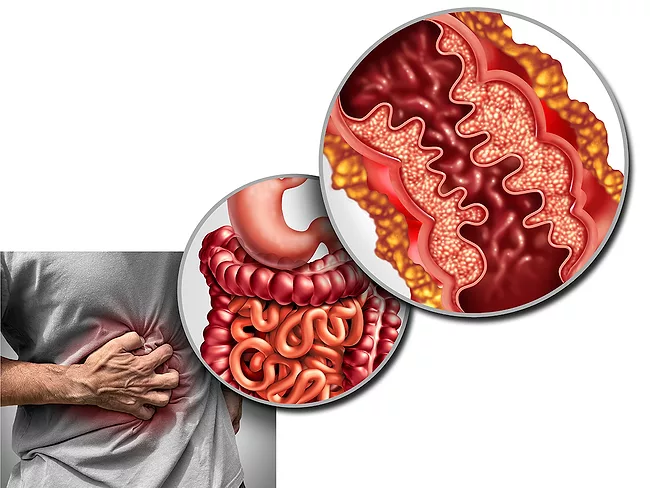
Investigating the relationship between IL-1 and inflammation in inflammatory bowel disease (IBD), researchers unveiled mesenchyme homeobox 1 (MEOX1), an IL-1-dependent transcription factor that is known to regulate fibrosis in cardiac ischemia that is tied to IBD ulcers and positively expressed in ACKR1+ ECs.
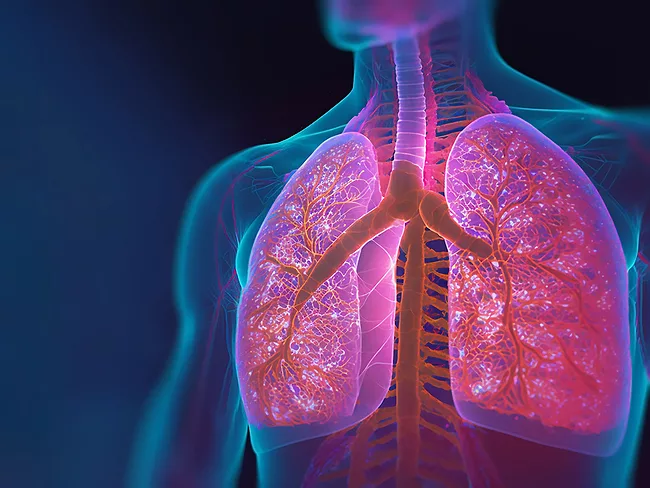
Researchers from Columbia University Irving Medical Center and collaborators applied unbiased scRNA-seq to study Lepr expression in lung mesenchymal cells. To do that, they used a Lepr(creERT2) mouse model tracing LEPR+ alveolar fibroblasts during neonatal alveologenesis.
Anterior gradient 2 (AGR2) is a protein located in the endoplasmic reticulum involved in protein folding and when stressed, it is secreted into the extracellular space and it attracts monocytes, activates fibroblasts and disrupts the epithelial integrity. The relationship between the expression of AGR2 in tissues from patients with inflammatory bowel disease (IBD) was investigated, as well as the efficacy of an anti-AGR2 antibody in murine models of colon inflammation and fibrosis.
Pulmonary hypertension, despite advances in treatment, still has a poor prognosis, which is often associated with right heart failure, and for which pulmonary arterial hypertension (PAH) is a severe form. There is an urgent need to unravel the molecular mechanisms behind PAH and identify new targets, especially those involved in the remodeling process. The proliferation and resistance to apoptosis of pulmonary artery smooth muscle cells are key contributors to pulmonary vascular remodeling in PAH.
Researchers from Morphic Therapeutic Inc. and affiliated organizations published data from a study that aimed to assess the potential of using arginylglycylaspartic acid (RGD) integrins for the treatment of cardiovascular diseases, such as pulmonary arterial hypertension (PAH).
Cystic fibrosis is a life-threatening disease predominantly with respiratory symptoms. Most of the subjects with the disease harbor the F508del variant in the CFTR gene that causes the protein to misfold and be prematurely degraded. Despite approved drugs that restore the CFTR protein, the maximal lung function improvement is approximately 14%.
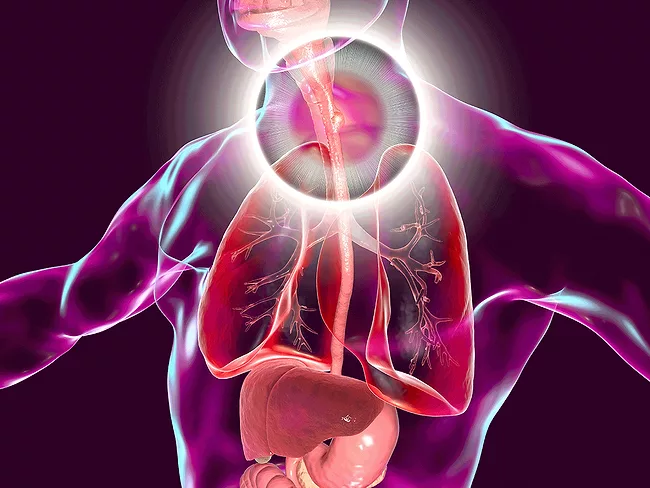
Researchers from Zhengzhou University and affiliated organizations published data from a study that aimed to assess the expression levels of histone modifier enzymes in esophageal squamous cell carcinoma (ESCC).