Esophageal cancer accounts for the sixth leading cause of cancer-related deaths worldwide. The clinical efficacy of therapies for esophageal squamous-cell carcinoma (ESCC) remain limited due to drug resistance and side effects. There is an urgent need to identify new therapeutic targets to shed light on its pathogenesis.
Some deubiquitinating enzymes may help protect against cancer, but others appear to promote it. Researchers from the First Affiliated Hospital of Zhejiang University have discovered that the deubiquitinator PSMD14 helps drive bladder cancer, and they have defined at least one signaling pathway through which it works, opening up possibilities for development of new treatments.
Individuals with cystic fibrosis show a notably higher rate of attention deficit hyperactivity disorder (ADHD) symptoms than the general population. This association points to a possible role of the cystic fibrosis transmembrane conductance regulator (CFTR) gene, whose mutations cause cystic fibrosis, in the development of ADHD.
Individuals with autoimmune diseases affecting the thyroid can suffer eye complications in the form of Graves’ orbitopathy, in which inflammation in and around the orbit leads to eyelid retraction, eye bulging and other symptoms.
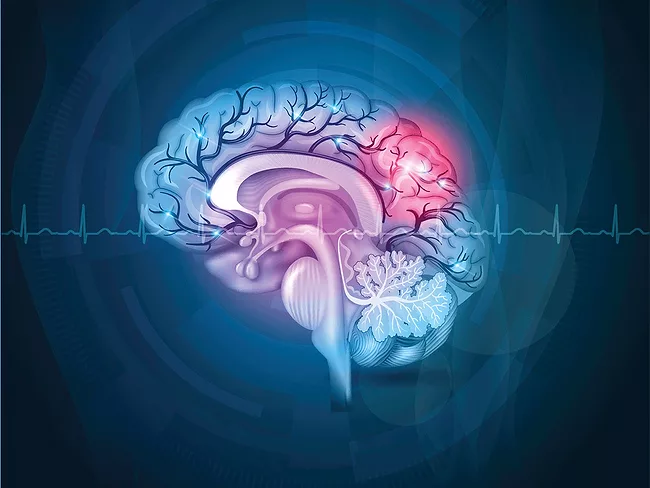
Stroke accounts for nearly 12% of all deaths worldwide, making it the second leading cause of death. In acute ischemic stroke, the ischemia and subsequent return of blood flow create oxidative and nitrosative stress that can overwhelm neurons and disable important circuitry.
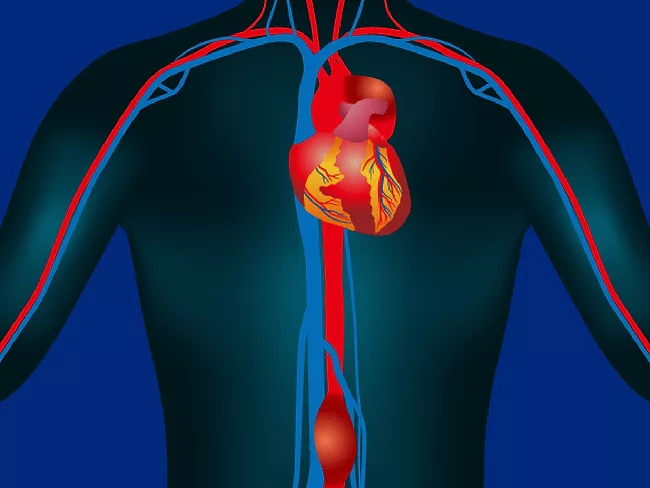
Researchers have identified glutathione peroxidase 4 (GPX4) as a therapeutic target in abdominal aortic aneurysm, a vascular disease characterized by permanent and focal dilatation of the abdominal aorta, with a mortality rate of up to 85% in case of rupture.
The etiology of epilepsy, as well as its pathology, still remains evasive. The role that FK506-binding protein 51 (FKBP51) might play in this disease was investigated in a murine model of kainic acid-induced excitotoxic brain injury.
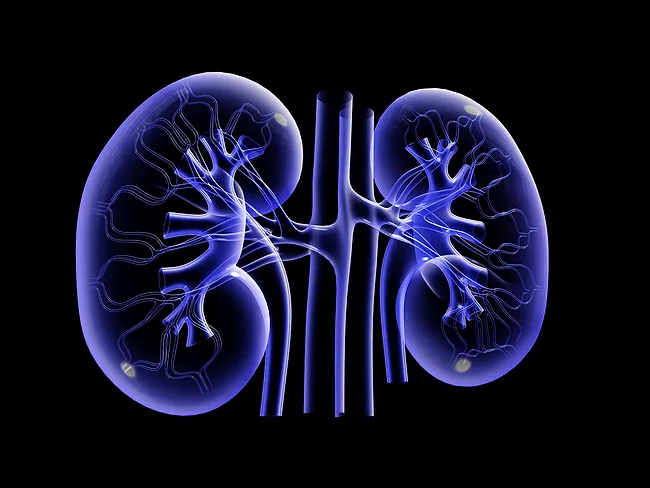
Clear cell renal cell carcinoma (ccRCC) is still a clinical challenge due to its high metastasis rate at diagnosis and therapy resistance. It accounts for about 75%-80% of RCC cases. The magnesium transporter NIPA4 (NIPAL4) may influence tumor progression, but there is lack of knowledge on its prognostic value and role in ccRCC.