Multiple myeloma (MM) is a complex and heterogeneous blood cancer, and current risk assessment tools like the Revised International Staging System (R-ISS) have limitations in accurately predicting prognosis, especially for the intermediate-risk R-ISS II group.
The polarization of macrophages is crucial in modulating the tumor microenvironment and impacting cancer development. Long noncoding RNAs (lncRNAs) have been identified as key regulators in this process.
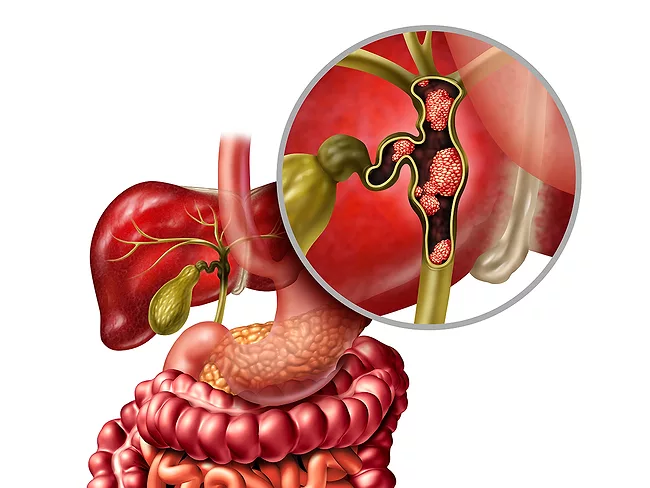
Cholangiocarcinoma is a rare cancer that arises from the intrahepatic biliary epithelium or extrahepatic bile ducts. Apart from genetic mutations, epigenetic changes are also contributing to cancer development, making DNA methylation and histone modification focus for cancer research.
Cancer cachexia is a devastating condition that affects up to 80% of advanced cancer patients and causes approximately 2 million deaths worldwide annually. Cancer cachexia is characterized by uncontrolled weight loss and severe muscle wasting. Despite its significant impact, effective treatments remain elusive.
Age-related macular degeneration (AMD) is the primary cause of blindness in people aged 65 and older in developed nations. Recent estimates suggest that, globally, the number of individuals affected by AMD could rise to approximately 288 million by 2040.
Cancer cachexia is a devastating condition that affects up to 80% of advanced cancer patients and causes approximately 2 million deaths worldwide annually. Cancer cachexia is characterized by uncontrolled weight loss and severe muscle wasting. Despite its significant impact, effective treatments remain elusive.
Pancreatic ductal adenocarcinoma (PDAC) accounts for more than 90% of cases of pancreatic cancer, and prognosis for PDAC remains poor despite treatment advances. One reason is that PDAC downregulates the display of antigens on the surface of tumor cells, helping it evade the patient’s immune system and therapies involving immune checkpoint inhibitors.
Esophageal cancer accounts for the sixth leading cause of cancer-related deaths worldwide. The clinical efficacy of therapies for esophageal squamous-cell carcinoma (ESCC) remain limited due to drug resistance and side effects. There is an urgent need to identify new therapeutic targets to shed light on its pathogenesis.