Chronic obstructive pulmonary disease (COPD) is a respiratory disease characterized by chronic inflammation and structural damage to the alveoli, with irreversible declined lung function. M1 pro-inflammatory macrophages mainly participate in airway inflammation and in tissue destruction, and are involved in COPD, but the mechanisms need to be elucidated.
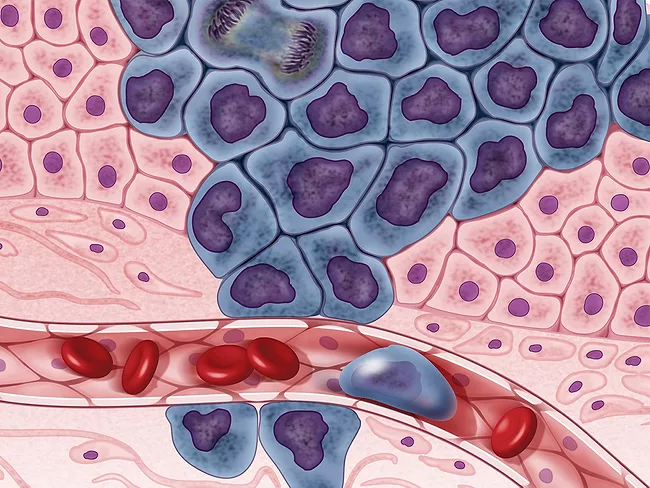
In the current landscape of cancer research, much attention is focused on the tumor microenvironment (TME) at both the primary site and established metastases. However, the early micrometastatic niche remains poorly understood. Researchers from the Hospital del Mar Research Institute (HMRI) have pinpointed T cell immunoglobulin and mucin domain 3 (TIM3) as a key vulnerability in tumor micrometastasis, revealing a new target to halt metastatic progression at its origin.
Splicing is a process necessary for the correct synthesis of proteins and an essential step in gene expression. An impaired minor splicing may lead to aberrant pre-mRNA transcripts and exon skipping, leading to premature stop codons and truncated synthesized proteins, resulting in severe consequences.
Fragile X syndrome (FXS), the most common inherited cause of intellectual disability and autism, is caused by silencing of the Fmr1 gene, leading to a lack of the FMRP protein, which regulates protein synthesis in neurons. One key pathway affected by FMRP loss is the metabotropic glutamate receptor 5 (mGluR5) signaling pathway, where activation of mGluR5 leads to excessive translation of several proteins involved in synaptic plasticity.
Myocardial hypertrophy is a condition characterized by thickening of the ventricular wall and commonly associated with progression to heart failure. It develops when the heart is subjected to biomechanical stress or neurohormonal or hemodynamic stimuli.
Idiopathic pulmonary fibrosis (IPF) is a progressive disease characterized by lung scarring, fibrosis and finally respiratory failure. Currently, few treatment options are available for IPF and they only slow down disease progression and do not reverse fibrosis. There is a need for new therapeutic targets that aid in the management of the disease.
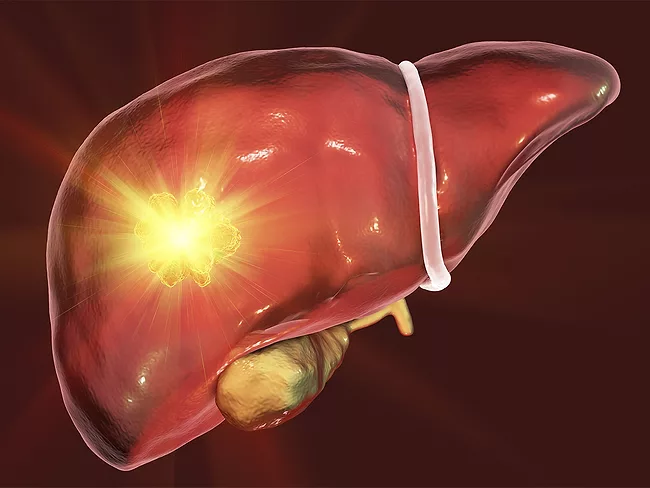
Hepatocellular carcinoma (HCC) is the third leading cause of cancer-related deaths worldwide, with few successful treatment options. HCC development is associated with established risk factors, including metabolic dysregulation, repeated insults by hepatotoxins or infection by hepatotropic viruses.
A recent study published in the journal International Immunopharmacology presents compelling preclinical evidence that NIMA-associated kinase 7 (NEK7), a key regulator of inflammation, may play a pivotal role in the pathology of depression.
A recent publication in Science Advances has uncovered NMNAT1 as a promising therapeutic target for alcohol-associated liver disease (ALD). Early ALD can be reversible, but prolonged alcohol abuse may lead to progressive steatohepatitis, fibrosis and even cirrhosis or hepatocellular carcinoma.
Diabetic retinopathy (DR) is a leading cause of vision loss in patients with diabetes, with limited therapeutic options. While current treatments focus on the proliferative stage, there is an urgent need to understand the underlying mechanisms of the early stages of DR to halt progression. Growing research suggests that activated microglia are key drivers of inflammation in DR.