Researchers have investigated the role of the voltage-dependent potassium channel Kv1.3 in vivo in a murine model of ethanol-exposed alcohol-related liver disease (ALD).
Astrocytes are crucial for brain homeostasis and synaptic activity under healthy conditions, and are activated during neuroinflammation, neural damage and neurodegeneration, such as in Alzheimer's disease (AD).
The mitochondria play a crucial multifunctional role in the progression of malignant tumors. Therefore, researchers are working to understand the link between mitochondrial DNA mutations and abnormalities in mitochondrial-associated proteins and cancer development and progression.
An international group of scientists has completed the first draft of The Pan-Cancer Proteome Atlas (TPCPA). The project is based on mass spectrometry of 22 cancer types, which has identified more than 9,000 proteins from 1,000 tumors. The results reveal which proteins allow for the classification of different cancer types, biomarkers and potential therapeutic targets, which are now available to the entire scientific community.
Among gynecological cancers, ovarian cancer is the deadliest one and with the worst prognosis primarily due to resistance to platinum-based therapies. Esculetin has been shown to exert antitumoral effects in some cancer types, but its effect on ovarian cancer is not well known.
Multiple myeloma (MM) is a complex and heterogeneous blood cancer, and current risk assessment tools like the Revised International Staging System (R-ISS) have limitations in accurately predicting prognosis, especially for the intermediate-risk R-ISS II group.
The polarization of macrophages is crucial in modulating the tumor microenvironment and impacting cancer development. Long noncoding RNAs (lncRNAs) have been identified as key regulators in this process.
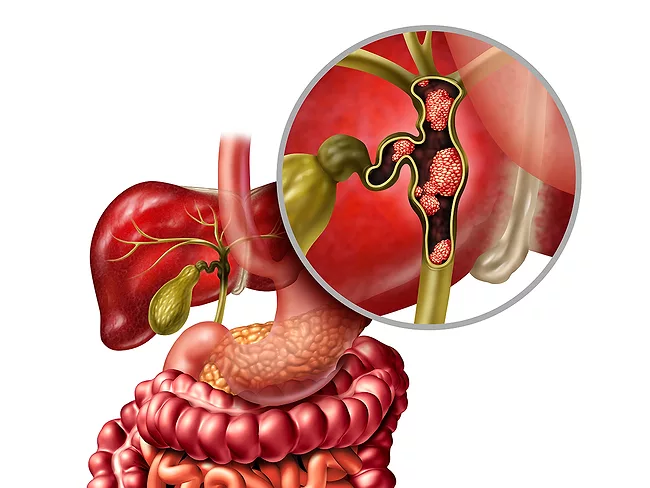
Cholangiocarcinoma is a rare cancer that arises from the intrahepatic biliary epithelium or extrahepatic bile ducts. Apart from genetic mutations, epigenetic changes are also contributing to cancer development, making DNA methylation and histone modification focus for cancer research.
Cancer cachexia is a devastating condition that affects up to 80% of advanced cancer patients and causes approximately 2 million deaths worldwide annually. Cancer cachexia is characterized by uncontrolled weight loss and severe muscle wasting. Despite its significant impact, effective treatments remain elusive.