Researchers from First Affiliated Hospital of Zhengzhou University published results from a study that aimed to investigate the mechanisms by which programmed cell death and mitochondrial function influence prognosis and immunotherapy response in renal cell carcinoma (RCC), and to identify novel therapeutic targets for this disease.
Esophageal squamous cell carcinoma (ESCC) accounts for about 90% of esophageal cancer cases and is the sixth most common cause of cancer death worldwide. Targeting cancer stem cells offers a therapeutic approach for addressing cancer, concretely in those cases that are resistant to cisplatin.
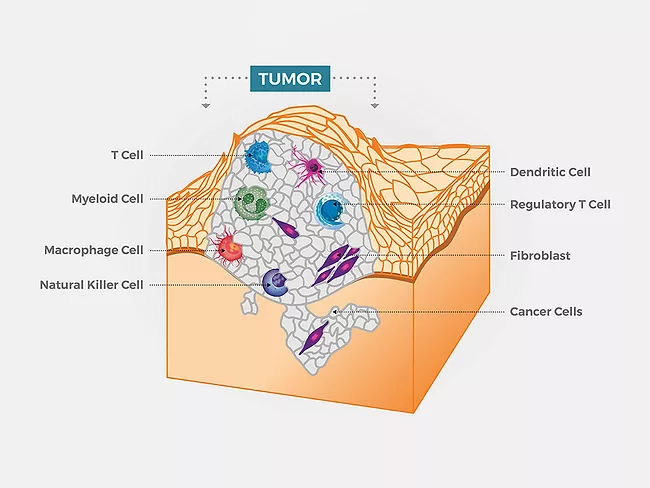
Diffuse intrinsic pontine gliomas (DIPGs) are aggressive pediatric brain tumors found in the pontine region of the brainstem. Due to their high intratumoral genetic and cellular heterogeneity and highly invasive phenotype, no curative strategies are currently available. Therefore, understanding how glioma cells interact with the tumor microenvironment (TME) to promote pathogenesis is crucial to developing novel therapeutic approaches.
Researchers from Shanghai Jiao Tong University and affiliated organizations have published their findings from studies that aimed to investigate the pathogenesis of idiopathic pulmonary fibrosis (IPF) and identify novel regulators of the disease.
A team at Baylor College of Medicine conducted research to identify novel cell-surface cancer/germline antigens (CGAs) expressed in triple-negative breast cancer (TNBC) that could serve as targets for development of CAR T therapies against this disease.
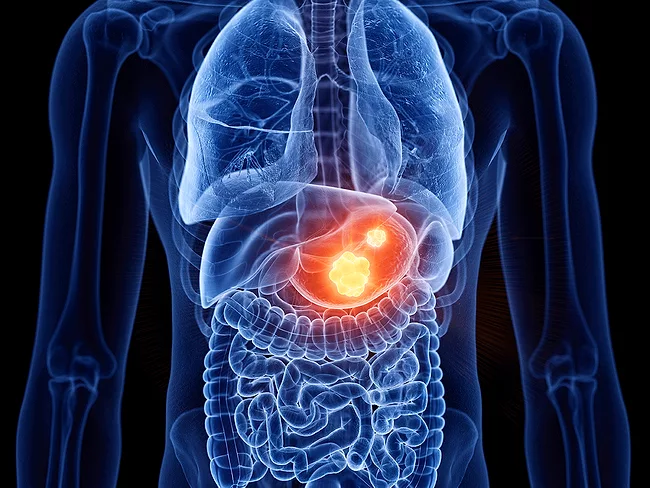
In recently published work from Air Force Medical University, analysis of tumor tissues isolated from different patient-derived xenografts revealed significantly increased expression of FXYD5 in the metastatic tumors compared to the primary tumors, and analysis of patient database confirmed significantly elevated expression of FXYD5 in gastric cancer tissues compared to normal gastric tissues.
Pancreatic cancer is still among the most lethal cancers, with >45% of patients presenting distant metastasis at diagnosis, and with a 5-year survival rate of 13%. Known for its role in appetite and energy homeostasis, neuropeptide Y (NPY) is the most common neuropeptide in the central and peripheral nervous system, acting through its receptor NPY1R, among others.
Previous studies revealed a positive correlation between O-GlcNAcylation and tumor growth via the stabilization of target proteins, with O-GlcNAcylation transferase (OGT) being the only enzyme capable of catalyzing the addition of O-GlcNAcylation to these proteins. Scientists at Sun Yat-Sen University and affiliated organizations investigated the role of OGT in the progression and drug resistance of multiple myeloma.
Inflammatory bowel disease (IBD) is impacted by genetic, environmental and immunological factors, where the imbalance in T-cell immune responses significantly promotes its progression. In recent years, the role of RNA modifications in epigenetic regulation has caught significant attention in research; among these, N4-acetylcytidine (ac4C) is the only acetylation process in RNA and plays a role in several biological processes, but its implication in the functioning of immune cells is largely unknown to date.
The Ca2+ stored in the cellular endoplasmic reticulum (ER) plays a crucial role in protein folding and lipid transfer, and its impairment leads to cellular ER stress. When chronic cellular ER stress occurs in the liver, it triggers the pathogenesis of metabolic dysfunction-associated steatotic liver disease (MASLD) and metabolic dysfunction-associated steatohepatitis (MASH). Previous reports found that NACHT and WD repeat domain containing 1 (NWD1) localized in the ER and mitochondria in neural stem/progenitor cells, but the significance of NWD1 outside the brain is not well known.