Pancreatic cancer is still among the most lethal cancers, with >45% of patients presenting distant metastasis at diagnosis, and with a 5-year survival rate of 13%. Known for its role in appetite and energy homeostasis, neuropeptide Y (NPY) is the most common neuropeptide in the central and peripheral nervous system, acting through its receptor NPY1R, among others.
Previous studies revealed a positive correlation between O-GlcNAcylation and tumor growth via the stabilization of target proteins, with O-GlcNAcylation transferase (OGT) being the only enzyme capable of catalyzing the addition of O-GlcNAcylation to these proteins. Scientists at Sun Yat-Sen University and affiliated organizations investigated the role of OGT in the progression and drug resistance of multiple myeloma.
Inflammatory bowel disease (IBD) is impacted by genetic, environmental and immunological factors, where the imbalance in T-cell immune responses significantly promotes its progression. In recent years, the role of RNA modifications in epigenetic regulation has caught significant attention in research; among these, N4-acetylcytidine (ac4C) is the only acetylation process in RNA and plays a role in several biological processes, but its implication in the functioning of immune cells is largely unknown to date.
The Ca2+ stored in the cellular endoplasmic reticulum (ER) plays a crucial role in protein folding and lipid transfer, and its impairment leads to cellular ER stress. When chronic cellular ER stress occurs in the liver, it triggers the pathogenesis of metabolic dysfunction-associated steatotic liver disease (MASLD) and metabolic dysfunction-associated steatohepatitis (MASH). Previous reports found that NACHT and WD repeat domain containing 1 (NWD1) localized in the ER and mitochondria in neural stem/progenitor cells, but the significance of NWD1 outside the brain is not well known.
Researchers from Soochow University and affiliated organizations presented data from a study that aimed to investigate the role of cyclic GMP-AMP synthase (cGAS) in tumorigenesis and tumor progression.
Bardet-Biedl syndrome (BBS) is a ciliopathy that leads to progressive blindness due to degeneration of cone photoreceptors, but the mechanisms behind this are not well understood. The syndrome is associated with obesity, polydactyly, cardiovascular disease and skeletal abnormalities, among others, and it is caused by genetic variants in the BBS10 gene in about 40% of the cases.
Triple-negative breast cancer (TNBC) is among the most aggressive breast cancer subtypes, with high metastasis and recurrence rates, as well as poor survival. While various molecular targets for TNBC do exist, the low proportion of expression of these molecules in TNBC tissues limits the number of patients that benefit from molecular therapeutics.
Ischemic stroke is a fatal condition caused by an arterial embolism that blocks the blood flow through the cerebral artery, frequently being a cause of mortality and disability. Fibroblast growth factor 21 (FGF21) is likely the only member of the FGF family that may cross the blood-brain barrier. Among its functions, inflammatory regulation, energy metabolism, vascular homeostasis, oxidative stress and tissue repair can be highlighted.
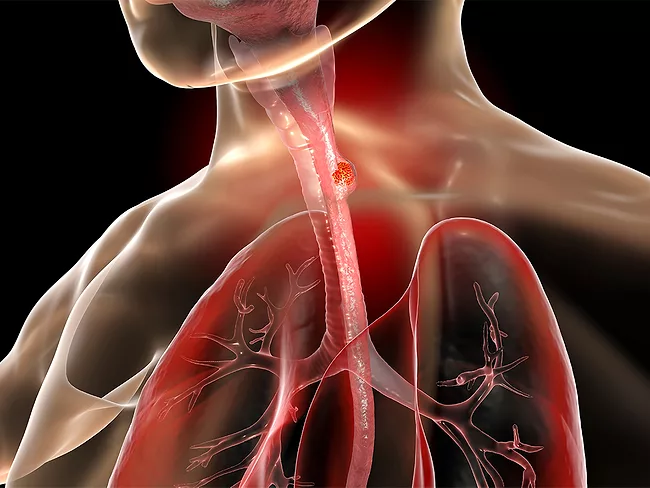
Esophageal cancer, particularly esophageal squamous cell carcinoma (ESCC), is one of the most prevalent digestive malignancies, with a 5-year survival rate of only 20%. Although some cancer immunotherapies based on immune checkpoint inhibitors (ICIs) have shown promise for ESCC, only a minority of patients actually benefit from ICI therapy.
Endocannabinoids are lipid mediators that interact with G protein-coupled receptors, including cannabinoid CB2 receptor (CB2R), which is mainly expressed in peripheral tissues with immune functions.