The Schlafen (SLFN) family of interferon-inducible genes, involved in the regulation of immune and antiviral responses, has recently attracted attention for the development of novel anticancer therapies.
Enara Bio Ltd. is staking a claim to having validated the first in a new class of tumor antigens derived from unannotated regions of the dark genome, describing its findings in talks and posters being presented at the Society of Immunotherapy in Cancer (SITC) meeting in National Harbor, Md., Nov. 5-9, 2025.
Current treatments for herpes simplex virus 1 (HSV-1) mainly target the viral DNA polymerase, but resistance is becoming an increasing problem. By understanding how HSV-1 initiates replication, scientists hope to find new ways to intervene before this stage, which could potentially contribute to avoid resistance.
Leading advances in cancer research, the 2025 AACR-NCI-EORTC International Conference on Molecular Targets and Cancer Therapeutics highlighted some of the field’s most promising innovations. Parabilis Medicines Inc. and Tango Therapeutics Inc. presented their work on potential therapeutic targets that may signal significant shifts in the future of cancer treatment.
Restrictive element-1 silencing transcription factor (REST) has key roles in neuronal differentiation, structural remodeling and plasticity, contributing to neuronal homeostasis in postnatal neurons. It acts as a suppressor of neuronal gene expression in stem and progenitor cells, and abnormal accumulation of it has been linked to several neurological disorders, like Huntington’s disease, epilepsy and stroke.
Septic cardiomyopathy is a common and serious complication of sepsis, affecting up to 60% of patients and markedly worsening survival outcomes. It is characterized by left ventricular systolic dysfunction, but its underlying mechanisms remain poorly understood despite extensive research.
Nonsteroidal anti-inflammatory drugs (NSAIDs) are commonly used to treat inflammatory pain, but they can have severe side effects, including potentially life-threatening gastrointestinal, renal and cardiac toxicity. Their analgesic effect is driven by inhibition of prostaglandin (PG) biosynthesis and subsequent inflammation, but this inhibitory effect on inflammation could delay pain resolution. An optimal approach to managing PG-mediated pain would selectively relieve pain while preserving the PGs’ essential inflammatory and protective functions.
Chinese researchers have published preclinical data regarding the potential of never in mitosis A (NIMA)-related kinase 2 (NEK2) as a therapeutic target in multiple sclerosis (MS), an inflammatory demyelinating disease of the central nervous system (CNS) in which B cells play a key role.
In an isomerization reaction, uridine is modified to pseudouridine, the most abundant RNA modification which presents an extra hydrogen bond donor, altering the RNA structure and providing unique chemical properties.
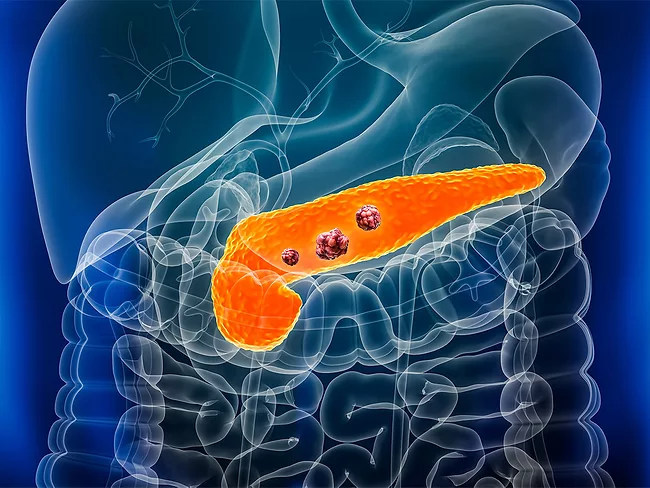
Pancreatic cancer remains one of the deadliest cancers, with survival rates showing little improvement over decades and projections placing it as the second leading cause of cancer deaths by 2030. Chemotherapy is essential for all patients, yet most tumors lacking BRCA1/2 or PALB2 mutations show resistance to cisplatin. Growing evidence suggests that targeting nuclear factor NF-κB, a key driver of cancer progression, could help overcome this chemoresistance and improve treatment outcomes.