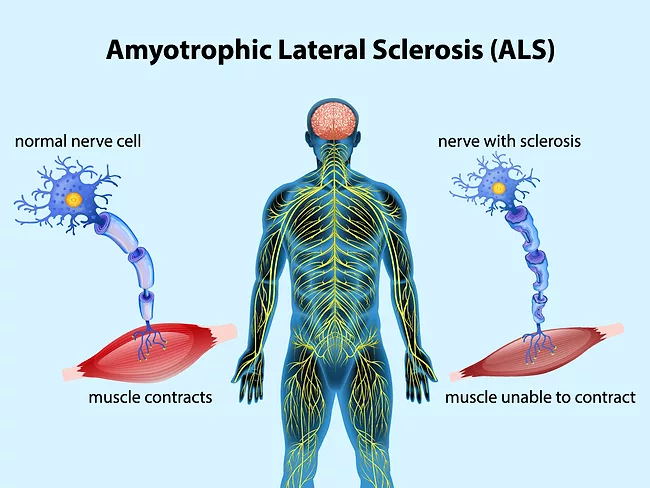
Amyotrophic lateral sclerosis (ALS) is a fatal neurodegenerative disease characterized by the progressive degeneration of motor neurons, leading to muscle wasting and paralysis, among others. Due to its high clinical heterogeneity, effective therapies are still not available.
In recent work, researchers from Shanghai Jiaotong University School of Medicine and Shanghai Colorectal Cancer Research Center reported that the transcription factor hematopoietically expressed homeobox (HHEX) promotes tumorigenesis in colitis-associated colorectal cancer. In a new paper, the team aimed to further characterize the biological function and potentially dysregulated mechanisms of HHEX during intestinal inflammation, which remained largely unexplored.
Insilico Medicine Cayman Topco has established a strategic research collaboration with Aska Pharmaceutical Co. Ltd. to identify novel therapeutic targets for challenging gynecological conditions, including endometriosis, uterine fibroids and adenomyosis.
Insitro Inc. has expanded its strategic collaboration with Bristol Myers Squibb Co. to advance a broadened portfolio of therapeutic programs for amyotrophic lateral sclerosis (ALS).
Neuroinflammation has arisen as a key factor in the pathophysiology of Alzheimer’s disease (AD). Chronic immune activation in the brain leads to the release of pro-inflammatory cytokines and other inflammatory mediators that contribute to neuronal damage, thus impacting cognitive function during the progression of the disease. Transcriptomic and epigenomic analyses were performed to understand the epigenetic mechanisms behind the expression of inflammatory genes in AD brain.
HORMA domain-containing protein 1 (HORMAD1) is a protein that promotes meiotic recombination and its expression is usually restricted to germ-line cells, although it has been shown to be actively expressed out of context in about 60% of triple-negative breast cancers (TNBCs). A team at The Institute of Cancer Research has found that this aberrant expression in tumor cells perturbs mitotic arrest and generates aneuploidy, leading to a weakening of the spindle assembly checkpoint and in kinetochore-microtubule error correction.
Pulmonary fibrosis (PF) is a fatal lung disease characterized by excessive deposition of extracellular matrix proteins in the lung interstitium due to excessive fibroblast activation, which leads to tissue scarring and potential respiratory failure. Chinese researchers have published results of their investigations into circular RNAs and the pathogenesis of PF.
Researchers from the China Pharmaceutical University and Guangdong Pharmaceutical University (China) have unveiled the crucial role of the alternative splicing of E2A in myogenic progression and demonstrated that PTBP1, by controlling E2A alternative splicing, is a critical regulator of myogenesis.
Similarities among three pediatric brain tumors that arise in different structures of the CNS – pineoblastoma, retinoblastoma and Group 3 medulloblastoma – have been linked to their shared origin during pineal gland development. Scientists at St. Jude Children’s Research Hospital have identified the molecular signatures that drive these tumors from pinealocyte progenitor cells that conserve a common differentiation program, providing a shared therapeutic target for these three cancer types.
The exact genetic and epigenetic cause of the sporadic form of amyotrophic lateral sclerosis (ALS), which affects approximately 90% of patients, are largely unknown. Previous work found that mitochondrial dysfunction and metabolic dysregulation are crucial to ALS pathophysiology.