The interleukin-2 receptor subunit γ (IL-2RG), also known as γc cytokine receptor or CD132, family of cytokines includes interleukin-2 (IL-2), IL-4, IL-7, IL-9, IL-15 and IL-21. These γc cytokines exert broad pleiotropic effects on the innate and adaptive immune system, and they all share the IL-2RG chain as part of its signaling receptor complex. Researchers from Regeneron Pharmaceuticals Inc. aimed to assess whether targeting γc cytokines may serve as a strategy for the prevention and treatment of T-cell-mediated disease.
Several studies on the effect of hyperglycemia on malignant tumor progression have been performed; hyperglycemia is known to be a risk factor for breast cancer-related mortality, since it causes aberrant gene expression by altering the epigenome (hyperglycemic memory).
Mesotheliomas are highly aggressive cancers with short overall survival, which can be extended only by a few months with currently approved therapies. Around 60%-70% of malignant mesotheliomas present mutated or deleted BAP1 tumor suppressor. BAP1 is a catalytic subunit of the polycomb repressive deubiquitinating (PR-DUB) complex, and its loss results in epigenetic alterations.
Researchers from Zhongnan Hospital of Wuhan University reported data from a study that aimed to evaluate the therapeutic efficiency of organic arsenic compounds for the treatment of osteosarcoma.
N6-methyladenosine (m6A) is the most common endogenous modification in eukaryotic RNAs. Researchers are starting to understand the impact of changes in m6A levels on cancer mechanisms, including immune evasion.
Breast cancer-associated gene 1 (BRCA1) is a critical tumor suppressor in breast cancer, and BRCA1 deficiency impairs DNA damage repair, leading to DNA damage accumulation and subsequent genetic alterations that result in the onset of breast cancer. In the current study, researchers from the University of Macau aimed to identify the potential factors that may participate in BRCA1-associated tumorigenesis.
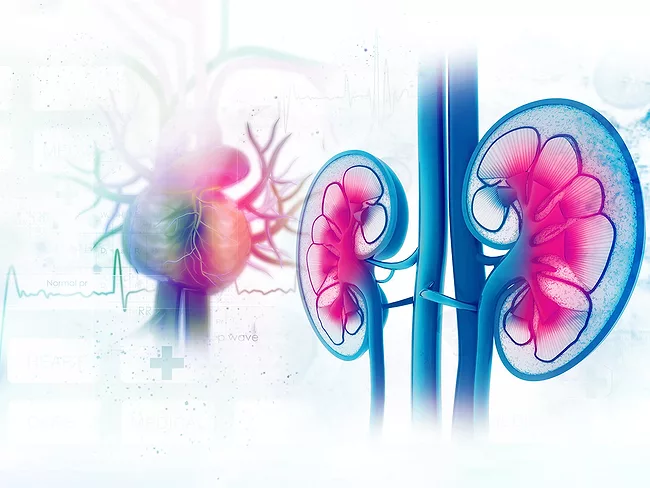
Researchers from Cincinnati Children’s Hospital Medical Center have published data from a study that aimed to investigate the role of interleukin-33 (IL-33) in cardiac remodeling after acute kidney injury (AKI).
About 8% of the worldwide population carries the aldehyde dehydrogenase 2 (ALDH2) alcohol flushing variant (ALDH2*2, rs671), which has been tied to an increased risk of coronary artery disease (CAD) due to severe loss of ALDH2 enzymatic activity.
An analysis of more than 1,000 small molecules has identified dozens of compounds that could be effective to treat Marfan syndrome (MFS), an inherited disorder affecting connective tissue, primarily in the heart and blood vessels, the skeleton, and the eyes. In particular, the researchers from Cambridge University found that glycogen synthase kinase-3β (GSK-3β) could be a target to develop new therapies based on its inhibition.