Previous studies have implicated OBSCN in breast tumorigenesis and have also demonstrated that low OBSCN levels correlate with significantly reduced overall and relapse-free survival in breast cancer patients. In a recent study, researchers from Memorial Sloan Kettering Cancer Center aimed to investigate the mechanisms involved in the regulation of OBSCN.
The mTORC2 complex plays an important role in the PI3K/AKT/mTOR pathway, allowing activation of AKT and contributing to the development of BRAF-mutated (BRAFm) melanomas and their resistance to treatments. Researchers from Inserm aimed to identify new candidates for targeting the mTORC2 complex in melanoma, with focus on one principal protein of this complex, MAPKAP1 (also known as SIN1).
Protein phosphatase 2A (PP2A) is a heterotrimer affecting approximately 60% of all serine/threonine phosphorylations. PP2A functions as a tumor suppressor when it is a trimer (PP2A-A-PP2Ac-B56) containing the B56 subunit. The B56 subunit is known to interact with up to 100 different proteins, but exactly how the PP2Aa/c-B56 complex is disrupted to initiate cancer has been poorly understood until now.
It has been previously demonstrated that necrosis is associated with metastatic dissemination of cancer cells; however, how necrosis promotes tumor dissemination is not understood. In a recent study, researchers from Fred Hutchinson Cancer Center and University of Washington aimed to investigate the correlation between tumor dissemination and the formation of large contiguous zones of necrosis within the tumor core.
Researchers from Memorial Sloan Kettering Cancer Center and affiliated organizations presented data from a study that aimed to investigate the immunomodulatory functions of lysine-specific demethylase 1 (LSD1) in regulating MHC-I antigen presentation pathway (APP) and resistance to immunotherapy in patients with small-cell lung cancer (SCLC).
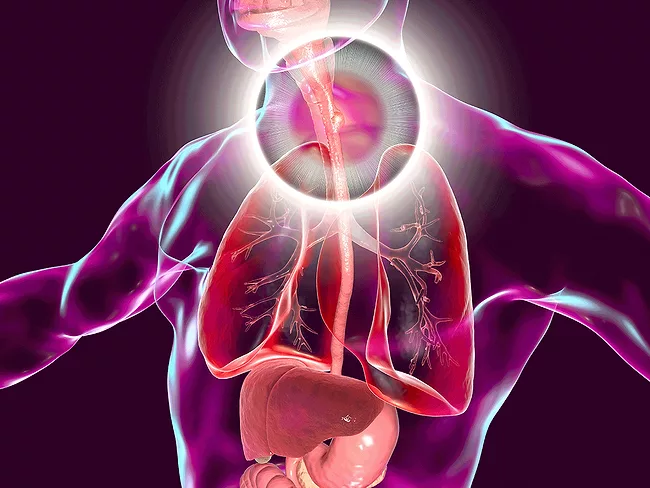
Previous studies have identified a promising target and potential biomarker for diagnosing and treating gastrointestinal and esophageal cancers: claudin18.2 (CLDN18.2), a tight junction protein overexpressed in these and other solid tumors.
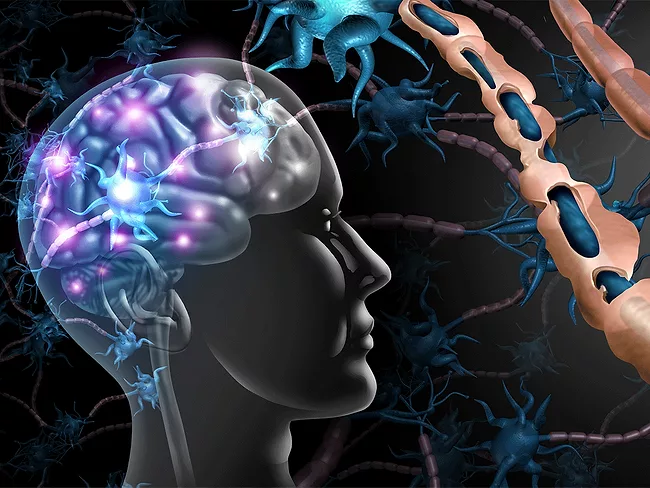
Tumor necrosis factor (TNF) has been implicated in the pathogenesis of several neurological disorders, such as multiple sclerosis (MS). Its transmembrane form activates the type II tumor necrosis factor receptor (TNFR2), functioning via cell-to-cell contact. In contrast, its soluble form activates TNFR1; studies in animal models have evidenced TNFR1 to activate neurotoxic pathways, while TNFR2 activation pathways may have protective effects within the central nervous system due to activation of reparative mechanisms.
The 16p11.2 duplication is a copy number variant that has been previously identified to confer risk for diverse neuropsychiatric disorders, including autism spectrum disorder, schizophrenia, intellectual disability and epilepsy. Researchers from Northwestern University Feinberg School of Medicine aimed to assess disease networks associated with this broad phenotypic spectrum.
Since abnormal choline accumulation in cancer cells has been strongly correlated with malignant tumor growth, researchers from Tokyo Medical University aimed to analyze the functional expression of choline transporters in human hepatocellular carcinoma (HCC).
A lot of focus has been put on targeting T-cell immunoreceptor with Ig and ITIM domains (TIGIT) for HIV infection treatment, but no attention has been given to targeting its ligand, CD155.