CD276-based immunotherapy strategies have demonstrated potent antitumor activity and feasibility for clinical application in solid tumors. In urothelial bladder cancer, CD276 is also aberrantly expressed. However, the exact role of CD276 in bladder cancer tumorigenesis and its potential clinical significance remain unexplored.
Proprotein convertase subtilisin/kexin type-9 (PCSK9) is highly expressed in adult hepatocytes. PCSK9 binds to and promotes the degradation of the low-density lipoprotein (LDL) receptor, thereby increasing LDL cholesterol levels. PCSK9 inhibition has emerged as a promising strategy for cardiovascular diseases. However, it is still unclear whether PCSK9 can trigger blood vessel inflammation directly modulating monocytes or endothelial cells independently of LDL receptor.
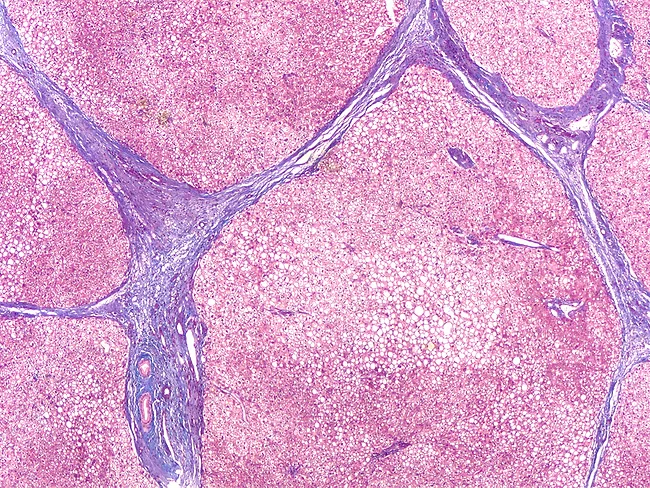
A small molecule could provide a new therapeutic approach against organ fibrosis. Using genome-wide association (GWA) assays, a group of researchers from the Westmead Institute for Medical Research in Sydney identified Mer tyrosine kinase (MERTK) as a candidate to study fibrosis and showed that its inhibition with the experimental compound reduced this condition in mouse models’ liver, kidneys and lungs. “There were some studies on the role of MERTK in liver fibrosis, but its therapeutic potential for various organ fibrosis has not been explored before. This study provides unequivocal evidence that MERTK is a potent nodal regulator of fibrosis supported by detailed mechanistic studies,” the senior author Mohammed Eslam told BioWorld.
Metabolic dysfunction-associated steatotic liver disease (MASLD), previously known as nonalcoholic fatty liver disease, shows different occurrence between sexes, being less prevalent in premenopausal women than in men or postmenopausal women.
Researchers from Catholic University of Korea published data from a study that investigated the effect of miRNA-21a-5p on fibrosis development in systemic sclerosis (SSc). With the aim of assessing the pathological impact of miRNA-21a-5p on skin and lung fibrosis in vivo, a bleomycin-induced SSc murine model was developed, and the mice were hydrodynamically injected with plasmids containing pre-miRNA-21a-5p or anti-miRNA-21a-5p.
Natural killer (NK) cells play a crucial role in cancer immunosurveillance. Circulating NK cells can kill target cells without prior sensitization. There are some receptors known to impact the activity of NK cells, such as the inhibitory NK cell receptor TIM3, among others, which recognizes phosphatidylserine on the surface of cells. More research has been performed using targeted or genome-wide CRISPR screening to identify cancer cell genes that impact NK cell-killing ability.
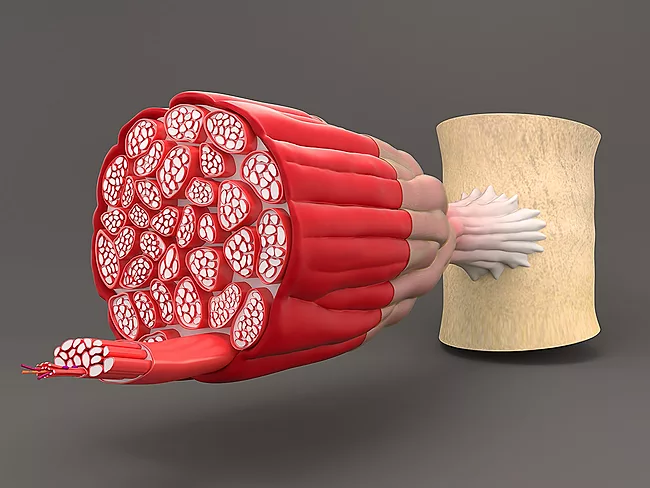
Recent genome-wide association studies identified an association between low bone mineral density (BMD) and a single-nucleotide polymorphism (SNP) at the MALAT1 locus, but there is no functional evidence on the role of MALAT1 alterations in BMD or osteoporosis. Hence, scientists at MD Anderson Cancer Center aimed to assess the functional role of MALAT1 alterations in low BMD and osteoporosis.
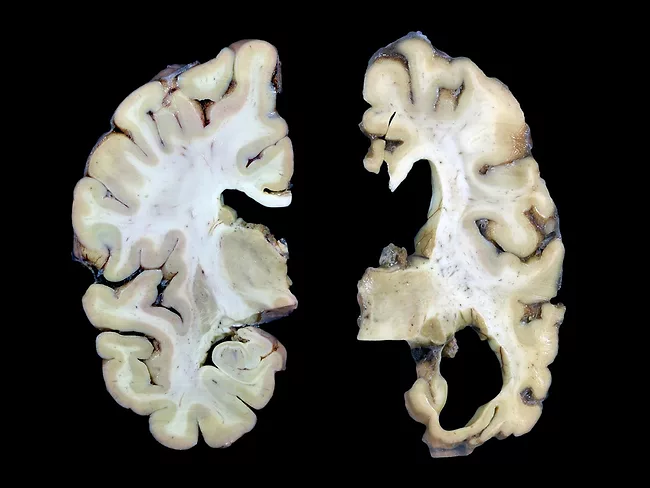
Recent studies have identified HAVCR2, which encodes immune checkpoint molecule TIM-3 (T-cell immunoglobulin mucin receptor 3), as a risk gene for late-onset Alzheimer’s disease (AD).
In a new study, researchers from Harvard Medical School and Regulus Therapeutics Inc. further investigated the role of miR-155 in Alzheimer's disease (AD).