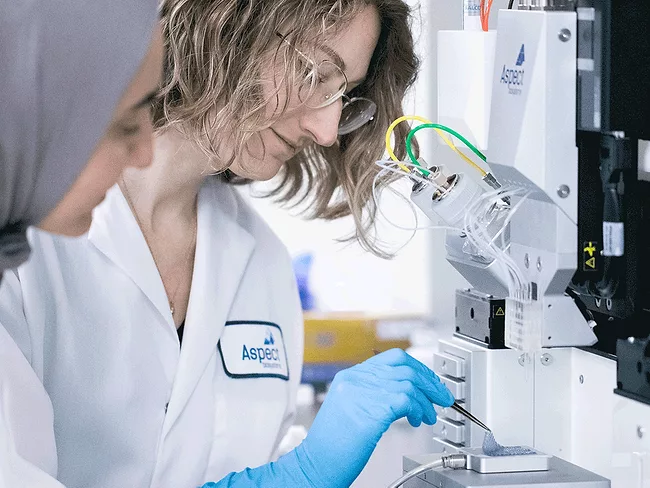
In collaborating with Novo Nordisk A/S, privately held Aspect Biosystems Ltd. entered its biggest ever deal that could bring in more than $2.6 billion while advancing its 3D, bioprinted tissue therapeutics technology. The two companies will collaborate to develop up to four diabetes and/or obesity products, a Novo specialty, using implantable bioprinted tissues to replace, repair or supplement human biological functions. The initial target will be type 1 diabetes.
In a blow to Aussie regenerative medicine company Regeneus Ltd., Japan’s Kyocera Corp. has pulled out of a licensing deal for Regeneus’ lead mesenchymal stem cell (MSC) therapy, Progenza, for osteoarthritis of the knee for the Japan market.
Orthogen AG received an investigational device exemption (IDE) from the U.S. FDA for its Orthogen technology device. This approval allows the company to start a pivotal trial on the device, used for treating patients with mild stage (II) to severe stage (IV) knee osteoarthritis. The trial will compare improvements in pain levels and function using standalone glucocorticoid injection, the current standard of care, against the Orthogen device.
In a blow to Aussie regenerative medicine company Regeneus Ltd., Japan’s Kyocera Corp. has pulled out of a licensing deal for Regeneus’ lead mesenchymal stem cell (MSC) therapy, Progenza, for osteoarthritis of the knee for the Japan market. Osteoarthritis of the knee is the first indication for Progenza, an allogeneic off-the-shelf adipose-derived MSC therapy.
Regenerative medicine company Relive Biotechnologies Ltd. acquired all operating assets of Germany-listed biotech company Co.don AG to expand its global footprint.
After long years of painstaking work, the commercialization of cell and gene therapies picked up pace in 2022, with multiple approvals. More progress is expected in 2023, with several firsts in the offing and products for larger patient populations reaching the market.
Zimmer Biomet Holdings Inc. (ZBH) agreed to acquire Embody Inc. for $155 million at closing with an additional $120 million in contingent milestone payments over the next three years. The deal includes Embody’s entire portfolio of collagen-based regenerative solutions for soft tissue injuries. The transaction is expected to close in February.
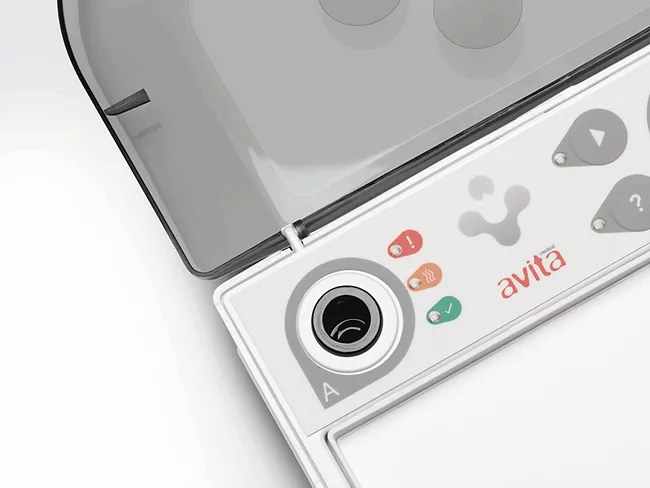
Avita Medical Ltd.’s Recell system won FDA breakthrough device designations in soft tissue repair and vitiligo. Melbourne-headquartered Avita, a regenerative medicine company developed the Recell system, a technology platform that enables point-of-care autologous skin restoration.
“We look at Japan with some envy with what they’ve been able to achieve and their approach to regenerative medicine, which has been supported significantly by their federal government,” said Silvio Tiziano, CEO of the Center for the Commercialization of Regenerative Medicine Australia, during the recent Ausbiotech conference in Perth.
South Korea’s regenerative medicine market is expected to grow from $51 million in 2016 to $320 million by 2026, growing at a compound annual growth rate of 20%, So Ra Park, chair and founder of Korea’s Regenerative Medicine Acceleration Foundation said.