South Korea’s regenerative medicine market is expected to grow from $51 million in 2016 to $320 million by 2026, growing at a compound annual growth rate of 20%, So Ra Park, chair and founder of Korea’s Regenerative Medicine Acceleration Foundation said during the Ausbiotech 2022 conference in Perth, Australia, running Oct. 26 to 28.
Lattice Medical SAS reported the first successful breast reconstruction using Mattisse technology, a totally resorbable, 3D-printed implant which naturally regenerates fatty tissue. The procedure was performed at the Institute of Clinical Oncology in Tbilisi, Georgia. It was the work of cancer specialist Gia Nemsadze and his team. This was an immediate breast reconstruction for a 62-year-old patient with breast cancer. The surgical procedure lasted one and a half hours, allowing the mastectomy to be completed, immediately followed by the breast reconstruction.
Synthetic cells (SCs) armed with recombinant growth factors could contribute to tissue regeneration and healing by promoting angiogenesis. This technology opens the door to its application in other therapies such as transplants that require the remodeling or formation of new blood vessels. In addition, they mark the way to produce intracorporeal biological drugs or the inhibition of the angiogenesis process itself when it comes to blocking the irrigation of a tumor.
Japan’s Healios K.K. is in discussions with Japan’s Pharmaceutical and Medical Devices Agenc about the regulatory path forward for its Multistem somatic stem cell products, for which it conducted phase II/III trials in ischemic stroke and a phase II trial in acute respiratory distress syndrome.
Japan’s Healios K.K. is in discussions with Japan’s Pharmaceutical and Medical Devices Agenc about the regulatory path forward for its Multistem somatic stem cell products, for which it conducted phase II/III trials in ischemic stroke and a phase II trial in acute respiratory distress syndrome.
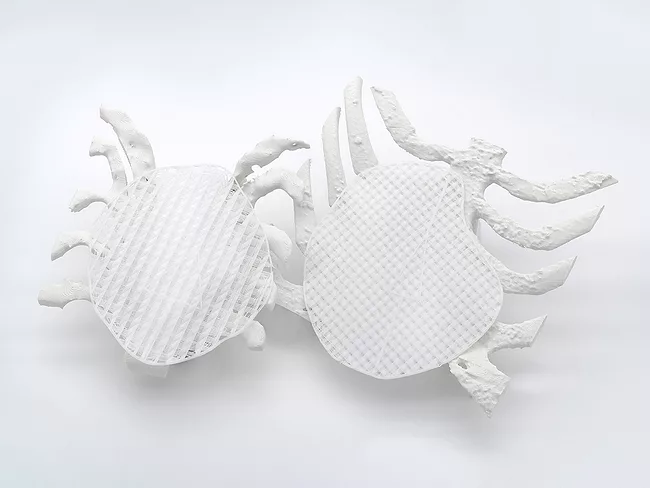
Bellaseno GmbH began recruiting patients in Australia for two clinical trials of its resorbable breast scaffold products on Aug. 4. The company expects to enroll 10 patients with pectus excavatum, a structural deformity of the chest in which the breastbone presses inwards.
South Korea’s Medipost Co. Ltd. is gearing up for phase III trials in the U.S. of its stem cell therapy, Cartistem, an allogeneic human umbilical cord blood-derived mesenchymal stem cell therapy for treatment of knee articular damage in patients with osteoarthritis.
South Korea’s Medipost Co. Ltd. is gearing up for phase III trials in the U.S. of its stem cell therapy, Cartistem, an allogeneic human umbilical cord blood-derived mesenchymal stem cell therapy for treatment of knee articular damage in patients with osteoarthritis.
South Korea’s Medipost Co. Ltd. is gearing up for phase III trials in the U.S. of its stem cell therapy, Cartistem, an allogeneic human umbilical cord blood-derived mesenchymal stem cell therapy for treatment of knee articular damage in patients with osteoarthritis.
Japan’s Ministry of Health, Labor and Welfare has cleared Japan Tissue Engineering Co. Ltd.’s (J-Tec) autologous cultured cartilage, called Jacc, after a seven-year re-examination period. Headquartered in Gamagori, in Japan’s Aichi prefecture, J-Tec was the first company in Japan to receive conditional clearance of regenerative medicine therapies under the new regenerative medicine pathway.