As the flurry of executive orders continues to flow from the White House, leaving in its wake chaos and confusion across the overall health care sector, Tim Opler, managing director of the global health care group at investment firm Stifel, is taking the long view and urging the biopharma sector to continue focusing on innovation.
The prospect of U.S. tariffs on pharmaceuticals became more than just speculation this week, with President Donald Trump saying those tariffs likely would begin at 25% and climb over the year. His comments came in response to a question at a Feb. 18 news conference that followed the signing of two unrelated executive orders. Asked about the planned rate for tariffs on semiconductors and pharmaceuticals, Trump responded that it would be 25% and higher and it would “go very substantially higher over [the] course of a year.”
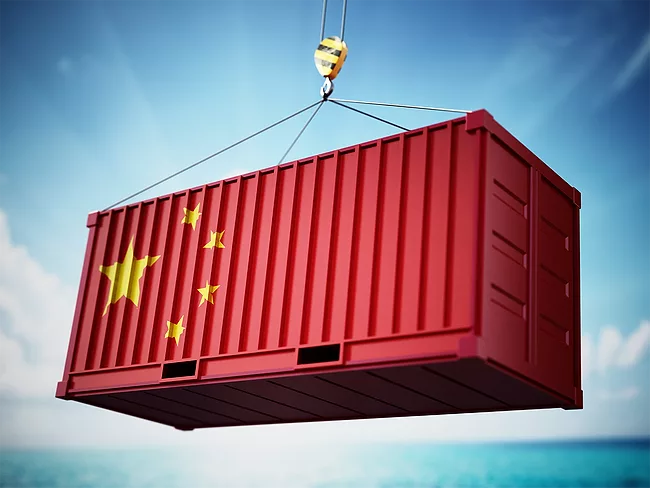
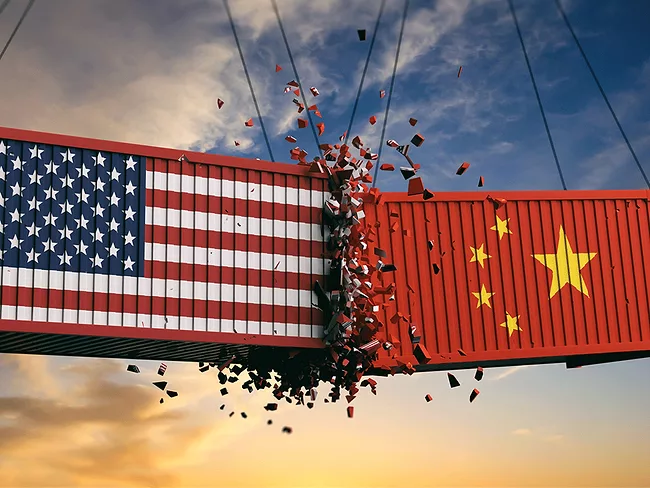
For the pharmaceutical industry caught in the crosshairs of a potential trade war, the consequences of U.S. tariffs on China or Europe remain largely speculative, although both would be detrimental, according to a Korea Biotechnology Industry Organization (KoreaBIO) issue briefing Feb. 7.
For the pharmaceutical industry caught in the crosshairs of a potential trade war, the consequences of U.S. tariffs on China or Europe remain largely speculative, although both would be detrimental, according to a Korea Biotechnology Industry Organization (KoreaBIO) issue briefing Feb. 7.
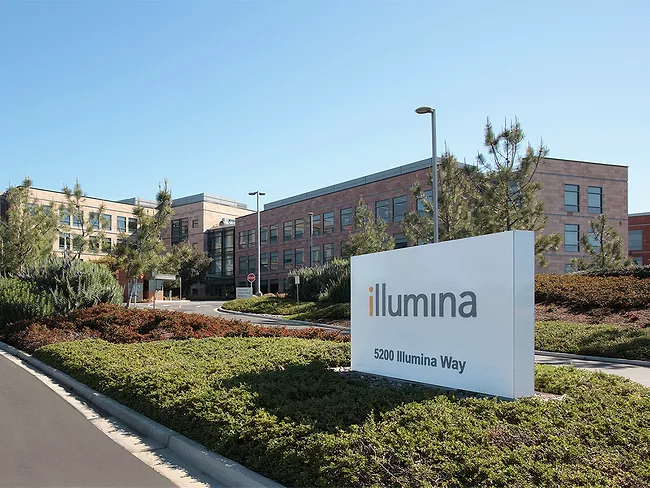
The Chinese government blacklisted several American companies, including gene sequencing-focused biotechnology firm Illumina Inc. and fashion brand PVH Corp., citing threats to China’s “national sovereignty, security and development interests.”
President Donald Trump’s penchant for tariffs as a negotiating tool was on full display when he slapped a 25% tariff on products coming from Mexico and Canada – which may already been suspended in the case of Mexico. The actual impact of the tariffs on med tech is nonetheless tough to gauge due in no small part to the prospect that manufacturers will simply pass on at least part of the tariff to its customers in the U.S.
China has adjusted the tariff lines and rates for 37 medical devices, including surgical robots, in its newly released Import and export tax rules of the PRC (2023).
Tariffs applied to goods imported for China were imposed by the Trump administration as part of a larger effort to reset the U.S. trade deficit, but there were several exclusions for medical devices in the interest of maintaining access.
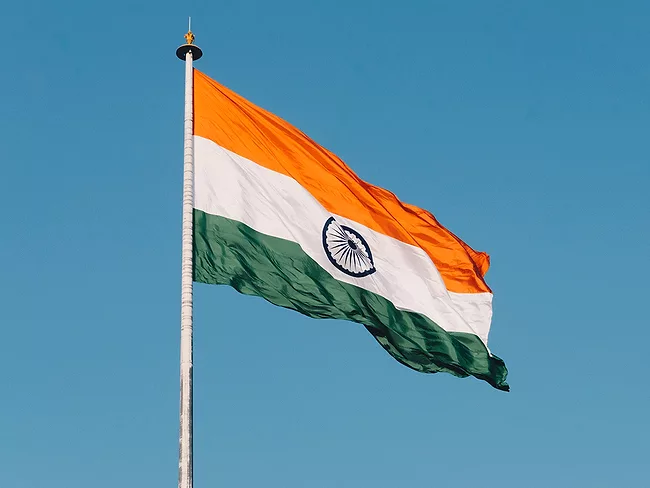
India’s health care industry stakeholders have been left scratching their head as authorities, who have championed self-reliance and increased supplies, provided mixed signals in recent notices.
India’s health care industry stakeholders have been left scratching their head as authorities, who have championed self-reliance and increased supplies, provided mixed signals in recent notices.