The U.K.’s failure to join the dots from discovery research to patient access to innovative drugs was cited repeatedly by pharma leaders, who were called to an emergency hearing in parliament on Tuesday to explain decisions to pull out of promised capital investments.
Uncertainties brought on by tariffs have certainly dampened the optimism in the med tech sector seen at the beginning of the year, as it has slowed M&A and fundraising activity. However, companies developing differentiated products based on solid technology, supported by substantial clinical data, will attract financing and M&A activity will return, Luc Marengère, managing partner at TVM Capital Life Science, told BioWorld.
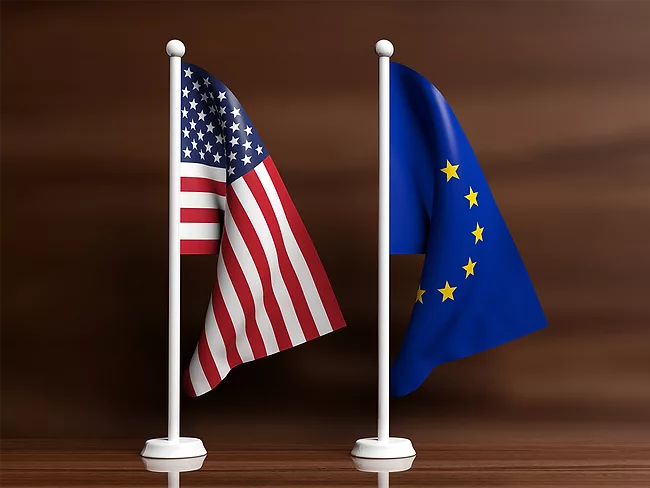
No matter what level of tariff the Trump administration ends up imposing on biopharmaceuticals across the world, drugs and their precursors originating in the EU will face no more than a 15% tariff when imported to the U.S., according to an Aug. 21 EU-U.S. joint statement regarding the trade framework agreement between the two trade partners.
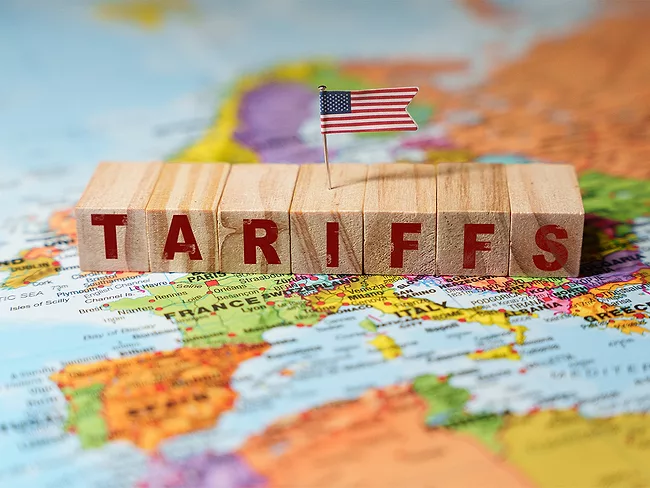
Location, location, location. While location is as important in manufacturing as it is in buying a home, it could become even more so for drug companies when, and if, the global biopharma sector tariff U.S. President Donald Trump continues to tease becomes a reality. In the shadow of the impending tariff, the FDA is working on a draft framework, the two-phase FDA PreCheck, to make it faster and easier for biopharma companies to relocate their manufacturing to the U.S.
While U.S. President Donald Trump’s country-by-country reciprocal and newly negotiated tariffs go into effect today, a separate, global biopharma sector tariff of, possibly, 200% continues to loom over the sector. For many stakeholders, a biopharma sector tariff of even 25%, as first proposed by Trump, would be a disaster in the making, especially when combined with the pressures of Medicare price negotiations and the president’s escalation of most-favored-nation pricing.
While U.S. President Donald Trump’s country-by-country reciprocal and newly negotiated tariffs go into effect today, a separate, global biopharma sector tariff of, possibly, 200% continues to loom over the sector. For many stakeholders, a biopharma sector tariff of even 25%, as first proposed by Trump, would be a disaster in the making, especially when combined with the pressures of Medicare price negotiations and the president’s escalation of most-favored-nation pricing.
Pharmaceutical exports from the EU to the U.S. are facing a leap in tariffs from zero duty to 15%, following the trade deal between EU Commission President Ursula von der Leyen and U.S. President Donald Trump sealed in Scotland July 27.
Johnson & Johnson beat analysts’ expectations for its second quarter results, led by medical device sales of $8.54 billion. All med-tech segments performed better than anticipated, with cardiology reporting exceptionally strong 22.3% growth. In addition, the innovative medicines division shocked the Street with 4.9% growth, despite the loss of patent protection for the blockbuster drug, Stelara.
Johnson & Johnson beat analysts’ expectations for its second quarter results, led by medical device sales of $8.54 billion. All med-tech segments performed better than anticipated, with cardiology reporting exceptionally strong 22.3% growth. In addition, the innovative medicines division shocked the Street with 4.9% growth, despite the loss of patent protection for the blockbuster drug, Stelara.
“Pharmaceuticals will be tariffed, probably at the end of the month,” U.S. President Donald Trump said, as he provided a few more details about his proposed global biopharma sector tariff. “We’re going to start off with a low tariff and give the pharmaceutical companies a year or so to build. And then we’re going to make it a very high tariff.”