Beginning Jan. 1, 2026, China will apply provisional import tariff rates lower than the most-favored-nation rates on 935 items, the State Council announced. The move aims to boost collaboration between domestic and international sectors, and to leverage resources of both to expand the supply of high-quality goods.
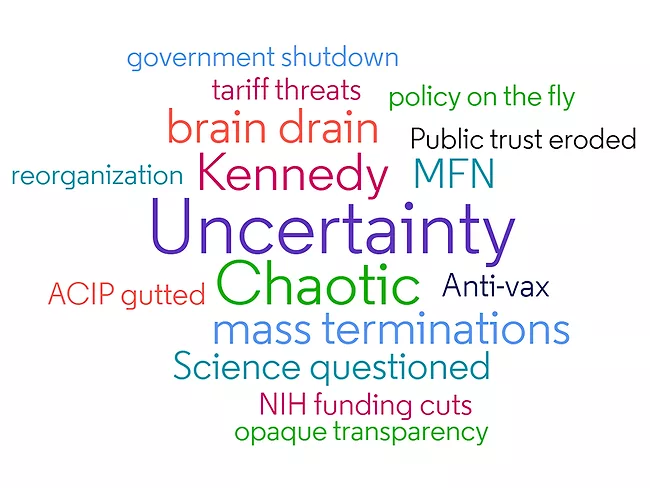
If the 2025 U.S. life sciences regulatory scene were to be summed up in one word, it would have to be uncertainty. Two words might be more definitive – chaotic uncertainty.
U.S. policy, China’s strategic rise, blockbuster deals and AI dominated South Korea’s biotechnology industry this year, with U.S. tariffs and the Biosecure Act’s hitch onto 2026 legislation serving as major topics of speculation.
U.S. policy, China’s strategic rise, blockbuster deals and AI dominated South Korea’s biotechnology industry this year, with U.S. tariffs and the Biosecure Act’s hitch onto 2026 legislation serving as major topics of speculation.
After an all-night negotiating session that concluded after 5 am on Dec. 12, political agreement was finally reached on the long-awaited EU pharmaceutical legislation. The aim of the new rules is to improve patient access and increase the competitiveness of the sector, but for the industry, it was too little too late in terms of the incentives, and potentially damaging in the measures to improve access.
Ireland is taking stock of the implications Trump administration tariffs and drug pricing policies hold for its world-leading biomanufacturing sector, which has been largely built on the back of investment by U.S. pharma companies – and is hugely reliant on exports to the U.S.
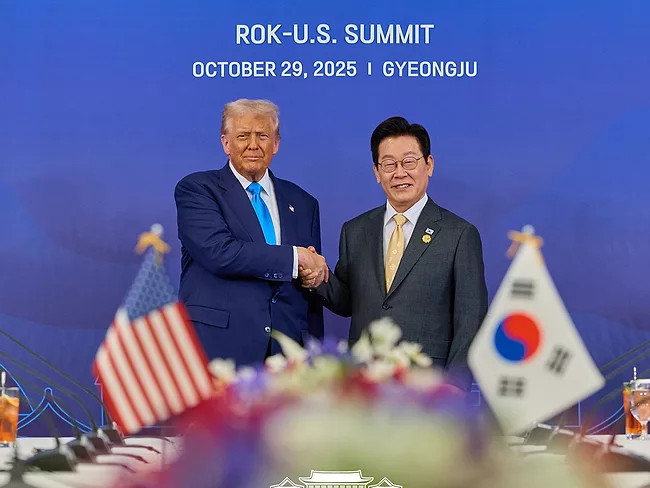
The Korea Biotechnology Industry Organization on Oct. 30 welcomed the bilateral trade deal between the U.S. and South Korea announced during U.S. President Donald Trump’s state visit alongside the Asia-Pacific Economic Cooperation forum in Gyeongju, South Korea.
The Korea Biotechnology Industry Organization on Oct. 30 welcomed the bilateral trade deal between the U.S. and South Korea announced during U.S. President Donald Trump’s state visit alongside the Asia-Pacific Economic Cooperation forum in Gyeongju, South Korea.
The Trump administration’s consideration of a new round of tariffs has prompted two major med-tech trade association to advise the White House to leave medical consumables and medical devices out of any new tariffs, citing concerns about the impact on patient care.
Although U.S. President Donald Trump’s Oct. 1 start date for a hefty biopharma sector tariff has come and gone, the threat remains, serving as both a stick and a carrot to get drug companies to come to the table with their best deals.