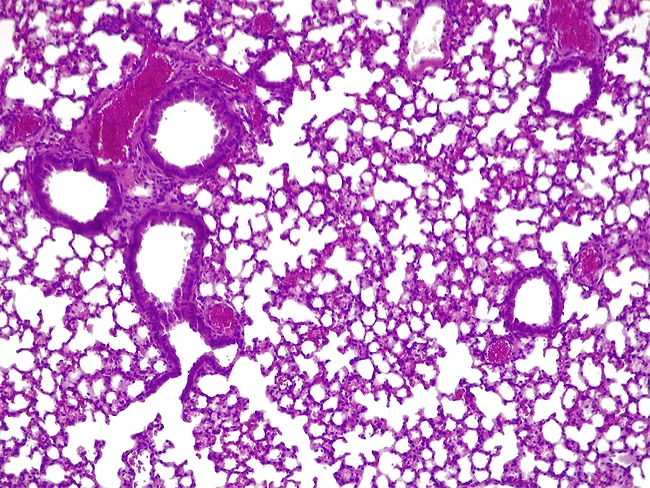
Researchers at the Barcelona Institute of Science and Technology’s Center for Genomic Regulation (CRG) and Pulmobiotics Ltd. have used one bacterium to fight another. In mouse models, the team used engineered Mycoplasma pneumoniae to treat Pseudomonas aeruginosa, the chief culprit in ventilator-associated pneumonia (VAP).
Pulmobiotics Ltd., which was founded in 2019, is developing cell therapy for lung diseases, including lung cancer. But unlike other cell therapies for cancer, this one is based not on harnessing T cells but on engineering bacteria. The team has engineered Mycoplasma pneumoniae to deliver various therapeutic proteins to the lung, depending on the therapeutic indication.
Armata Pharmaceuticals Inc.’s recent $15 million award for a three-year program from the U.S. Department of Defense to partially fund a phase Ib/II study added to the already growing resurgence of notice for phage-based therapeutics, with even big pharma starting to take heed.
In the Dec. 20, 2019, issue of Science, Stefan Kaufmann, who is the founding director of the Max Planck Institute for Infection Biology, and his colleagues report that the immune system could calibrate its response to Pseudomonas aeruginosa by monitoring the bacterial quorum sensing chatter.
“Bacteria often only do harm at certain concentrations,” Stefan Kaufmann told BioWorld. In fact, bacteria have evolved an entire communication system, so-called quorum sensing, to monitor how many of their colleagues are in the vicinity, and then switch from growth to virulence only at high densities.?
Following its phase II stumble of AR-105, Aridis Pharmaceuticals Inc. is dropping its development of the IgG1 monoclonal antibody. The study failed to meet its primary endpoint of showing superiority in clinical cure rates compared to placebo for treating ventilator-associated pneumonia caused by gram-negative Pseudomonas aeruginosa.