Ractigen Therapeutics Co. Ltd.’s small activating RNA (saRNA) therapeutic, RAG-18, has been awarded U.S. orphan drug designation for the treatment of Duchenne muscular dystrophy (DMD) and Becker muscular dystrophy.
With a move into Lilly Gateway Labs in Boston’s Seaport District, privately held Tevard Biosciences Inc. is ramping up development of its transfer RNA (tRNA)-based therapies to cure everything from Dravet syndrome and other neurological conditions to cardiology indications and muscular dystrophies.
With a move into Lilly Gateway Labs in Boston’s Seaport District, privately held Tevard Biosciences Inc. is ramping up development of its transfer RNA (tRNA)-based therapies to cure everything from Dravet syndrome and other neurological conditions to cardiology indications and muscular dystrophies.
Researchers from Royal Children's Hospital, the University of Melbourne and affiliated organizations published data from a study that aimed to investigate the potential of benfotiamine, which is a lipid soluble precursor to thiamine, for the treatment of inflammation related dystrophic pathology in patients with Duchenne muscular dystrophy (DMD).
After receiving Orphan Drug Designation earlier this year, Satellos Bioscience Inc. announced that the FDA has granted Rare Pediatric Disease Designation to SAT-3247 for the potential treatment of Duchenne muscular dystrophy (DMD).
Pepgen Inc. fell slightly short of its phase II dystrophin goal with PGN-EDO51 for patients with Duchenne muscular dystrophy (DMD) whose mutations are amenable to an exon 51-skipping approach, but Wall Street reacted in a big way, sending the Boston-based firm’s stock (NASDAQ:PEPG) down 33%, or $5.55, to close July 31 at $11.43.
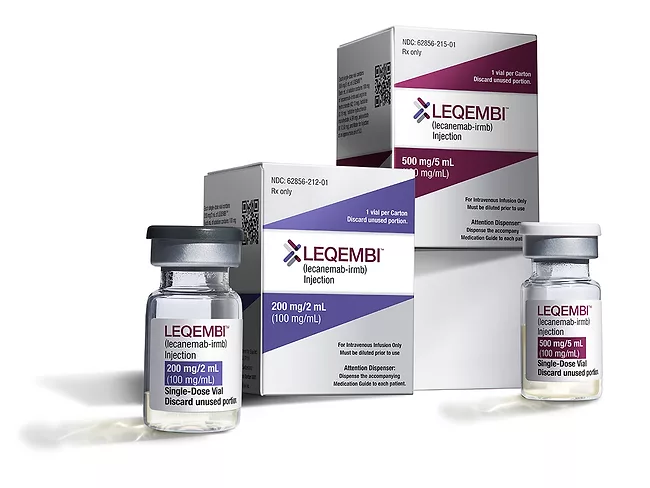
The EMA’s Committee for Medicinal Products for Human Use (CHMP) recommended approval of 14 drugs and the extension of the label of 11 others at its July meeting, but, inevitably, it was the decision to turn down the Alzheimer’s disease therapy Leqembi (lecanemab) that stirred the greatest reaction.
Myogenica Inc., a University of Minnesota startup company, has obtained IND approval from the FDA for Myopaxon, an induced pluripotent stem cell (iPSC)-derived muscle stem cell product to regenerate skeletal muscle. A planned study will evaluate intramuscular injections of Myopaxon in non-ambulatory adult patients with Duchenne muscular dystrophy.
Satellos Bioscience Inc. has submitted a clinical research proposal to a Human Research Ethics Committee (HREC) in Australia seeking regulatory authorization under the Therapeutic Goods Administration (TGA)’s clinical trial notification scheme to conduct a first-in-human phase I trial of SAT-3247.
Two drugs were pushed back by the EMA last week, with a recommendation that Ocaliva, currently the only second line standard of care for treating primary biliary cholangitis, be withdrawn from the market, and a refusal to grant conditional approval for masitinib in the treatment of amyotrophic lateral sclerosis.