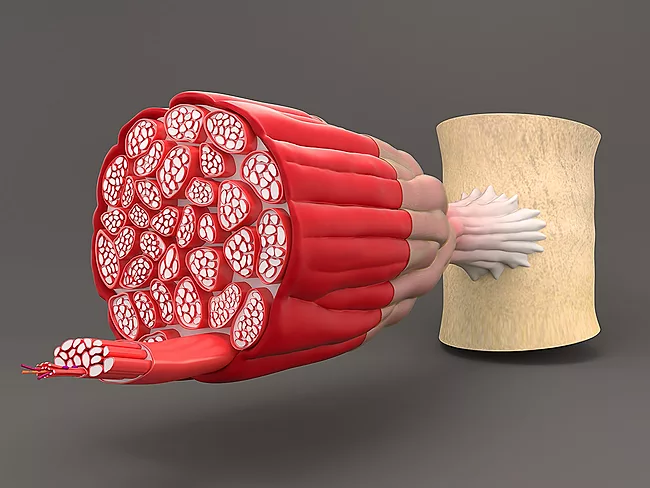
Myogenica Inc., a University of Minnesota startup company, has obtained IND approval from the FDA for Myopaxon, an induced pluripotent stem cell (iPSC)-derived muscle stem cell product to regenerate skeletal muscle. A planned study will evaluate intramuscular injections of Myopaxon in non-ambulatory adult patients with Duchenne muscular dystrophy.
Satellos Bioscience Inc. has submitted a clinical research proposal to a Human Research Ethics Committee (HREC) in Australia seeking regulatory authorization under the Therapeutic Goods Administration (TGA)’s clinical trial notification scheme to conduct a first-in-human phase I trial of SAT-3247.
Two drugs were pushed back by the EMA last week, with a recommendation that Ocaliva, currently the only second line standard of care for treating primary biliary cholangitis, be withdrawn from the market, and a refusal to grant conditional approval for masitinib in the treatment of amyotrophic lateral sclerosis.
Sarepta Therapeutics Inc. CEO Douglas Ingram said he expects “ferocious” demand for gene therapy Elevidys (delandistrogene moxeparvovec), granted full approval by the U.S. FDA for Duchenne muscular dystrophy (DMD). Shares of the Cambridge, Mass.-based firm closed June 21 at $16.72, up $37.22, or about 30% on the news.
The good news for Sarepta Therapeutics Inc. is bad news for Pfizer Inc. as the phase III study of its mini-dystrophin gene therapy in Duchenne muscular dystrophy (DMD) has missed its primary endpoint. Now Sarepta’s Elevidys (delandistrogene moxeparvovec), a single-dose, adeno-associated virus-based gene transfer therapy for DMD, is barreling toward a June 21 PDUFA date with the U.S. FDA as the near competition shrinks in the rearview mirror.
The EMA has been sent back to the drawing board to re-evaluate PTC Therapeutics Inc.’s Duchenne muscular dystrophy therapy Translarna (ataluren), after failing to get the usual rubber stamp following its recommendation in January that the drug’s conditional approval be withdrawn.
Since utrophin compensates for lack of dystrophin in mdx mice, which results in a milder phenotype of muscular dystrophy compared to humans, the mdx/utrn-/- mouse has been developed to mimic early onset of muscle dystrophy, severe muscle weakness and premature death.
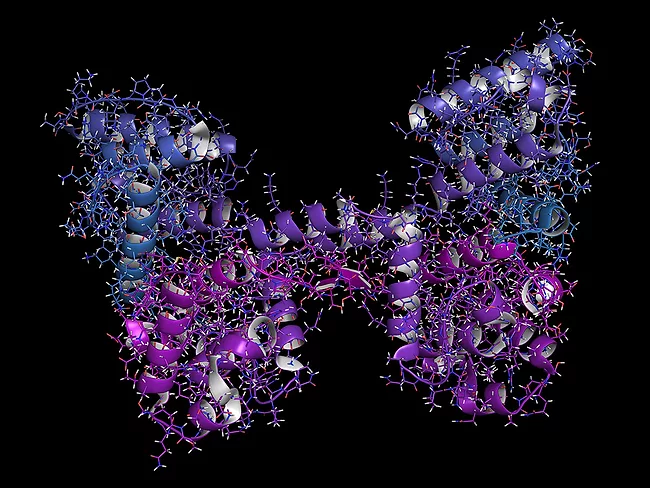
Proof-of-concept murine data demonstrated that delivery of anticodon engineered tRNAs to muscle cells restored production of full-length, native dystrophin.
Shares of Dyne Therapeutics Inc. (NASDAQ:DYN) closed May 20 at $35.38, up $7.70, or 28%, on word of positive data from the phase I/II Achieve trial of DYNE-101 in myotonic dystrophy type 1 (DM1) and the phase I/II Deliver effort with DYNE-251 in Duchenne muscular dystrophy (DMD) who are amenable to exon 51 skipping. CEO John Cox, who joined Waltham, Mass.-based Dyne eight weeks ago, said he “couldn’t be more proud to be part of this team.” Studies are ongoing, but new data with regard to DM1 as well as DMD showed a “compelling” impact, Dyne said, plus satisfying safety profiles.
Kate Therapeutics Inc. recently presented data on a novel muscle- and heart-targeted, liver de-targeted development candidate for the treatment of Duchenne muscular dystrophy (DMD) – KT-809.