Researchers from Sunshine Biopharma Inc. and the University of Arizona reported the discovery and preclinical characterization of MR-1-114, a noncovalent inhibitor of the SARS-CoV-2 papain-like protease (PLpro).
University of Arizona has identified non-structural protein 3 (nsp3; PL-pro) (SARS-CoV-2; COVID-19 virus) inhibitors reported to be useful for the treatment of SARS-CoV-2 infection (COVID-19).
Pulmonary arterial hypertension (PAH) is a condition characterized by high blood pressure in the pulmonary arteries, potentially leading to heart failure. Previous research had found that knockout of Egln1 specific to endothelial cells, which encodes prolyl 4-hydroxylase-2, led to spontaneous PAH development.
At the BioFuture 2024 conference held in New York in November, Seema Kumar, the CEO of Cure, described women’s health as something that has been directed at the “bikini area.” That “bikini” bias extended to both diseases and their causes – women’s health covered the breasts and reproductive system, and its causes were hormonal. Both concepts are far too narrow.
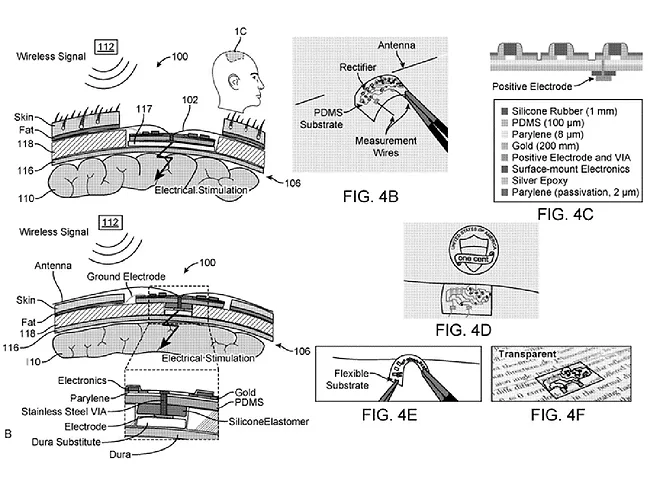
Researchers from Arizona State University and Mayo Clinic have filed for protection of wireless, battery-free brain implants which may be used in the monitoring, stimulation, and treatment of epilepsy, tumors, neurodegenerative disorders, neuroinflammatory conditions and trauma.
Researchers at Rheinisch-Westfaelische Technische Hochschule Aachen University and University of Arizona have synthesized proteolysis targeting chimera (PROTAC) compounds comprising an E3 ubiquitin ligase binding moiety covalently linked to a DYRK1A and/or DYRK1B and/or DYRK2 and/or DYRK3 and/or CLK1 and/or CLK2 and/or CLK3 and/or CLK4 and/or HASPIN targeting moiety through a linker reported to be useful for the treatment of cancer, viral infection, diabetes, inflammatory disorders, Alzheimer’s, Parkinson’s, Huntington’s and autoimmune diseases, among others.
Researchers from the University of Illinois at Chicago and University of Arizona presented the discovery and preclinical evaluation of a novel BD1-selective BET inhibitor, XL-126, being developed as a potential anti-inflammatory agent.
Novel nicotinamide phosphoribosyltransferase (NAMPT) positive allosteric modulators (N-PAMs) have been discovered and evaluated by University of Illinois and University of Arizona investigators.
Researchers at University of Arizona and University of Dundee have disclosed dual-specificity tyrosine-(Y)-phosphorylation regulated kinase 1A (DYRK1A) inhibitors reported to be useful for the treatment of cancer, diabetes, osteoarthritis, Down syndrome, inflammatory disorder, autoimmune and Alzheimer’s disease.
Researchers from the University of Arizona presented the discovery of first-in-class dual-specificity tyrosine phosphorylation-regulated kinase 1A/B (DYRK1A/B) proteolysis targeting chimeras (PROTACs) as potential Alzheimer’s disease (AD) therapeutic candidates.