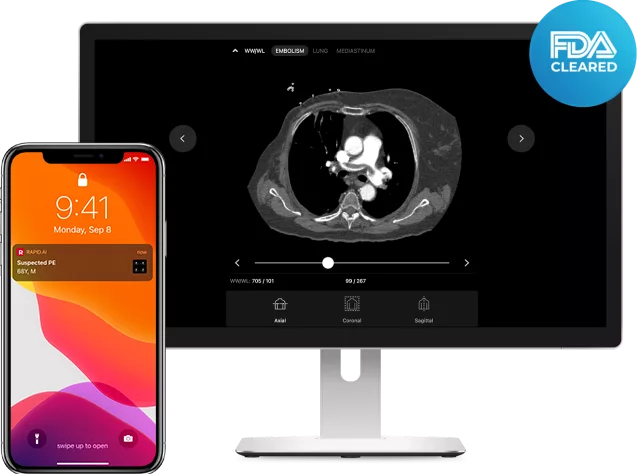
The transformation of cardiology continues with two U.S. FDA actions to promote the use of artificial intelligence (AI): a 510(k) clearance for Rapidai Inc.’s pulmonary embolism (PE) triage and notification product and breakthrough device designation for Anumana Inc.’s pulmonary hypertension (PH) early detection algorithm.
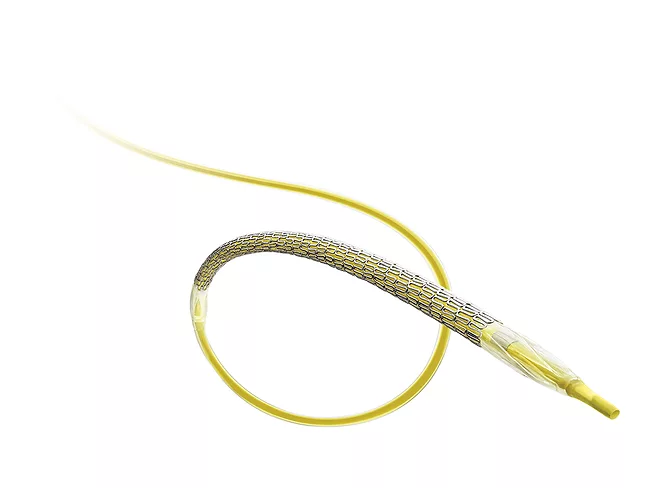
Medtronic plc received FDA premarket approval for its Onyx Frontier drug-eluting stent, an update to the company’s Resolute Onyx stent. The Frontier is designed for treatment of patients with coronary artery disease (CAD), a leading cause of death in the U.S. Medtronic expects the stent to receive CE mark shortly.
Eko Devices Inc. launched a redesigned app and smart stethoscope system to detect heart disease during a regular physical, potentially reducing the time to diagnosis and treatment for America’s number one killer. The system incorporates artificial intelligence (AI) to identify heart murmurs and atrial fibrillation with performance the company says is on par with cardiologists.
Intervene Inc. received breakthrough device designation from the FDA for its treatment for chronic venous insufficiency (CVI), Blueleaf endovenous valve formation system, which makes new venous valves in the leg using the patient’s own vein tissue. The catheter-based system splits and stretches the vein wall to create a new leaflet. In a recently published study, 14 patients underwent the procedure, of which 13 successfully had at least one new valve created. No patients experienced adverse events during the procedure and no deep venous thromboses developed through a one-year follow up period.
Two studies presented at the 33rd Transcatheter Cardiovascular Therapeutics (TCT) conference directly compared Boston Scientific Corp.’s Watchman 2.5 and Watchman Flx to Abbott Laboratories’ Amplatzer Amulet device. Both showed Amulet had less than half as many leaks, but the clinical impact of the lower rate remained unclear.
LONDON – Industry groups, patients’ representatives and clinicians have launched the European Alliance for Cardiovascular Health (EACH) to lobby for a comprehensive EU policy to address the increasing burden of cardiovascular disease.
The FDA's Endocrinologic and Metabolic Drugs Advisory Committee (EMDAC) unanimously concluded Thursday that Amarin Corp. plc provided sufficient evidence of efficacy and safety to support approval of fish oil-based Vascepa (icosapent ethyl) for an indication to reduce the risk of cardiovascular (CV) events in adults with elevated triglyceride levels (≥135 mg/dL) and other risk factors for CV disease. The 16-0 vote followed a day's discussion about potential effects of mineral oil, about the proper age population and the value of labeling. EMDAC's conclusion is only an advisory, as the FDA makes the final decision. FDA representatives at the panel discussion noted the study provided convincing data and waived off most concerns about mineral oil's impact on LDL cholesterol levels and blood pressure.