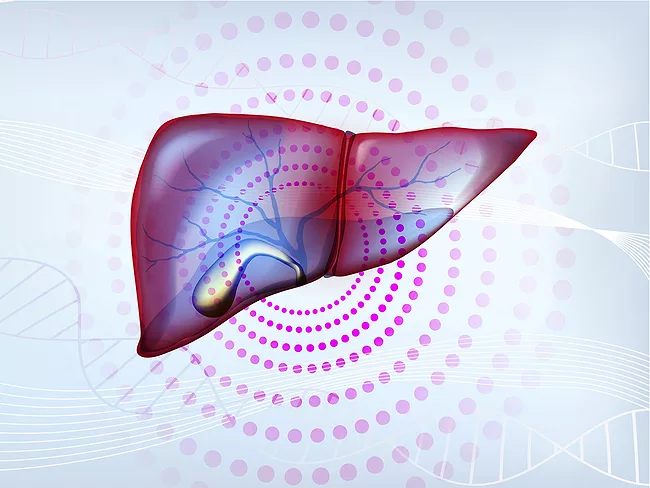
With a historic WHO resolution adopted this week giving countries, for the first time, a mandate to address liver disease affecting 1.5 billion people worldwide, this momentum is strongly reflected at the ongoing European Association for the Study of the Liver 2026 congress in Barcelona. The mandate positions liver disease alongside cancer, cardiovascular disease and diabetes as a core global health priority.
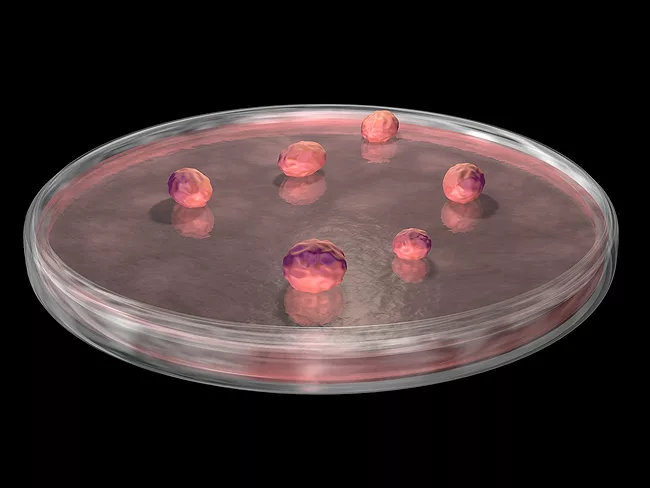
The variety of organoids that can be developed in vitro is enabling major advances. Depending on the type of tissues and the research goals, these small 3D cell-based structures that mimic real tissue offer certain advantages over animal models. Scientists at the University of Padova in Italy have created human neuromuscular organoids to reproduce cancer-induced muscle cachexia, a condition that murine models do not accurately replicate.
The pressure to replace animal testing with human-relevant assays that are more predictive of human-drug responses has now reached a tipping point, and there is a movement toward greater acceptance of these potentially more translatable tests.
The range of effects caused by rhinoviruses – the pathogens responsible for the common cold – motivated scientists at Yale University to study the human nasal epithelium and uncover a previously undescribed defense mechanism. The interferon-mediated protective response in these cells can limit infection, whereas a maladaptive response tends to worsen it. Based on these findings, the researchers have identified potential therapeutic targets to reduce inflammation associated with rhinovirus infection.
Investigators at the Netherlands Hubrecht Institute have developed a novel gut organoid model, and used it to gain insight into the functions on human microfold (M) cells. Their experiments, which were published in the Dec. 10, 2025, issue of Nature, showed that M cells present gluten-derived antigens to T cells, which suggests a role for this cell type in the onset of celiac disease.
Investigators at the Netherlands Hubrecht Institute have developed a novel gut organoid model, and used it to gain insight into the functions on human microfold (M) cells. Their experiments, which were published in the Dec. 10, 2025, issue of Nature, showed that M cells present gluten-derived antigens to T cells, which suggests a role for this cell type in the onset of celiac disease.
Signet Therapeutics founder Haisheng Zhang is betting on organoids and AI to outsmart diffuse gastric cancer and the limits of traditional “clean” drug design.
The U.K. government has published a road map for phasing out animal testing in life sciences research and announced £75 million (US$98.6 million) for work to develop nonanimal models, leaving scientists concerned because they say, in many cases, there can never be meaningful alternatives to using live animals.
Signet Therapeutics founder Haisheng Zhang is betting on organoids and AI to outsmart diffuse gastric cancer and the limits of traditional “clean” drug design.
The U.K. government has published a road map for phasing out animal testing in life sciences research and announced £75 million (US$98.6 million) for work to develop nonanimal models, leaving scientists concerned because they say, in many cases, there can never be meaningful alternatives to using live animals.