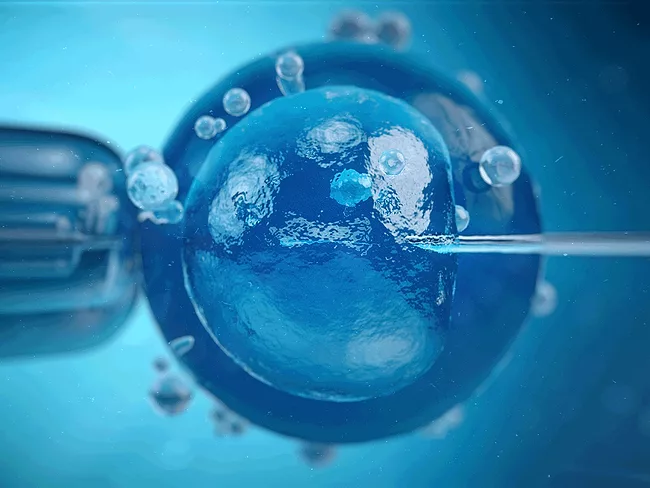
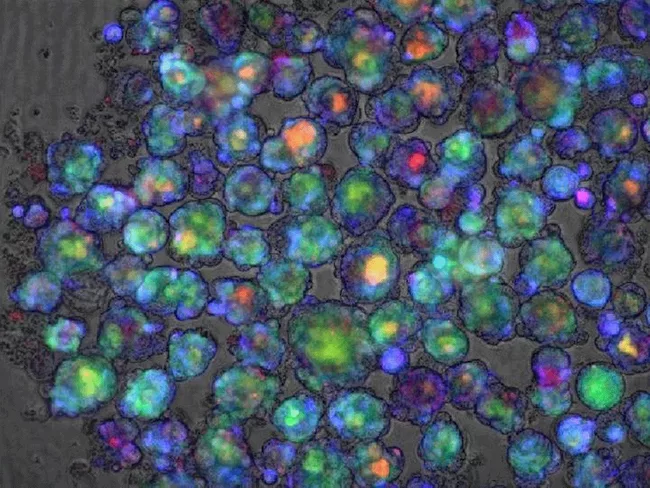
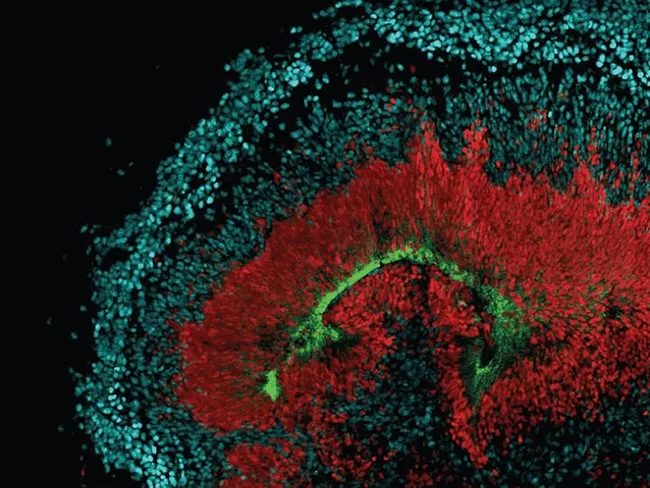
LONDON – The alchemy of induced pluripotent cells has broken another barrier, delivering a model of the earliest preimplantation stages of human development, when fertilized eggs form a blastocyst.
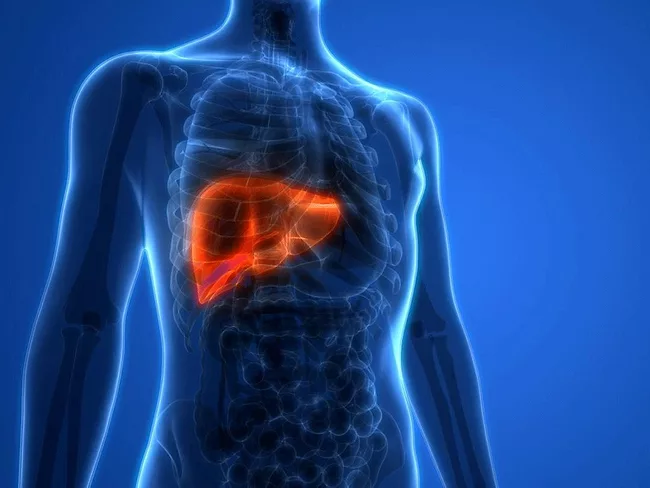
Organoids grown from cholangiocytes – the epithelial cells of the bile duct – are poised to be used in ex vivo cell therapy to increase the number of donated livers that are suitable for transplant, and also for direct bile duct repairs. The organoids have been shown to be effective in correcting defects in mouse models and in perfused donated livers. They are now being tested in large animal models.
Organoids grown from cholangiocytes – the epithelial cells of the bile duct – are poised to be used in ex vivo cell therapy to increase the number of donated livers that are suitable for transplant, and also for direct bile duct repairs.
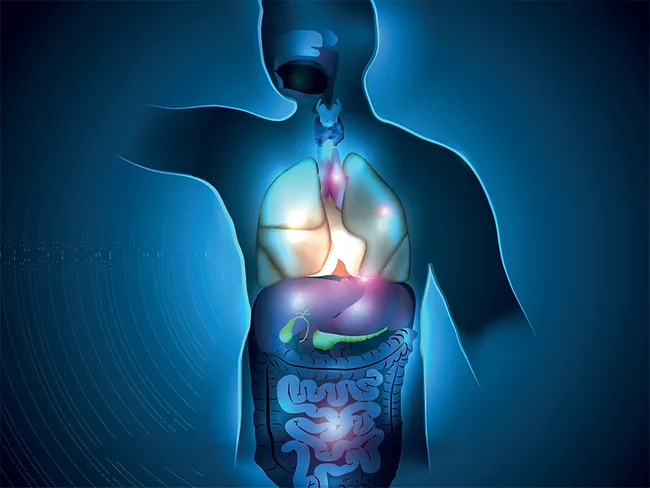
Researchers at Hannover Medical School have developed an organoid that mimicked the early codevelopment of the heart with liver, lung and blood vessels.
Japanese researchers have developed a new organoid biobank with which to identify molecular subtypes of rare gastroentero-pancreatic neuroendocrine neoplasms using genotype-phenotype mapping, they reported in the November 6, 2020, online edition of Cell.
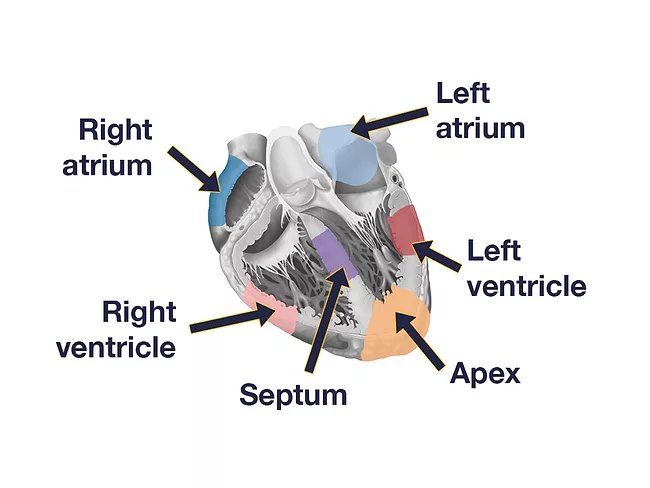
Scientists long have puzzled over what goes wrong in people with cardiovascular disease. Now, they have created a cellular and molecular map of the healthy human heart, with an eye toward preventing some of the 17.9 million deaths from cardiovascular disease that occur each year.
According to the National Institute of Diabetes and Digestive and Kidney Diseases (NIDDK), drug-induced liver injury (DILI) is the leading cause of acute liver failure in the U.S. It is also a leading cause of drug failure in clinical trials. Now, researchers have used liver organoids to develop a polygenic risk score that could predict the risk of liver toxicity for multiple different drugs, regardless of the underlying mechanism.
Technical challenges at the annual meeting of the International Society for Stem Cell Research (ISSCR) meeting led to at least one lively exchange of stem cell jokes in the chat box as the audience waited for talks to resume, including stem cell parental advice: “You can be anything you want when you grow up!”
Proteona Pte. Ltd. has formed a couple of significant partnerships recently, including a Germany-Singapore partnership for a drug screening and discovery platform using single cell multi-omics analysis and an alliance to develop antibodies against coronaviruses.
HONG KONG – Singapore-based Proteona Pte. Ltd. has formed a couple of significant partnerships recently, including a Germany-Singapore partnership to develop a drug screening and discovery platform using single cell multi-omics analysis for patient-derived micro-tumors, and an international alliance to develop antibodies against coronaviruses.