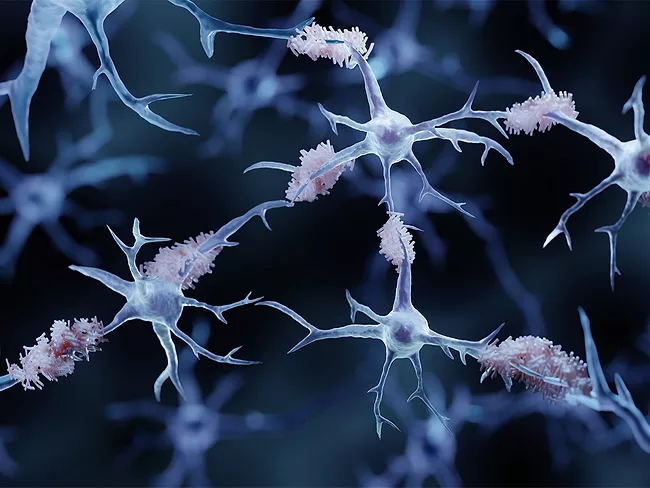
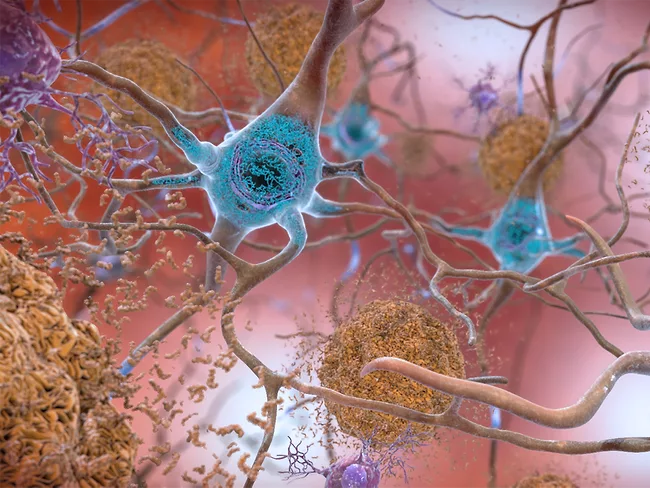
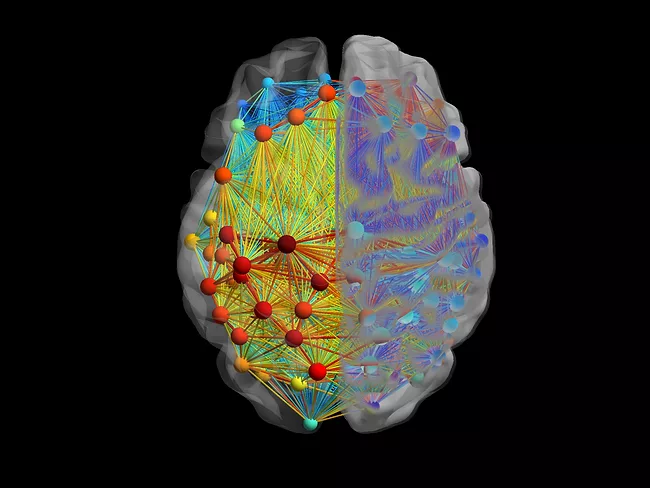
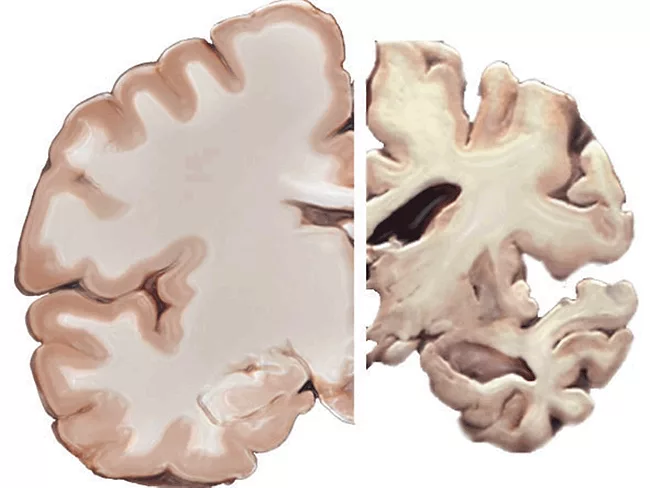
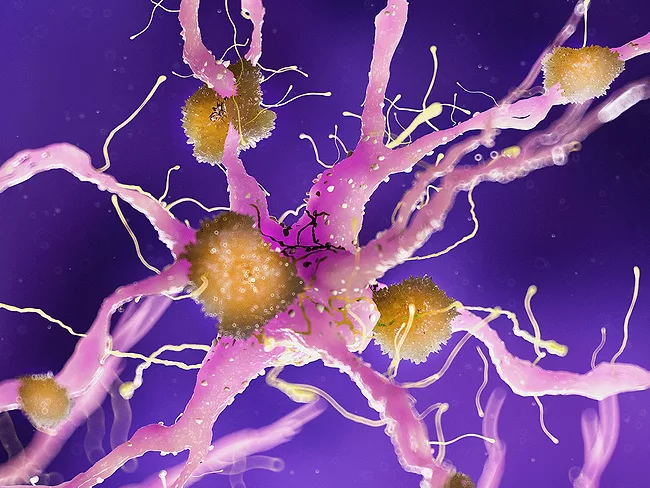
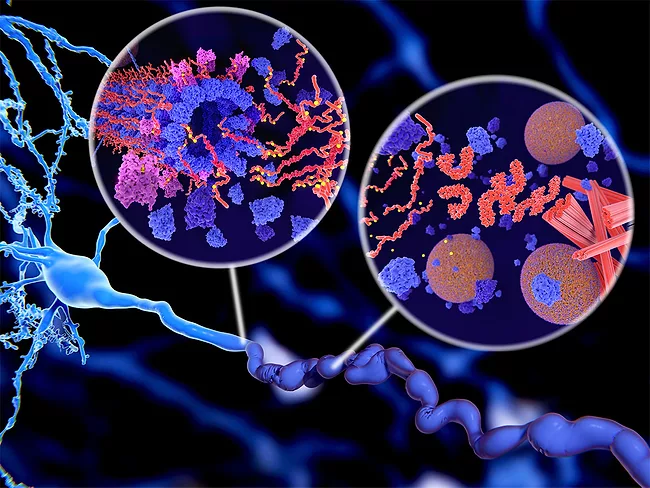
After decades of trying and dozens of failed trials, amyloid targeting has paid off with the first disease-modifying agents reaching the market. But success does not mean slam dunk. Aduhelm (aducanumab, Biogen Inc.) was dogged by controversy throughout its brief tenure, and Biogen pulled the plug on it in early 2024. Leqembi (lecanemab, Biogen Inc.) has received full approval. In this second installment of a three-part series on Alzheimer’s, BioWorld looks at the nuanced view of amyloid’s role in the disease.
Separate teams of investigators have reported new insights into how the brain disposes of metabolic waste via the glia-based lymphatic system, or glymph system. In two papers published in Nature on Feb. 28, 2024, scientists from Washington University in St. Louis described how in sleeping animals, the synchronized activity of neurons drove ionic gradients that facilitated the movement of fluid through brain tissue. And researchers from the Massachusetts Institute of Technology showed that, in a mouse model of Alzheimer’s disease (AD), the glymphatic system mediated clearance of amyloid-β after sensory stimulation at a 40-Hertz rhythm.
The advent of FDA-approved therapies for Alzheimer’s disease has had some downstream regulatory effects, including that the Centers for Medicare & Medicaid Services recently announced it will eliminate the coverage with evidence development (CED) requirement for PET imaging for beta amyloid imaging for Alzheimer's disease.
2021 was the year Aduhelm (aducanumab, Biogen Inc.) was approved as the first amyloid-β-busting drug for Alzheimer’s disease. And in 2022, there was as much need for an effective AD drug as ever. Aduhelm’s commercial fate was sealed with the decision of the Center for Medicare & Medicaid Services (CMS) that the drug would only be reimbursed in clinical trials approved by the CMS or the NIH.
Researchers have identified a link between amyloid plaques and dysfunctional neuronal conduction in animal models of Alzheimer’s disease (AD). Their study, which was published in the Dec. 1, 2022, issue of Nature, suggests new ways to think about AD, as well as badly needed potential alternatives to plaque removal to fight the disease.
Researchers at the University of Cincinnati have published data showing that in patients with dominantly inherited Alzheimer’s disease-causing mutations, high levels of soluble amyloid-β42 (Aβ42) in the cerebrospinal fluid predicted a reduced risk of developing dementia over three years.
A fusion protein removed beta-amyloid plaque without producing the neurotoxic inflammation associated with other treatments, such as aducanumab immunotherapy. It is based on the alphaA Beta-Gas6 fusion protein developed in a mouse model of Alzheimer's disease by a team of researchers at The Korea Advanced Institute of Science and Technology in South Korea.
Single-cell gene studies at Duke-NUS Medical School in Singapore and Monash University in Melbourne, Australia, have shown that gene expression signatures underlie the microglial phagocytosis of beta-amyloid (Abeta) plaque in patients with Alzheimer's disease (AD), the authors reported in the May 20, 2021, edition of Nature Communications.
An international collaborative study led by scientists at Sweden’s Lund University has classified Alzheimer’s disease into four distinct subtypes, which has important implications for the management of the progressive neurodegenerative disease, the authors reported in the April 29, 2021, edition of Nature Medicine.
Amyloid and tau proteins are both involved in the disease pathology of Alzheimer’s disease. The diagnostic and treatment research focus has long been on amyloid, which has proven almost entirely fruitless after decades of effort. But tau is becoming better understood, as investigational tau imaging agents offer the ability to visualize its presence in the brain.