Insilico Medicine Cayman Topco has nominated ISM-0387, an MTA-cooperative protein arginine methyltransferase 5 (PRMT5) inhibitor, as a preclinical developmental candidate for glioblastoma. The discovery and optimization process for ISM-0387 was powered by Chemistry42, Insilico’s generative chemistry platform integrated with over 40 generative AI models.
Previous work showed that neurogenic transcriptional factors, such as NeuroD1 and Neurogenin 2, and small-molecule cocktails can reprogram glioma cells into neuron-like cells while also suppressing their proliferative and invasive phenotypes.
Researchers at the University of Edinburgh are pioneering a cancer therapy that destroys tumors from within while reawakening the immune system, using synthetic super-enhancers (SSEs) to drive targeted killing and durable protection against recurrence. The work builds on a decade of research focused on how glioblastoma stem cells (GSCs) sustain their aggressive cancer identity.
In a small Houston clinic, more than a decade ago, patients with advanced cancer were receiving treatments that used radioactive molecules to seek out tumors and destroy them from within using an approach that would eventually help reshape oncology.
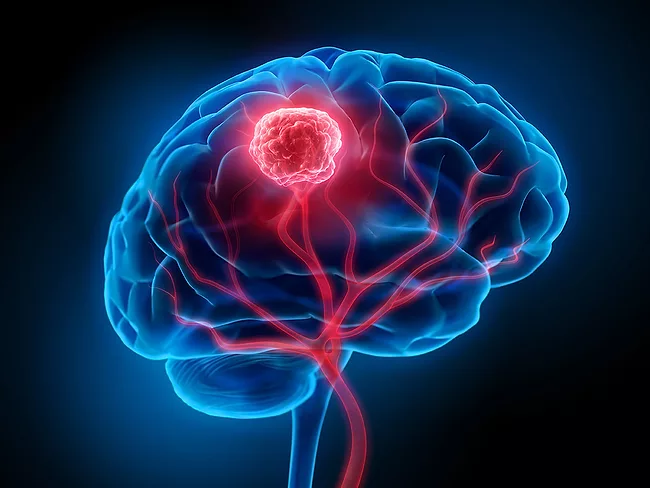
Glioblastoma multiforme (GBM) is an aggressive and highly invasive intracranial tumor arising from the malignant transformation of brain and spinal cord cells. To date, surgery followed by adjuvant chemotherapy is the standard therapy for treating GBM, where temozolomide is the only first-line FDA-approved drug for GBM treatment. The aim of this study from Shenzhen University was to test the effect of a novel chloroethyl nitrosourea analog, HJ-03, in the treatment of GBM, which might overcome temozolomide resistance.
Sprint Bioscience AB has announced positive results from a preclinical proof-of-concept (POC) study performed within the company’s VRK1 program that showed that VRK1 inhibition selectively kills glioblastoma cells with low VRK2 levels, while cells with normal VRK2 levels are not affected.
In a recent study published in Molecular Therapy: Oncology, researchers from the City of Hope National Medical Center and Beckman Research Institute (USA) and collaborators aimed to identify differentially expressed genetic pathways in glioblastoma multiforme (GBM) tumor cells after 48 hours of hypoxia treatment by performing RNA sequencing.
A recent study assessed the applicability of McERV-pseudotyped lentiviral vector particles (McERV-PTLVs) to target cancer cells of glial or neuronal origin.
Beactica Therapeutics AB, together with researchers at KU Leuven, has been awarded a €2.5 million (US$3.0 million) grant by the European Innovation Council (EIC) to advance BEA-17, a precision immune therapy for glioblastoma.
QC-6352 is a small molecule developed to inhibit the histone demethylase 4 (KDM4) that has shown potent antitumoral activity and which has a derivative named zavondemstat that is being tested in clinical trials. Researchers from Australia recently demonstrated the antiproliferative activity of QC-6352 in glioblastoma models is independent of KDM4 blockade.