Novaccess Global Inc. has signed a letter of intent and formed a partnership with BCN Biosciences LLC to expand its immunotherapy platform. Utilizing BCN’s small-molecule drug BCN-057, Novaccess Global has begun the development of a fourth generation of its novel brain tumor immunotherapy TLR-AD-1, targeting glioblastoma.
Novel therapeutic strategies are urgently needed to treat glioblastoma, the most aggressive type of primary brain tumor frequently associated with poor survival.
Glioblastoma is a particularly aggressive form of brain cancer characterized by rapid infiltration into surrounding brain tissue, especially in areas of increased neuronal activity. Neurons and nerve fibers have recently been identified as vital components of the tumor microenvironment that favor the initiation and progression of a variety of solid tumors, including gliomas. Researchers have gained new insights into the molecular mechanisms driving glioblastoma infiltration and identified subtypes of neurons that serve as the substrate for driving tumor progression.
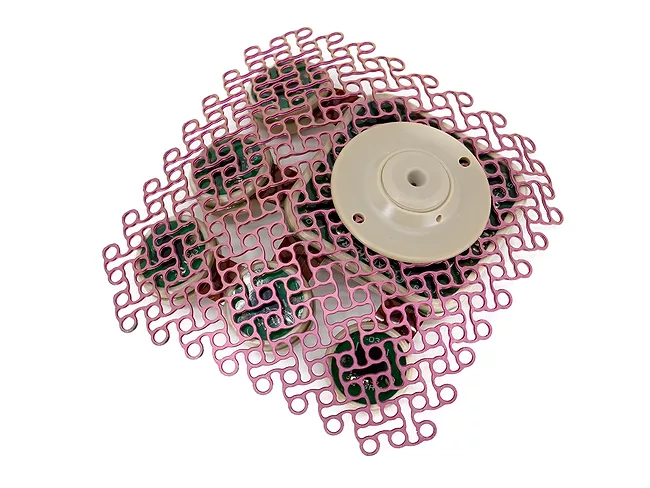
Carthera SA raised €37.5 million (US$40 million) in a series B funding round that will allow the company to embark on the first pivotal trial of its Sonocloud technology. The Sonocloud-9 is the only implantable ultrasound device that can repeatedly open the blood-brain barrier and deliver effective treatment in patients with recurrent glioblastoma, Frédéric Sottilini, CEO of Carthera, told BioWorld.
Lantern Pharma Inc. has received IND clearance from the FDA for LP-184, which is being developed for advanced solid tumors and central nervous system (CNS) cancers.
Mesenchymal glioblastoma, a phenotype associated with poor clinical outcomes, is characterized by the expression of CD44 and chitinase 3-like protein 1 (CHI3L1) in mesenchymal glioma stem cells (GSCs). CHI3L1 has been implicated in several oncogenic pathways driving mesenchymal differentiation. However, the role of CHI3L1 as a paracrine modulator of GSC states, as well as the transcriptional regulatory network induced by CHI3L1 in GSCs, remains unknown.
Glioblastoma multiforme (GBM) is an aggressive brain cancer with poor prognosis and survival. TNF-related apoptosis-inducing ligand (TRAIL) is a protein that induces apoptosis in cancer cells by binding death receptors type 4 and 5. Researchers at the University of North Carolina explored using hiNeuroS-TRAIL combined with the ClpP activator TR-107 as a potential treatment.
Researchers based at Uppsala University in Sweden have created an adeno-associated viral (AAV) vector treatment for glioma or glioblastoma that extended survival in a mouse model of the brain cancer. Writing in the May 11, 2023, issue of Cancer Cell, the researchers reported that by introducing an inflammatory protein known as LIGHT to the tumor microenvironment using the AAV treatment, the mice were better able to fight the cancer.
In the March 2023 issue of Science Immunology, researchers working at the City of Hope National Medical Center reported on the discovery the mechanisms by which the spliced X-box–binding protein 1 (XBP1s) served essential functions in the IL-15-dependent survival of natural killer (NK) cells. Since XBP1s is known to play critical roles in MHCII expression, the unfolded protein stress response, and ultimately tumorigenesis, the study provided deep insights into the understanding of NK cell biology with translational potential.