Be’er Sheva, Israel-based Dia Imaging Analysis Ltd. has partnered with technology conglomerate Intel Corp. to accelerate the analyzing time of its artificial intelligence (AI)-based cardiac ultrasound software. Dia said Intel’s Open Vino toolkit will optimize the processing time of its Lvivo Seamless solution by over 40%.
Newstem Ltd. filed a presubmission to the U.S. FDA for a de novo request and an in vitro diagnostic device with the EMA for its Newstem software diagnostic device (NSDD). The bioinformatics-based platform is a personalized diagnostic to inform oncologists about the presence of mutations in tumors and predict a patients’ resistance to chemotherapy treatments. The technology utilizes specialized stem cells (haploid cells) that carry just one set of chromosomes.
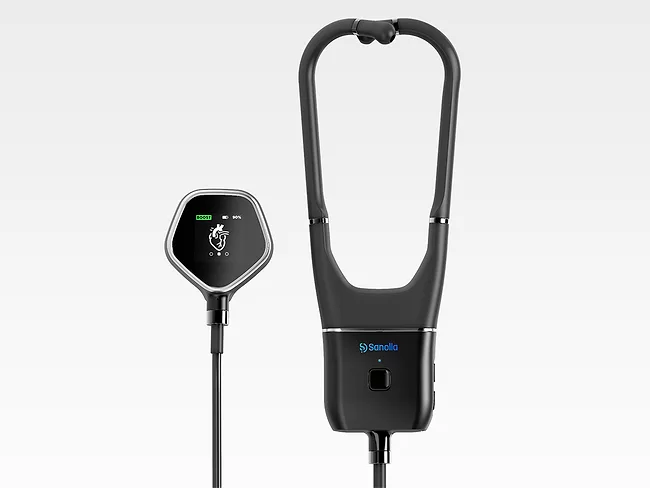
Israeli startup Sanolla Ltd. won U.S. FDA 510(k) clearance for its smart-infrasound stethoscope Voqx. The artificial intelligence (AI)-based device is the first stethoscope cleared by the U.S. FDA to detect infrasound and audible information to identify clinical conditions. The auscultation capabilities are designed to support early assessment of cardiopulmonary conditions.
Pangea Biomed Ltd. picked up $7 million in seed financing to fast-track development of its multicancer, multitherapy response predictor Enlight. The platform combines machine learning and RNA sequencing to map tumor molecular signatures and predict how different cancer types will respond to oncology drugs. Pangea said instead of using transcriptomic data, it is utilizing ‘unsupervised’ AI techniques that harvest information about gene interactions.
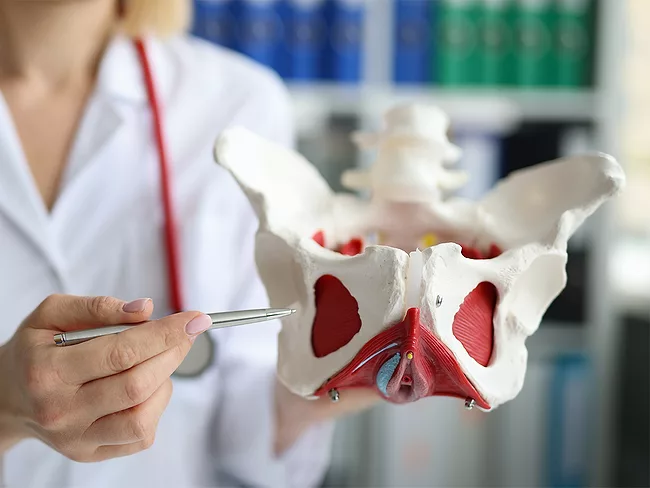
The U.S. FDA has given the green light to a pelvic organ prolapse (POP) repair device developed by Misgav, Israel-based Escala Medical Ltd. The mesh-free, non-surgical repair system is designed to anchor sutures to ligaments of the pelvic floor in an incision-free procedure. Escala, which is a portfolio company of Israeli government franchised incubator Trendlines Group Ltd., believes the device will help the 1 in 5 women in the U.S. affected by POP.
Cvaid Medical Ltd. secured $4 million in a series A financing to further develop its mobile stroke diagnostic, monitoring and treatment platform. The Israeli Rad Biomed investment fund led the round with participation from Philips Ventures and Sanara Capital. As part of the financing, a representative from Philips will join the board. The smartphone-based system, Cvaid uses artificial intelligence to process and analyze video and voice recordings to identify and assess the severity of patients experiencing stroke, also called cerebrovascular accidents.
Collplant Biotechnologies Ltd. has signed a collaboration agreement with 3D bioprinting company Cellink AB for future commercial production of regenerative breast implants. Rehovot, Israel-based Collplant has developed prototypes of 3D bioprinted implants and is evaluating them in preclinical studies. The regenerative implants are designed to degrade over time and be replaced by new, naturally grown breast tissue. The technology aims to overcome the challenges of existing breast procedures that use silicone implants or autologous fat tissue transfer.
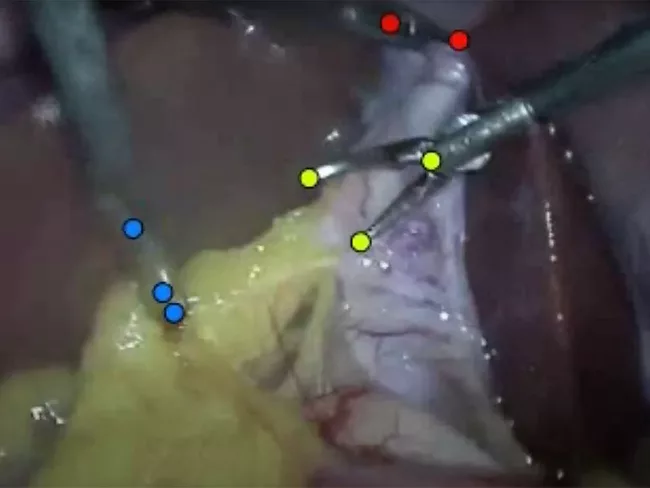
Israel and U.S.-based Rsip Vision Ltd. has released a new supporting technology for intraoperative video analysis. The company says its offering provides real-time and accurate anatomical measurements in surgical videos. This supports a variety of clinical use cases, such as bariatric surgery and small bowel resection.
A new artificial intelligence (AI)-powered drug discovery startup, Protai Bio, has emerged from stealth mode following an $8 million seed round led by Grove Ventures and Pitango Healthtech that will see the new company develop a platform to accelerate drug discovery.
The need to develop advanced medical technologies is ever increasing, and one incubator is on a mission to identify the world’s most promising opportunities. In cooperation with partners including Israel Innovation Authority, Israeli incubator Medx Xelerator LP is expanding a portfolio of startups that are attacking some of health care’s biggest challenges.