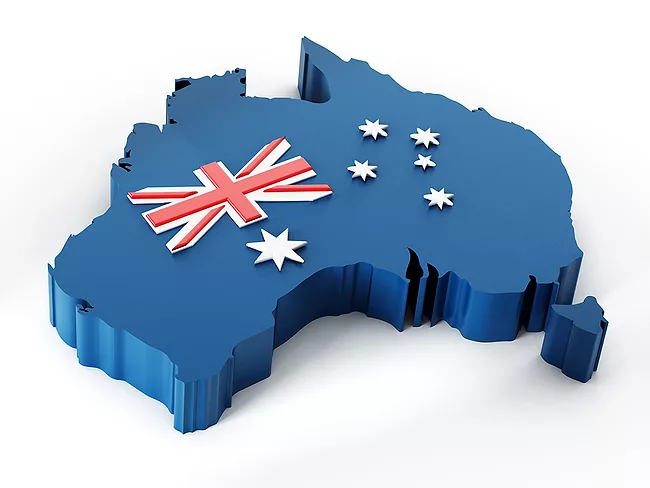
PERTH, Australia – Six classes of medical devices listed on Australia’s Register of Therapeutic Goods (ARTG) will fall under new classification requirements on Nov. 25, 2021, following numerous consultations with industry. The consultations were part of the Australian government’s plans to overhaul its medical device regulations to be more in line with the European Medical Device Regulation (MDR).
PARIS – One month before the Medical Device Regulation (MDR) comes into force in the EU, the European Association of Notified Bodies (Team-NB) has released the results of its latest annual survey. This survey of CE-marked medical devices compiled data from 26 notified bodies who were members of Team-NB at the end of 2020. According to Team-NB’s 2020 survey, a total of 18,784 valid CE certificates had been issued by last year, representing an increase of 35% over 2010.
The well-known overhaul of the European Union’s (EU) med-tech regulatory system was already a massive lift before the events of 2020, but the three-year transition period begins in 90 days with a large overhang of issues. Among these is that the ISO 14971 risk management standard is not recognized in the EU, and Adrian Keene, director of EU services for North American Science Associates Inc., said on a Feb. 25 webinar that “anything manufacturers can do to smooth the pathway” for device certification and recertification “is worth considering.”
LONDON – Long-awaited guidance on the EU regulation for in vitro diagnostics (IVD) that comes into force in May 2022 arrived as the industry increased its calls for implementation to be postponed, citing the extent to which the COVID-19 pandemic has derailed work on bringing products into compliance with the new rules.
According to the Swiss association for medical technology companies, Swiss Medtech, introducing the new European regulations for medical devices (MDR) and in vitro diagnostics (IVDR) is going to have serious consequences for the sector in Switzerland. This Swiss trade association has just published its biannual survey as part of the 2020 sector study on the Swiss medical technology industry (SMTI).
PERTH, Australia – Australia’s Therapeutic Goods Administration (TGA) is pushing back implementation dates for numerous medical device reforms due to delays caused by the COVID-19 pandemic.
PERTH, Australia – The majority of stakeholders support the Therapeutic Goods Administration’s (TGA) proposal to restructure Australia’s device essential principles to align with the requirements under the new EU Medical Device Regulations (EU MDR), but there was little support to align with the International Medical Device Regulators Forum (IMDRF) essential principles and principles of labeling.
The implementation date for the EU’s new med-tech regulatory framework has been pushed back a year, giving device makers much-needed breathing room for compliance work. At the same time, the International Organization for Standardization (ISO) has not fulfilled the planned May update of its device clinical investigations standard, ISO 14155.
LONDON – The European Parliament gave its full backing to the emergency measure to delay the Medical Device Regulation (MDR), voting by 693 to 1 in favor of postponing implementation from May 26 this year, to May 26, 2021. The delay will “allow health authorities and manufacturers alike to prioritize the fight against the coronavirus pandemic” by keeping existing procedures in place, the parliament said in a statement.
LONDON – The European Commission has published new guidelines on cybersecurity for medical devices, putting flesh on the bones of the requirements in the Medical Device Regulation (MDR) that comes into force in May.