The canonical Wnt signaling pathway participates in synapse function and stability, and previous research confirmed its impairment in Alzheimer's disease (AD).
It’s the season for reevaluation as companies weed out programs that don’t offer much promise. At the head of the line is Sanofi SA’s once-potential myasthenia gravis blockbuster tolebrutinib. A partial clinical hold on the phase III study is part of the reasoning for stopping its development. But so is competition, the company said. Other companies eliminating development programs include Roche Holding AG, Gilead Sciences Inc., AB Science SA and Merck & Co. Inc.
Biogen Inc. and C4 Therapeutics Inc. have patented proteolysis targeting chimera (PROTAC) compounds comprising an E3 ubiquitin ligase-binding moiety coupled to interleukin-1 receptor-associated kinase 4 (IRAK-4)-targeting moiety through a linker acting as IRAK-4 degradation inducers reported to be useful for the treatment of cancer, inflammation, autoimmune and metabolic diseases, Alzheimer's disease, Parkinson's disease, amyotrophic lateral sclerosis and multiple sclerosis, among others.
A genome-wide association study (GWAS) from The University of Queensland has linked blood cell traits (BCTs) and neurological and psychiatric disorders (NPDs), providing a tool to improve patient treatments or repurposing different drugs. The researchers also found a cause-effect relationship between Parkinson's and platelet distribution width. In their study, published Jan. 25, 2023, in Cell Genomics, the scientists observed the genetic overlap between common NPDs and 29 BCTs, including functional genes, regulatory elements and new genetic correlations linked to hematological data and for these diseases.
Eli Lilly and Co.’s complete response letter (CRL) from the U.S. FDA relating to accelerated approval of Alzheimer’s disease (AD) candidate donanemab set off a round of speculation regarding not only what the move might mean for the pharma giant but also for others in the embattled therapeutic space and beyond. The answer, if you believe analysts: not much.
Insilico Medicine Inc. has divulged β-lactam derivatives acting as glutaminyl-peptide cyclotransferase-like protein (QPCTL) inhibitors reported to be useful for the treatment of cancer, Alzheimer's diseases, atherosclerosis, chronic kidney disease, infertility, ischemia-reperfusion injury, schizophrenia and Zollinger-Ellison syndrome, among others.
Looking ahead to potential commercialization of its late-stage tau PET imaging agent, Aprinoia Therapeutics Inc. has chosen to go public via a merger with special purpose acquisition company (SPAC) Ross Acquisition Corp. II in a deal that has an equity value of $280 million. The funding is aimed at getting candidate 18F-APN-1607 to the market in China.
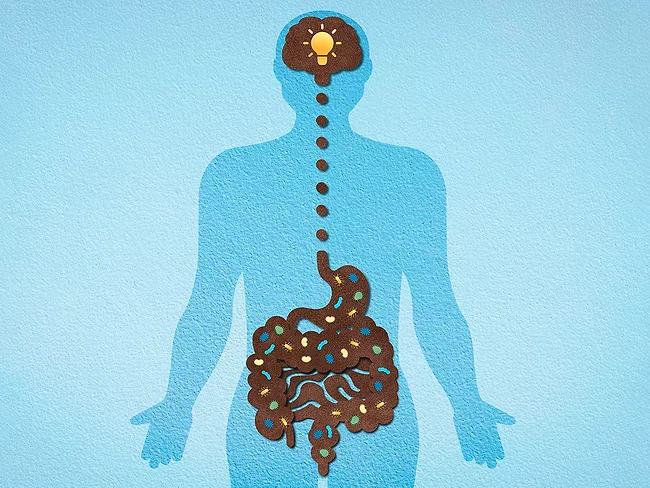
A study in a mouse model of tau protein build-up in the brain, similar to that seen in later stage Alzheimer’s disease (AD), shows that changes to the microbiome in these animals can impact the degree and progression of neurodegeneration observed. As reported in the Jan. 12, 2023, study published in Science, the researchers found that mice that were germ free and those given antibiotics to change their gut microbiome early in life had significant reductions in brain atrophy compared with those with a standard microbiome.
Celgene Corp. has disclosed sphingosine 1-phosphate receptor 5 (S1PR5; EDG8) modulators reported to be useful for the treatment of Alzheimer's disease and multiple sclerosis.