The TMEM43 gene encodes a transmembrane protein that is associated with connexin-linked function in cochlear glia-like supporting cells (GLSs), and mutations in this gene have been recently associated with hearing loss (HL).
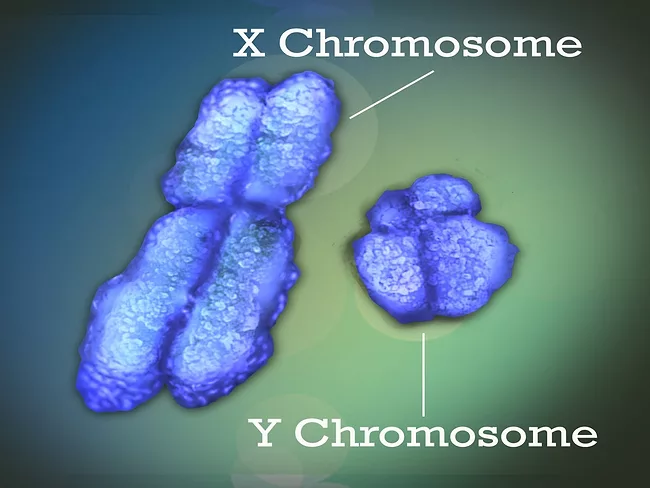
Israeli researchers have created cell lines, using cells donated by an individual with Klinefelter syndrome, that had different combinations of sex chromosomes but were otherwise isogenic. As reported in Stem Cell Reports on Nov. 24, 2022, lead investigator Benjamin Reubinoff, a clinician and professor in obstetrics and gynecology at Hadassah Hebrew University in Jerusalem, and team used cells donated from a mosaic Klinefelter syndrome patient to create the cell-based model. Patients with Klinefelter syndrome appear male, but have an extra X chromosome.
Eterna Therapeutics Inc. has entered into a sponsored research agreement with a collaborator at The University of Texas MD Anderson Cancer Center (MD Anderson).
Neukio Biotherapeutics Co. Ltd. has raised $50 million to support preclinical validation and clinical development of new cell therapies for cancer. The series A-1 round was led by CD Capital, Beijing Alwin Asset Management Co. Ltd. and Surplus Capital, with contributions from previous investors Lilly Asia Ventures, Sherpa Healthcare Partners Co. Ltd., and IDG Capital.
Japan’s Healios K.K. is in discussions with Japan’s Pharmaceutical and Medical Devices Agenc about the regulatory path forward for its Multistem somatic stem cell products, for which it conducted phase II/III trials in ischemic stroke and a phase II trial in acute respiratory distress syndrome.
Japan’s Healios K.K. is in discussions with Japan’s Pharmaceutical and Medical Devices Agenc about the regulatory path forward for its Multistem somatic stem cell products, for which it conducted phase II/III trials in ischemic stroke and a phase II trial in acute respiratory distress syndrome.
Evotec AG and Sernova Corp. are joining forces in a bid to develop a functional cure for type 1 diabetes. The companies plan to file an IND early in 2024 for a combined cell therapy and medical device product comprising Evotec’s human beta cells, derived from the company’s induced pluripotent stem cell platform, and Sernova’s Cell Pouch delivery system, which provides transplanted cells with a vascularized, physiologically appropriate environment that enables them to secrete insulin and other hormones involved in regulating blood glucose levels.
Modulation of a single amino acid in the reprogramming factor Kruppel-like factor 4 (KLF4) has been demonstrated to markedly improve natural transcription factor function and to result in faster and more effective reprogramming of somatic cells into induced pluripotent stem cells.
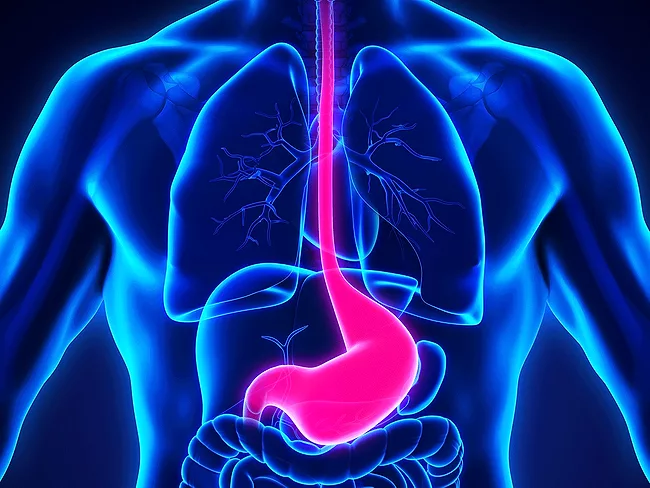
A group of scientists at the Cincinnati Children's Hospital has used separate lines of human induced pluripotent stem cells to create stomach organoids with a three-layered structure and gastric function such as smooth muscle contraction and glandular secretion. The team reported its results in the December 2021, issue of Cell Stem Cell.