The identification of non-toxic targets for the treatment of metabolic disorders would allow the development of therapies for the harmful effects of impaired metabolism of reactive aldehydes, among others, which is challenging for drug development due to short half-life and lack of tissue specificity.
A Scandiedge Therapeutics AB patent details compounds targeting pyruvate kinase PKLR reported to be useful for the treatment of metabolic dysfunction-associated steatohepatitis (MASH) and hepatocellular carcinoma.
Researchers at Centre Hospitalier Universitaire de Grenoble Alpes, Centre National de la Recherche Scientifique, Commissariat à l’Energie Atomique, Institut National de la Santé et de la Recherche Médicale, Université Grenoble Alpes and Université Libre de Bruxelles have synthesized calix[4]arene compounds reported to be useful for treatment of cancer, metastatic cancer, and bacterial, viral, fungal and parasitic infections.
Aligos Therapeutics Inc. has described programmed cell death 1 (PDCD1; PD-1; CD279)/PD-1 ligand 1 (PD-L1; CD274) interaction inhibitors reported to be useful for the treatment of liver cancer (hepatocellular carcinoma) and hepatitis B.
Researchers from Changzhi Medical College and affiliated organizations presented the discovery of DYC-1, a novel dual-target inhibitor of dual-specificity tyrosine phosphorylation-regulated kinase 2 (DYRK2) and histone deacetylase 8 (HDAC8), being developed for the treatment of hepatocellular carcinoma (HCC).
Transposable elements (TEs) are DNA sequences involved in the epigenetic regulation of tumors. KDM1A is an epigenetic regulator overexpressed in liver cancer that suppresses the methylation of histone H3 Lys4 (H3K4) in liver-TEs and as a result, HNF4A expression is silenced and hepatocellular carcinoma (HCC) growth is promoted.
Resistance to sorafenib treatment is becoming more common in hepatocellular carcinoma (HCC). Iron is a crucial metal in the mitochondria and is used for synthesis of cofactors that are essential for the correct functioning and cell proliferation.
The first development candidate has been nominated under a collaboration between Carisma Therapeutics Inc. and Moderna Inc. to discover, develop and commercialize in vivo engineered chimeric antigen receptor monocytes and macrophages (CAR-M) therapeutics for the treatment of cancer.
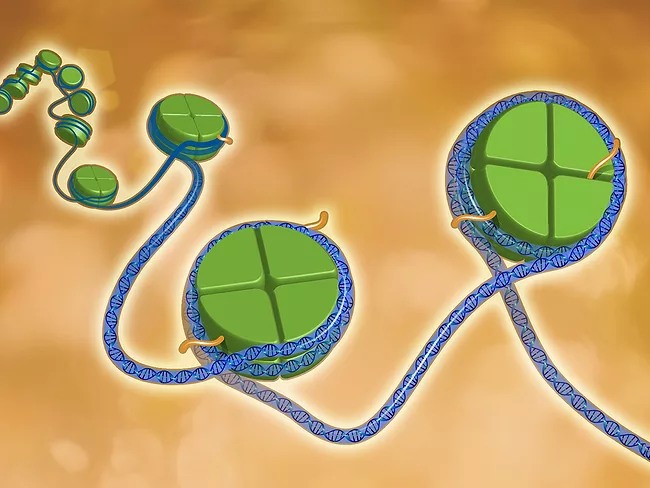
Throughout the 2024 annual congress of the European Association for the Study of the Liver (EASL), held in Milan last week, almost all basic tracks included some reference to epigenetics, or changes to the chromatin that affect how accessible a gene is to the transcription machinery.