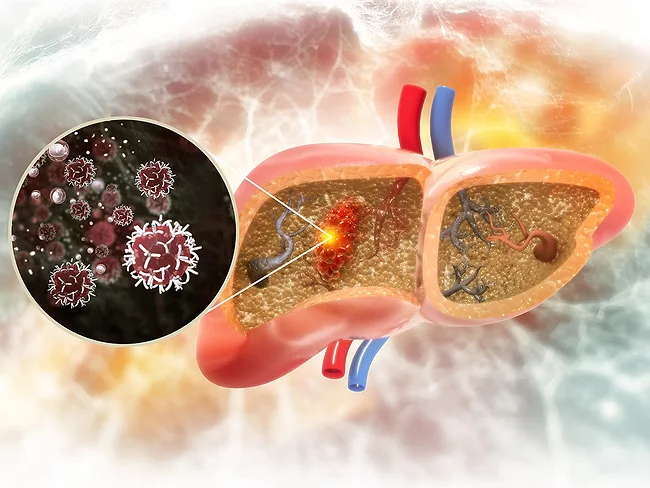
Though immune checkpoint inhibitors have improved the outcomes of patients with hepatocellular carcinoma (HCC), the response rates remain limited. At the annual meeting of the American Association for the Study of Liver Diseases, researchers highlighted N-lysine methyltransferase SMYD2 as an oncogenic protein overexpressed in several tumor types.
Tempest Therapeutics Inc. entered definitive agreements approved by its board to acquire certain dual-targeting CAR T programs from Factor Bioscience Inc. and its affiliates in an all-stock transaction expected to close in early 2026.
In an isomerization reaction, uridine is modified to pseudouridine, the most abundant RNA modification which presents an extra hydrogen bond donor, altering the RNA structure and providing unique chemical properties.
Trogenix Ltd. has completed its series A financing, raising £70 million ($95 million) to support progression into the clinic of its pipeline of potentially curative cancer therapies across multiple aggressive solid tumors.
A recently published study in the Journal for Immunotherapy of Cancer presents a novel bispecific antibody-cytokine fusion protein that effectively enhances antitumor immunity.
Aligos Therapeutics Inc. has patented programmed cell death 1 (PDCD1; PD-1; CD279) and/or PD-1 ligand 1 (PD-L1; CD274) and/or PD-1/PD-L1 interaction inhibitors reported to be useful for the treatment of liver cancer (hepatocellular carcinoma) and hepatitis B.
Aligos Therapeutics Inc. has identified programmed cell death 1 (PDCD1; PD-1; CD279)/PD-1 ligand 1 (PD-L1; CD274) interaction inhibitors reported to be useful for the treatment of liver cancer (hepatocellular carcinoma) and hepatitis B (HBV).
The TCF4/β-catenin axis is a key driver of tumor growth, where β-catenin has remained resistant to therapy and is traditionally considered an undruggable protein. At the ACS Fall 2025 meeting, Parabilis Medicines Inc. divulged results of work on hyperstabilized α-helical peptides named helicons that directly bind to β-catenin and block its interaction with TCF transcription factors such as TCF4, as well as inhibit the Wnt signaling pathway.
Heat shock protein family H member 1 (HSPH1) plays a key role in cellular stress and protein homeostasis, and it has been implicated in proliferation, invasion and metastasis of tumor cells. A recent study aimed to investigate the link between HSPH1 and the prognosis of HCC.