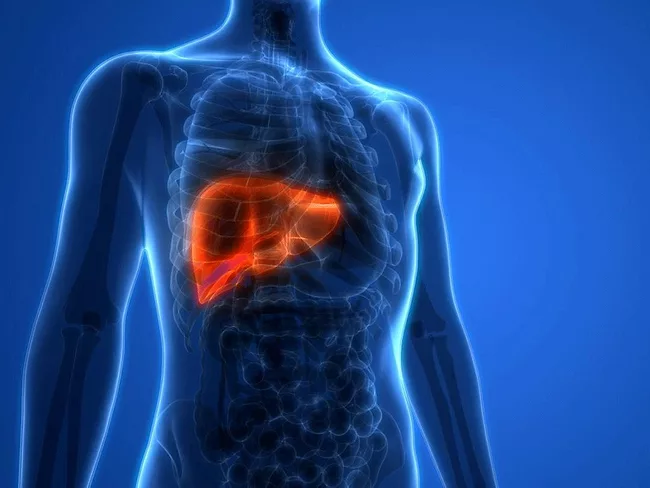
GPC3 is an oncofetal antigen highly expressed in hepatocellular carcinoma (HCC) but minimally expressed in adult normal tissues, except the placenta. Cytovia Therapeutics Inc. has presented preclinical data on CYT-303, a bispecific natural killer (NK) engager targeting NK cell-activating receptor NKp46 and GPC3 expressed in tumor cells.
Beigene Ltd.’s tislelizumab met its primary endpoint of noninferior overall survival vs. sorafenib as a first-line treatment in hepatocellular carcinoma (HCC), marking the eighth positive phase III trial readout for the anti-PD-1 drug across multiple cancer types and lines of therapy.
Beigene Ltd.’s tislelizumab met its primary endpoint of noninferior overall survival vs. sorafenib as a first-line treatment in hepatocellular carcinoma (HCC), marking the eighth positive phase III trial readout for the anti-PD-1 drug across multiple cancer types and lines of therapy.
Oricell Therapeutics Co. Ltd. has raised $120 million in a series B financing to support development of its cell therapy pipeline and technology platform, as well as the construction of a manufacturing plant. The round was jointly led by Qiming Venture Partners and Quan Capital Management LLC.
Oricell Therapeutics Co. Ltd. has raised $120 million in a series B financing to support development of its cell therapy pipeline and technology platform, as well as the construction of a manufacturing plant. The round was jointly led by Qiming Venture Partners and Quan Capital Management LLC.
A new assay developed by Metadeq Inc. may be bringing the days of the invasive liver biopsy for non-malignant conditions to a close. The company’s liquid biopsy successfully used the presence of two proteins in blood to identify and stage non-alcoholic steatohepatitis (NASH) and liver fibrosis in a study published in Gut.
Research led by the University of Texas Southwestern Medical Center reveals a protein signature that can reliably predict whether patients with nonalcoholic fatty liver disease (NAFLD) are likely to develop hepatocellular carcinoma, the most common form of liver cancer.
Glympse Bio Inc.’s diagnostic platform has demonstrated the ability to detect hepatocellular carcinoma (HCC) in blood, offering a non-invasive method for diagnosing the disease much earlier and more reliably than current approaches. The platform uses biosensors and machine learning to measure protease activity in plasma samples. Details of studies demonstrating the system’s accuracy in HCC will be presented at the International Liver Conference 2022 in London.
LONDON – Engitix Therapeutics Ltd. has raised $54 million in a series A round to advance early programs arising from its human extracellular matrix (ECM) target discovery platform towards the clinic with the support of new partner and equity investor Dompé Farmaceutici SpA.
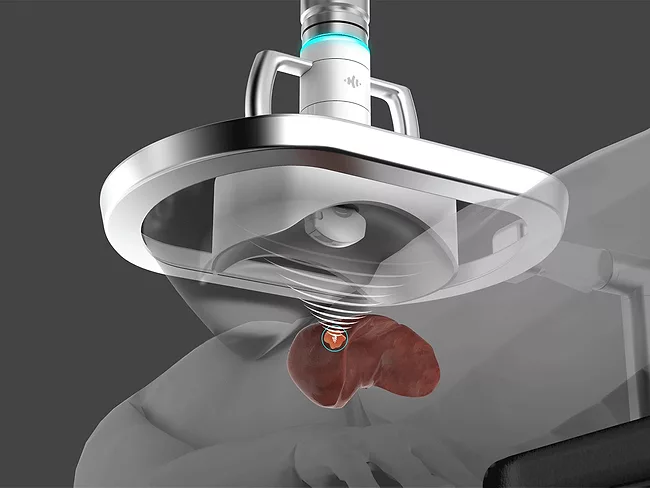
The FDA granted breakthrough device designation to Histosonics Inc. for the first system to harnesses microbubbles created by pulsed ultrasound waves to wreak very targeted cellular destruction, with real-time visualization and control. The therapy, called histotripsy, destroys tissue in the liver without heat, radiation or surgery. The technology was developed at the University of Michigan.